Golf
Inverness Club: How a Donald Ross Classic Climbed Back Onto the World Stage
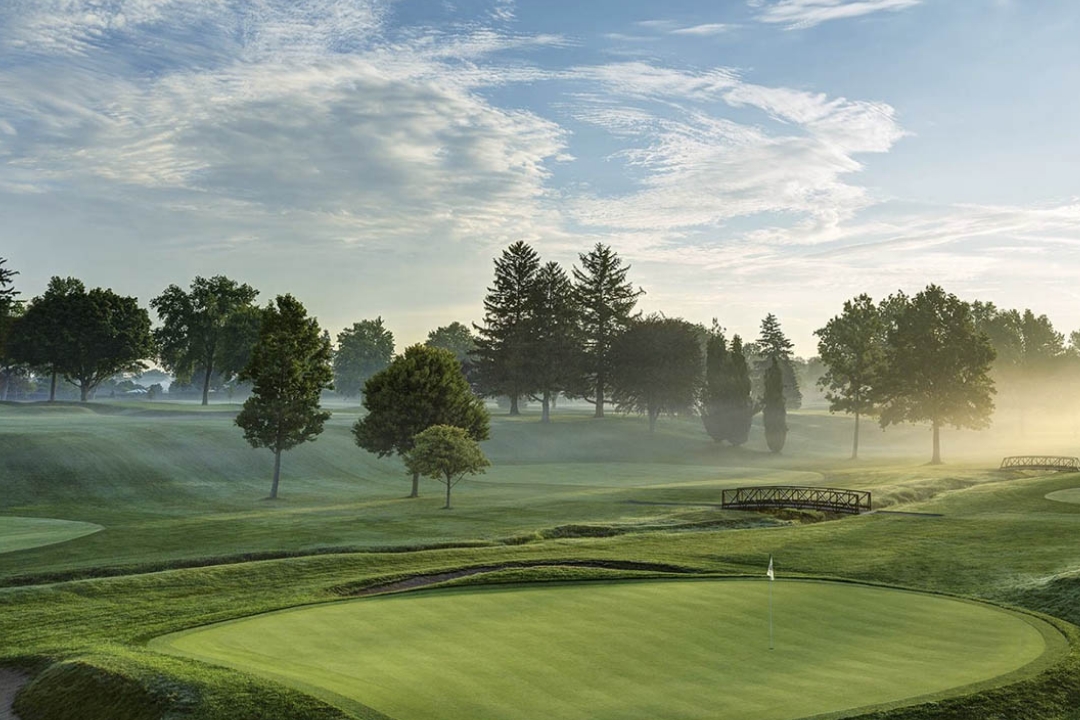
A Donald Ross design at heart, Inverness has hosted multiple major championships over the decades, including four U.S. Opens and two PGA Championships, and has stood as a revered test of golf for generations.
A Storied History Meets Change
Originally designed by golf legend Donald Ross in the early 20th century, Inverness quickly earned its place among the sport’s elite layouts. Ross, best known for iconic courses like Pinehurst No. 2 and Seminole, crafted Inverness with strategic depth, complex greens, and a routing that flows over rolling terrain.
However, a controversial redesign in the 1970s by Tom and George Fazio, executed ahead of the 1979 U.S. Open, introduced modern elements, tighter corridors, added length, and new holes that many felt clashed with Ross’s original design intent. Over time, this shift saw Inverness slip in golf course rankings, reflecting critics’ views that it had lost some of its Golden Age charm.
The Andrew Green Restoration
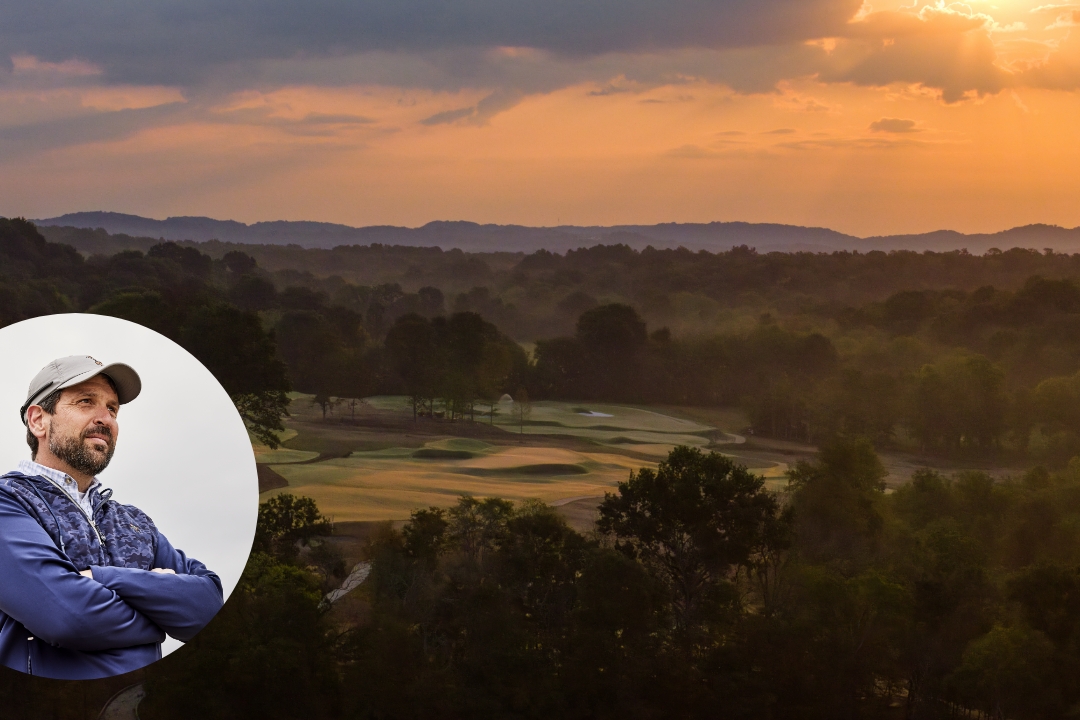
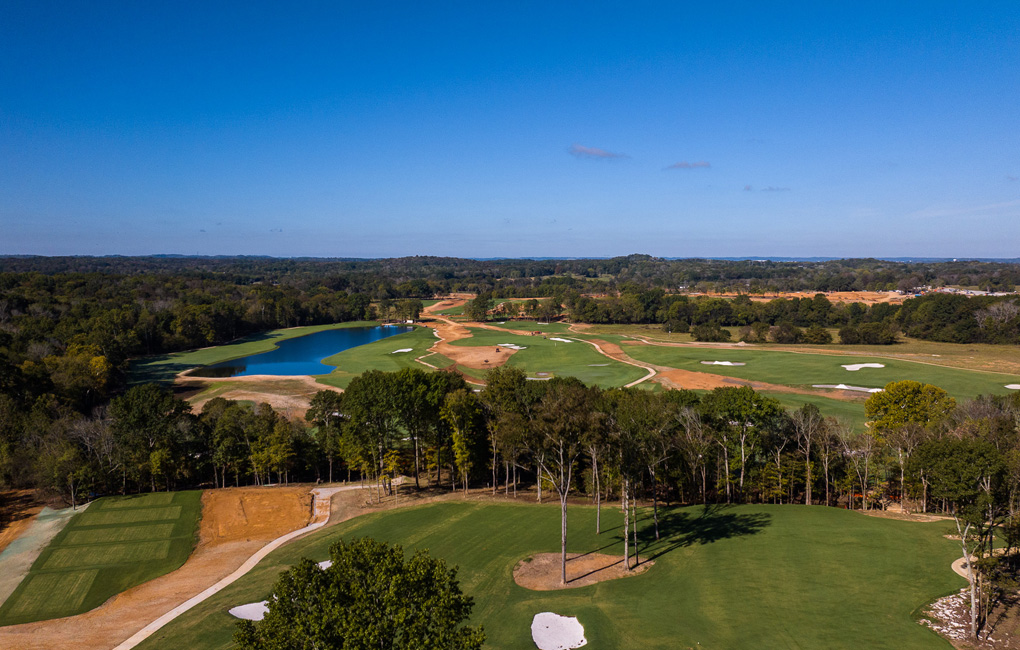
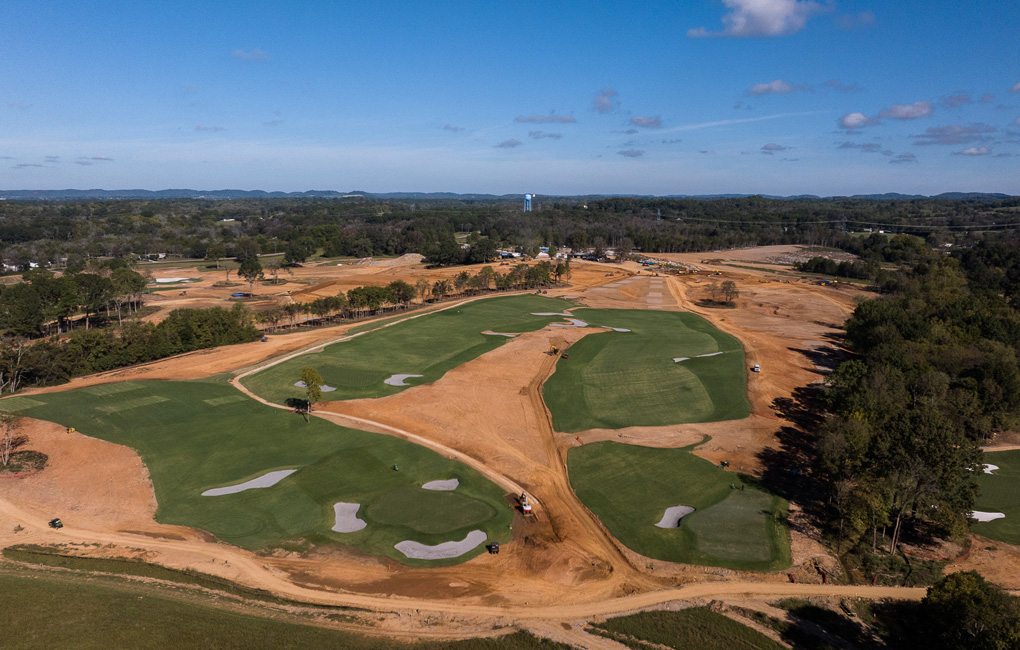
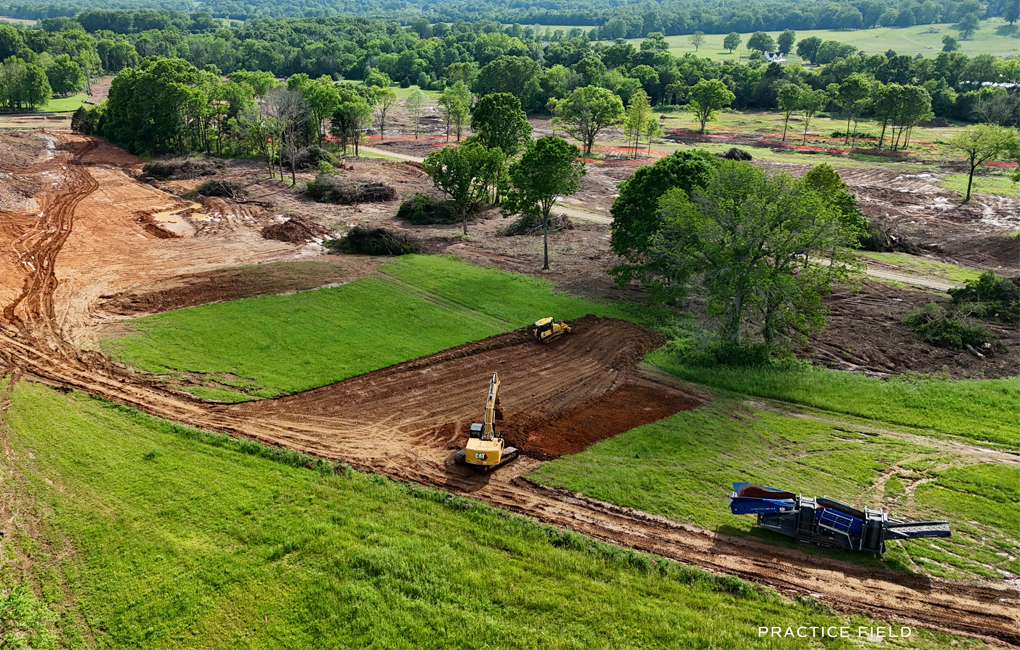
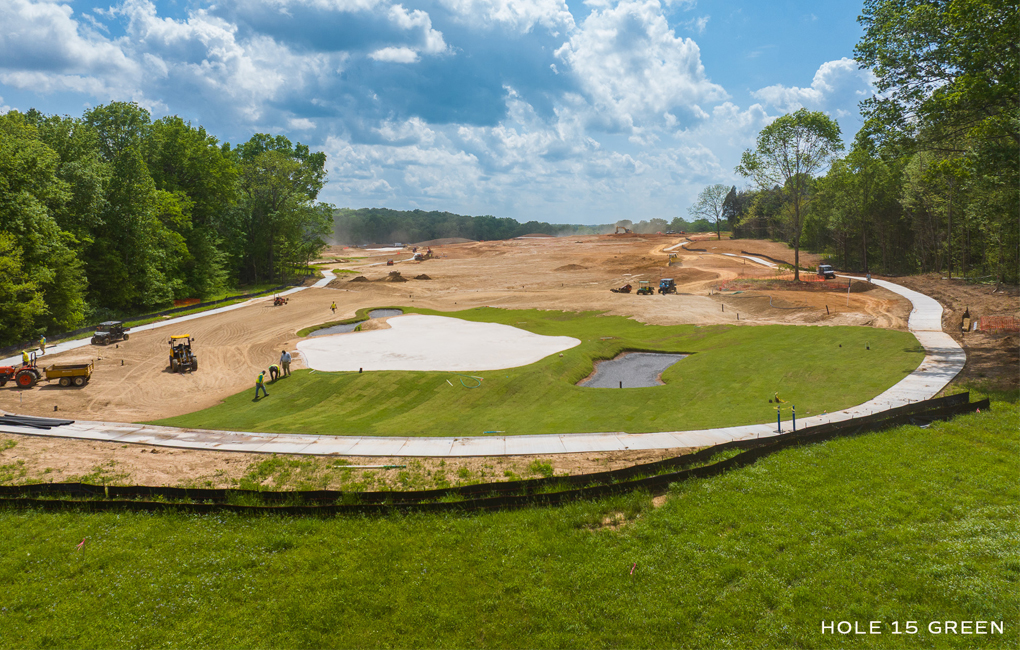
In 2018, Inverness selected Andrew Green, then a relatively little-known architect, for its restoration project. Green took on the challenge of undoing the most jarring Fazio changes and realigning the course with Ross’s strategic philosophies. This wasn’t a simple bunker refresh; it was a thoughtful reimagining.
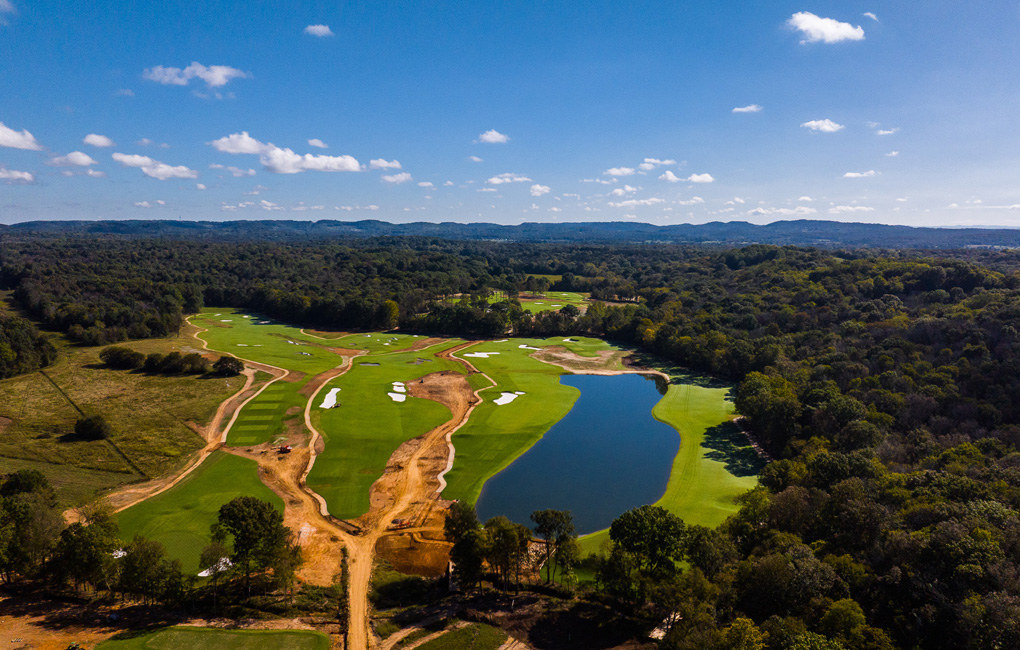
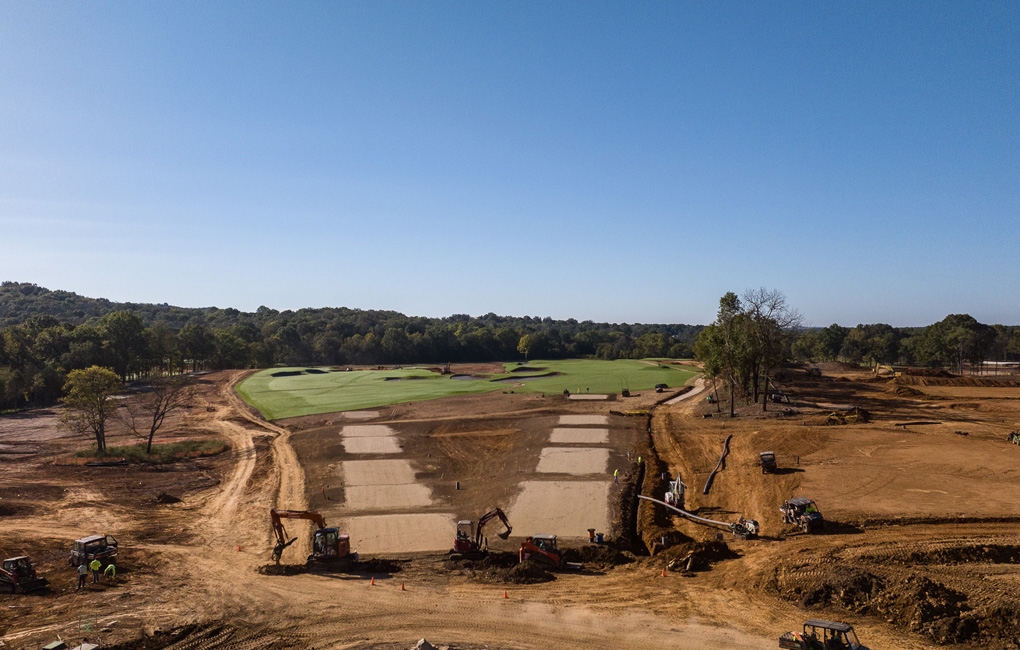
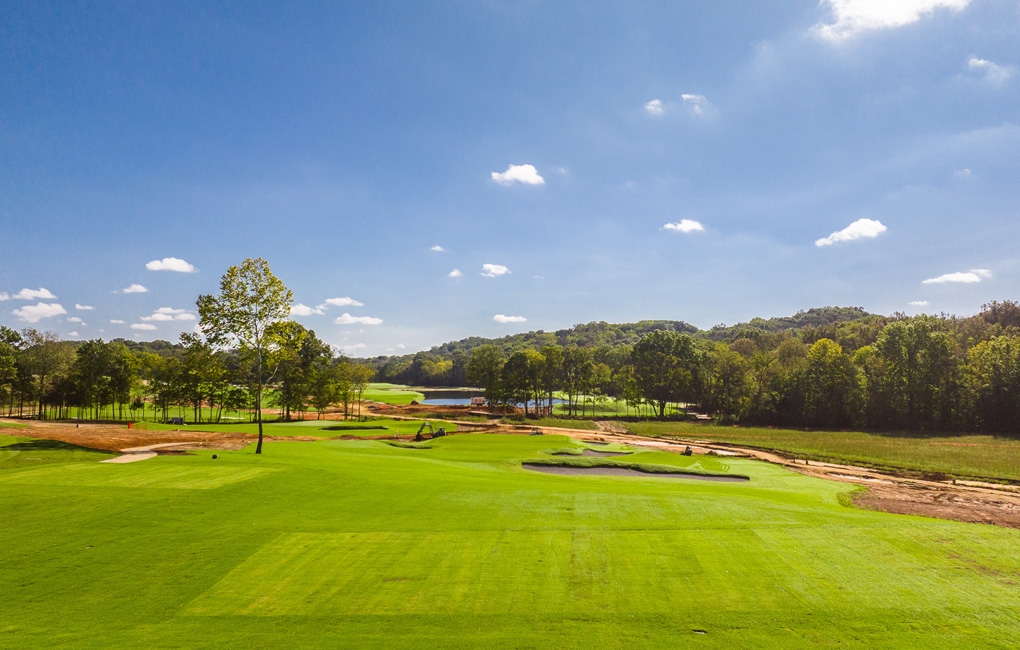
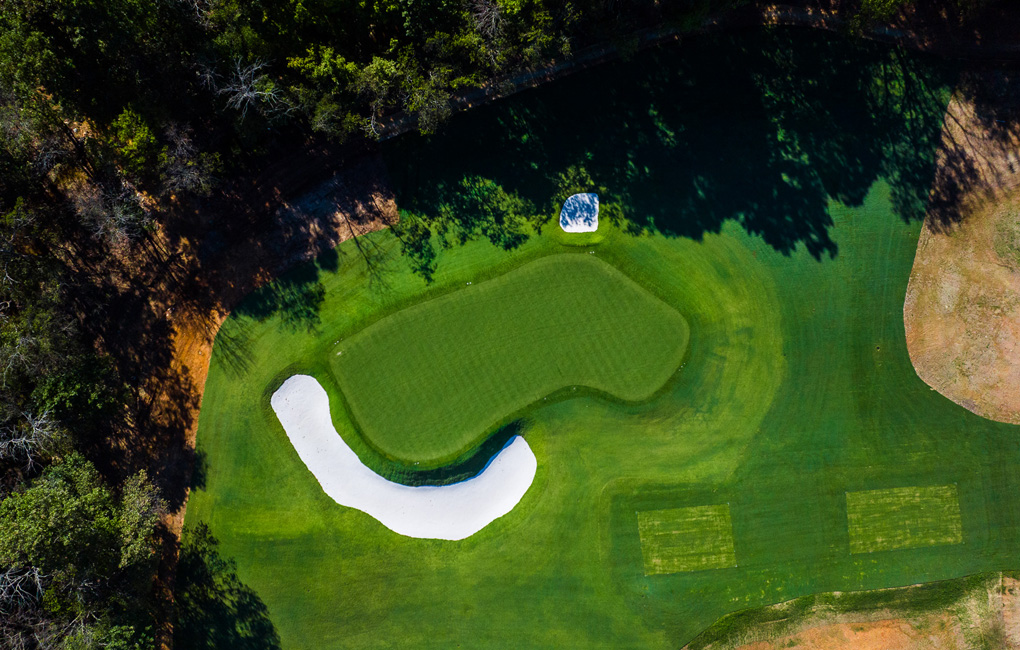
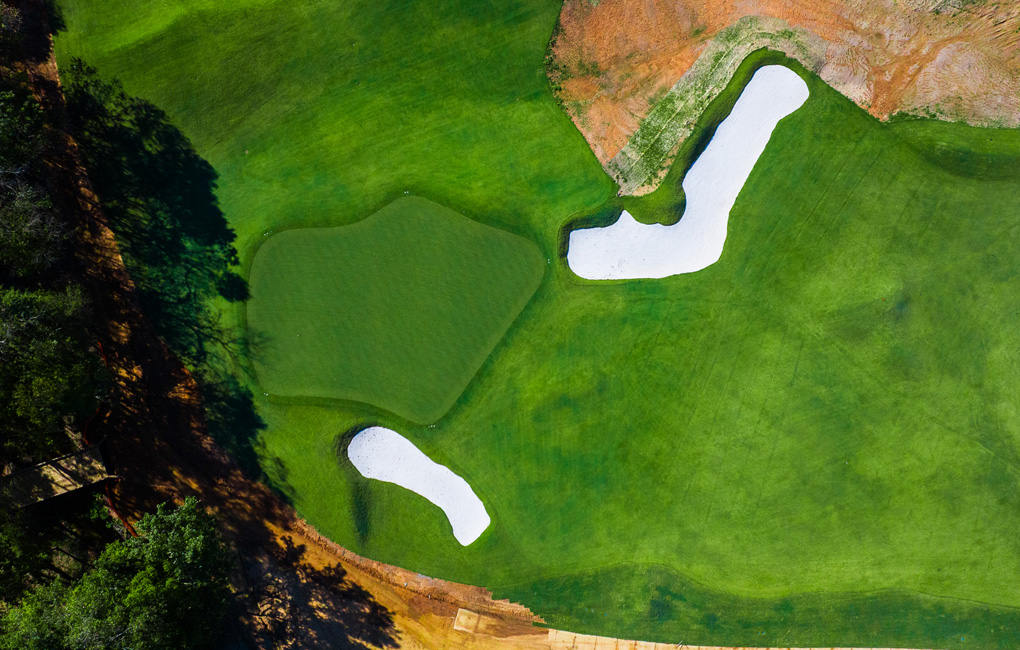
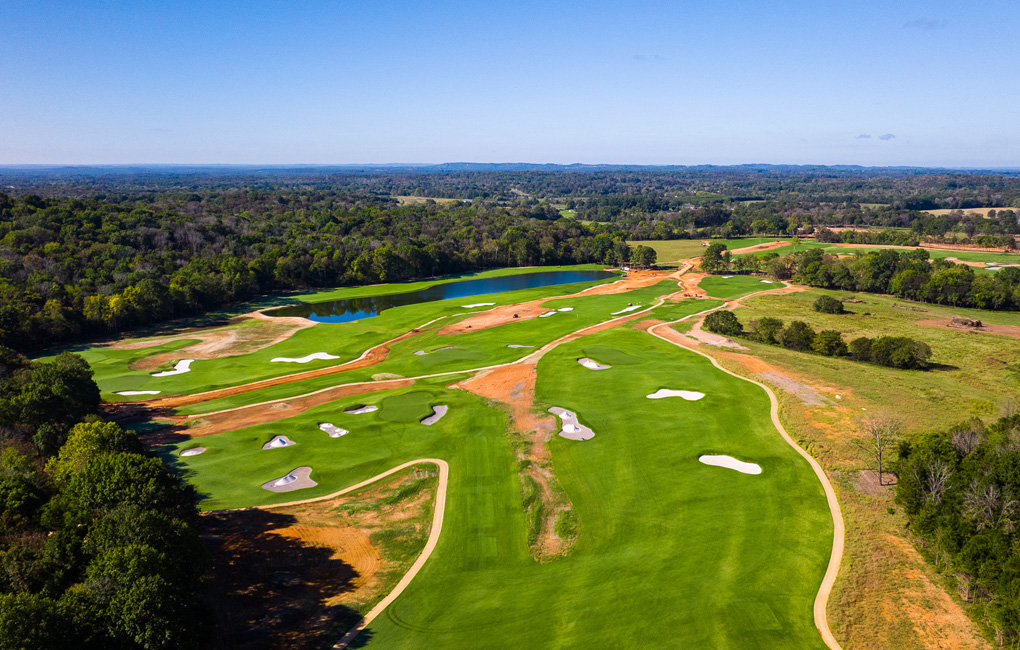
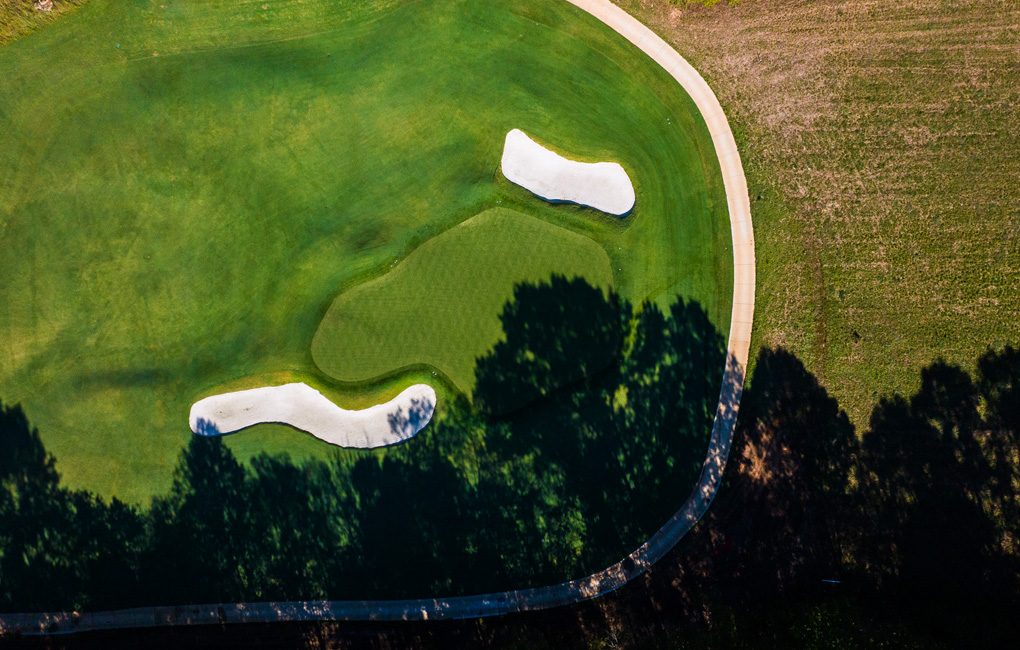
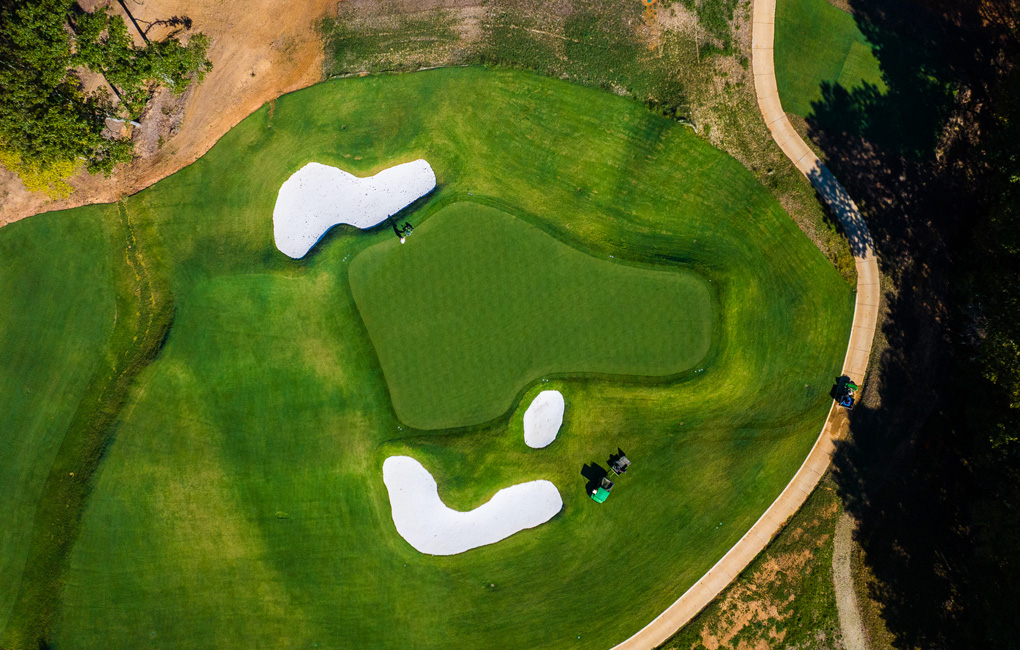
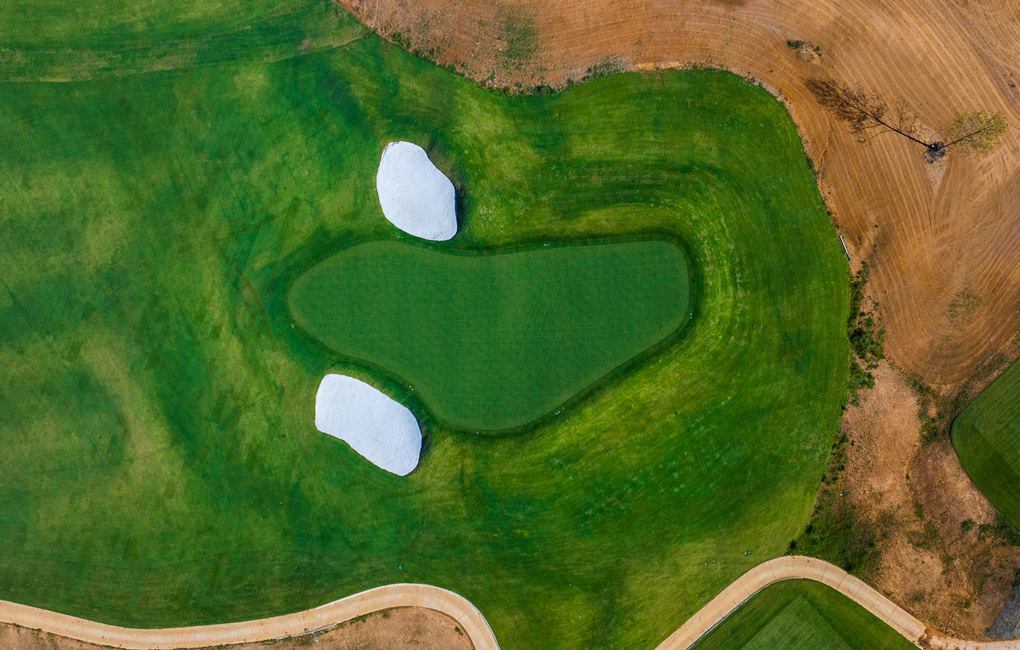
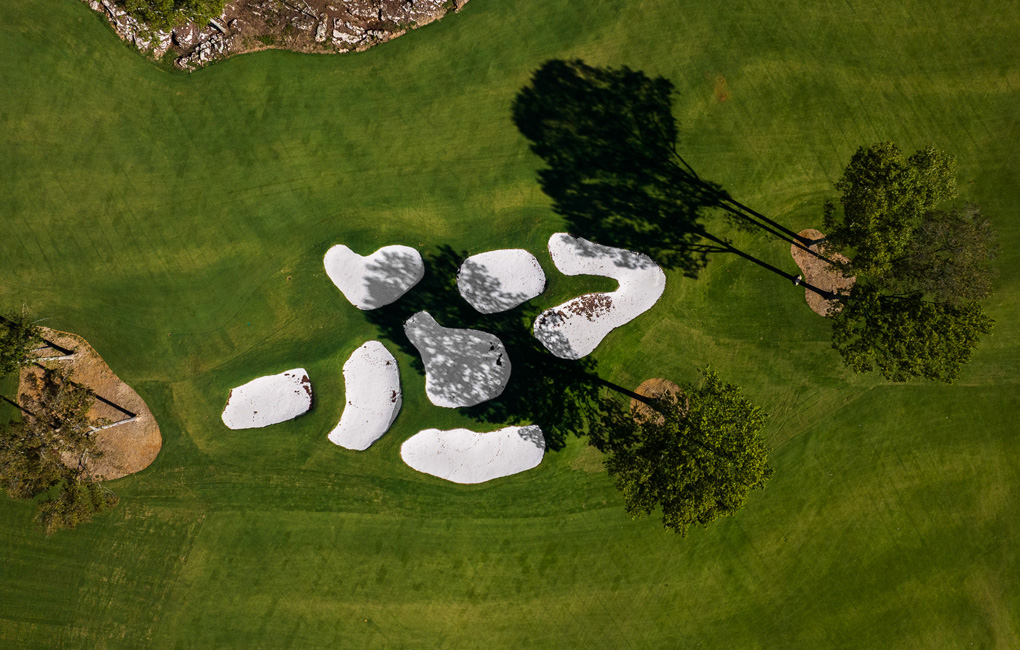
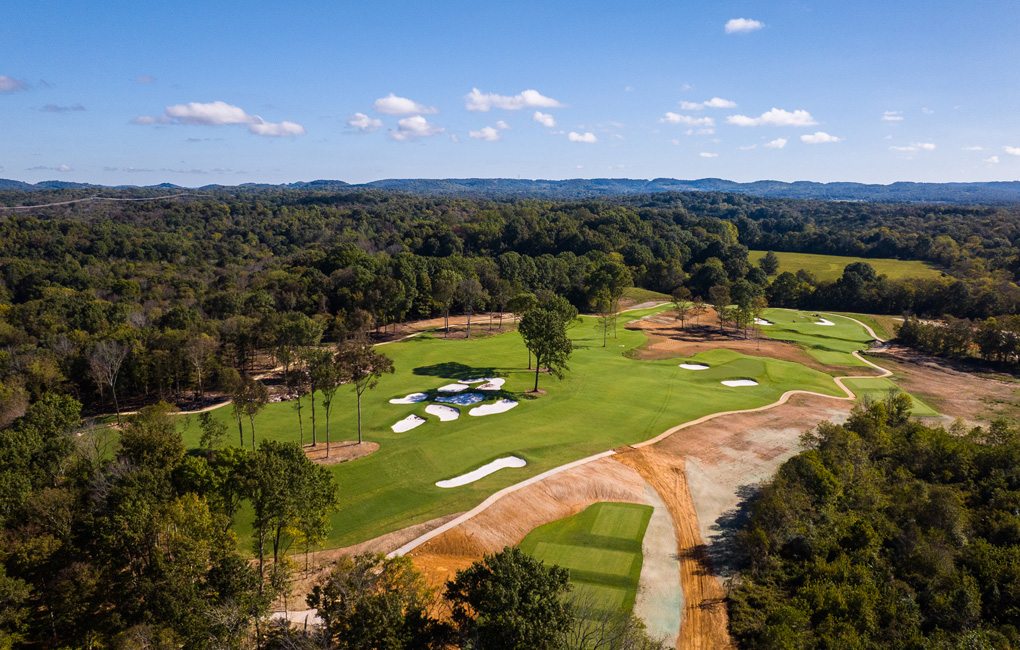
Green restored the original corridors to reintroduce strategic shot opportunities, expanded the greens and their surrounding contours, and replaced the three Fazio-designed holes with new ones modeled after Ross’s original vision. The outcome is a course that offers wider tee shots, more intricate approaches near the greens, and greater strategic diversity throughout.
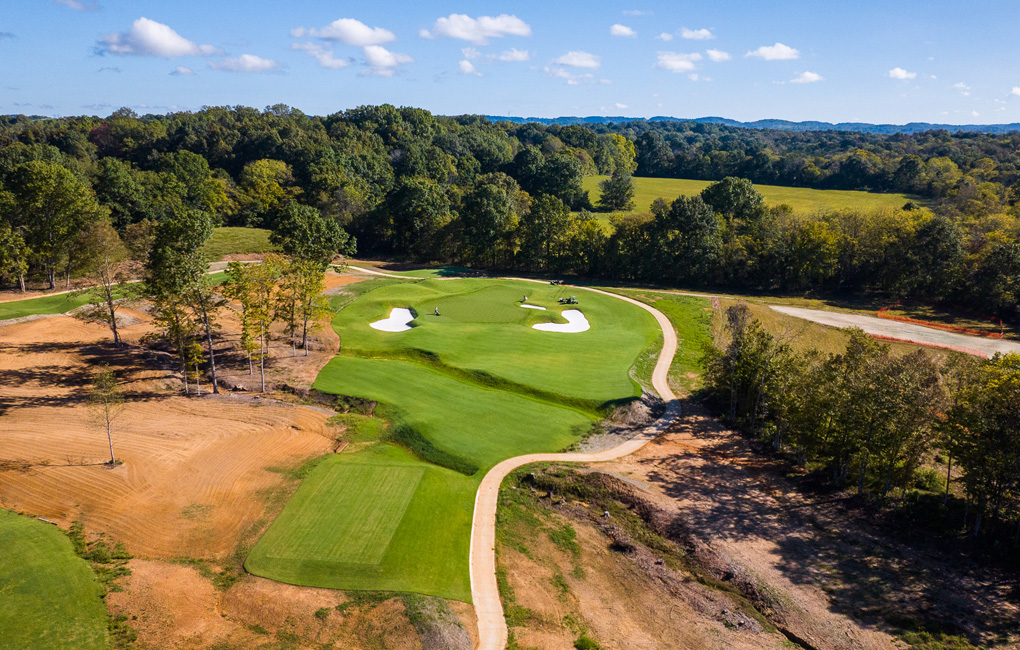
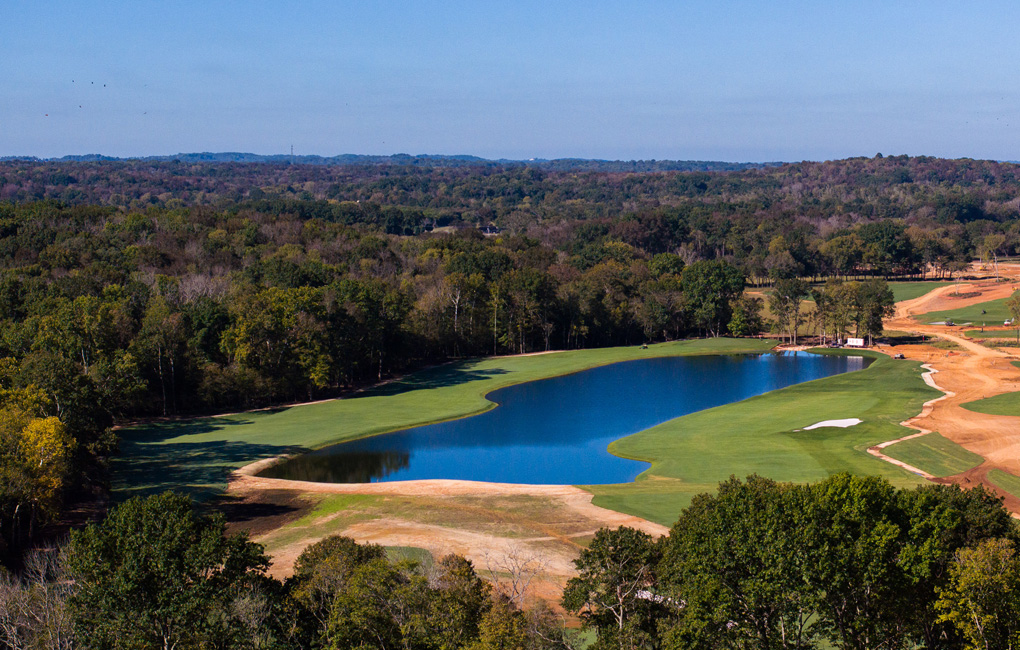
Golfers can particularly feel this blend of strategy and tradition on holes like the challenging par-4s at the 6th and 7th, and the risk-reward layouts of the 4th, 10th, and 18th. These holes demand thoughtful decision-making, exactly what Ross’s design aimed to test.
Recognition and Relevance
The restoration has paid dividends not just in playability but in recognition. After sliding down to No. 98 on GOLF’s Top 100 Courses in the World list, Inverness has climbed back up to No. 67, a testament to the success of Green’s sensitive and informed approach.
Today, Inverness stands as a modern championship venue that still honors Ross’s strategic brilliance. With another major championship, the 2027 U.S. Women’s Open, set to take place on its grounds, the club’s resurgence feels both timely and deserved.
Inverness Club’s journey from Golden Age gem to controversial redesign and back again is a fascinating story of respect for tradition and bold architectural vision. Andrew Green’s work reminded the golf world that restoration can be as creative and impactful as new construction, especially when rooted in deep appreciation for the game’s greatest architects.
Source: Greiner, Dave. “How this 6-time major championship host site regained its luster.” Golf.com, December 13, 2025.
Image: InvernessClub.com