Golf, News
Firefly and Andrew Green: A New Chapter in Golf Architecture Takes Shape in Tennessee

When Athlon Sports contributor Brendon Elliott recently examined golf architect Andrew Green’s next two original-course projects, he highlighted a fascinating moment in the career of one of golf’s most influential designers. In his article, “Andrew Green’s Next Chapter Arrives With Two Very Different New Golf Courses,” Elliott explores how Green’s work at Firefly in Tennessee and Kawonu Golf Club in South Carolina represents a significant shift from restoration specialist to original-course architect.
For Firefly, that story is especially meaningful.
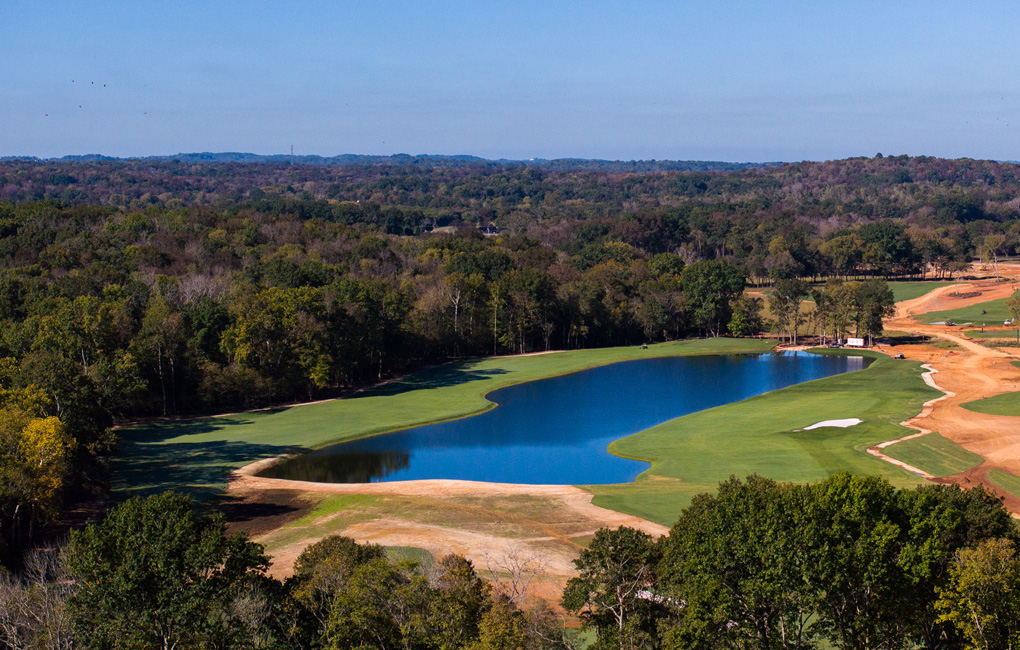
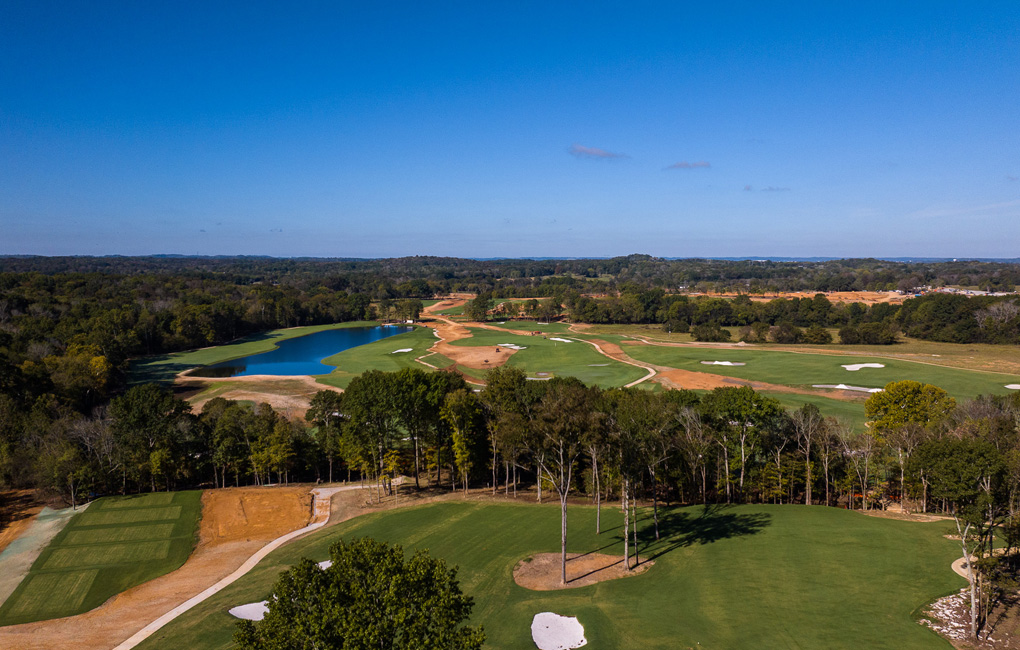
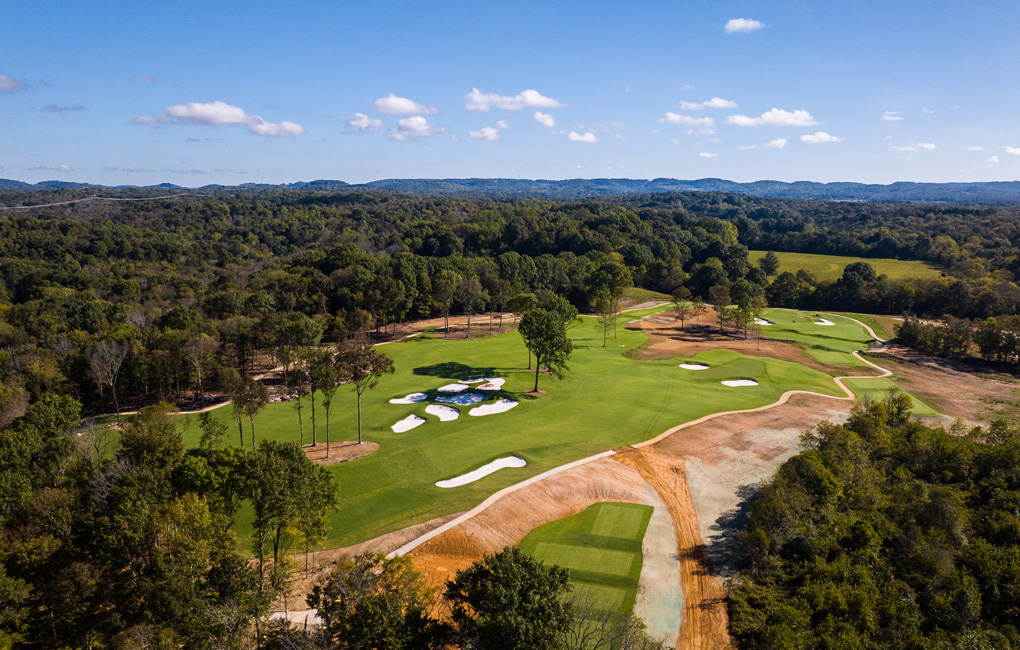
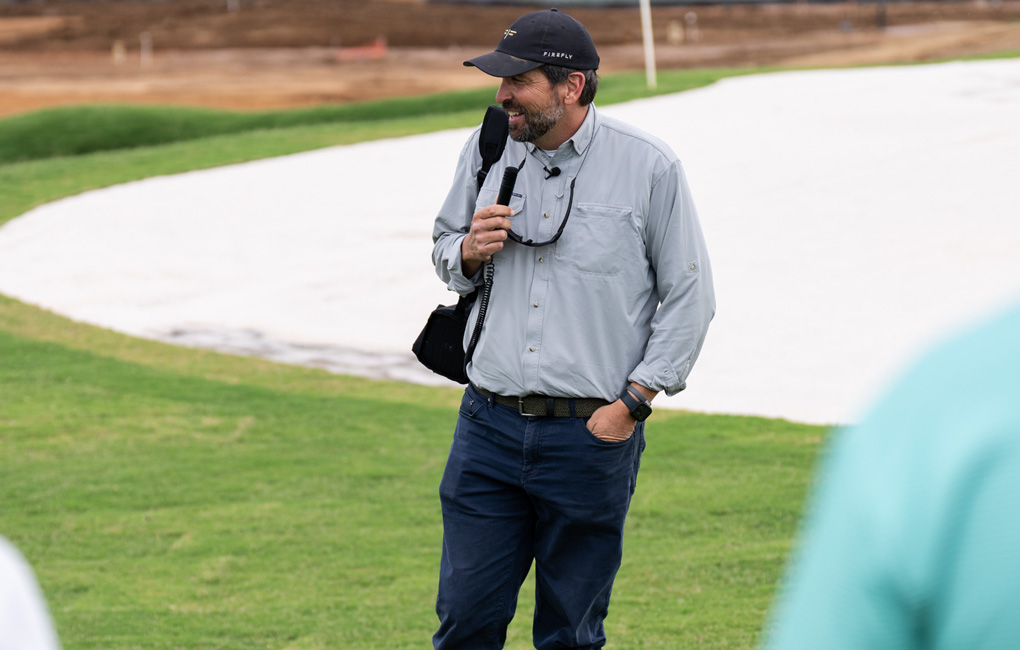
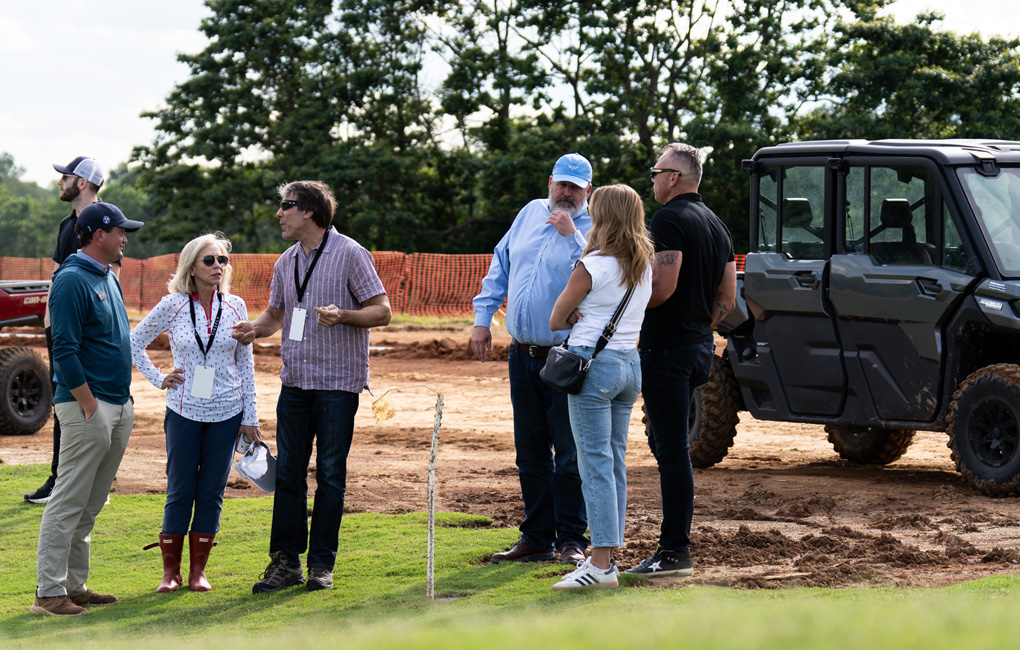
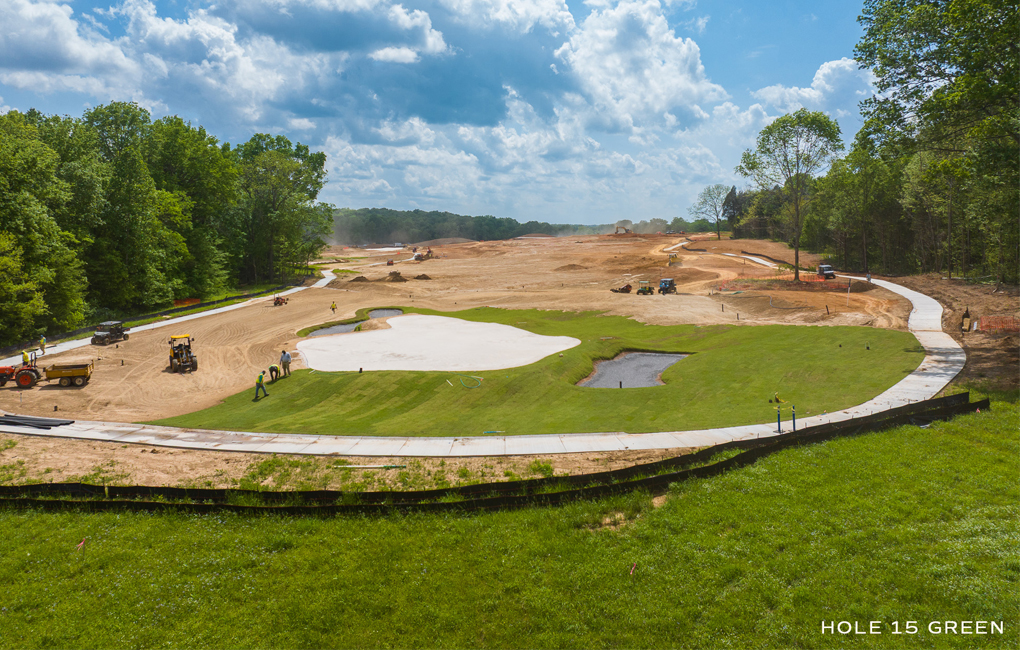
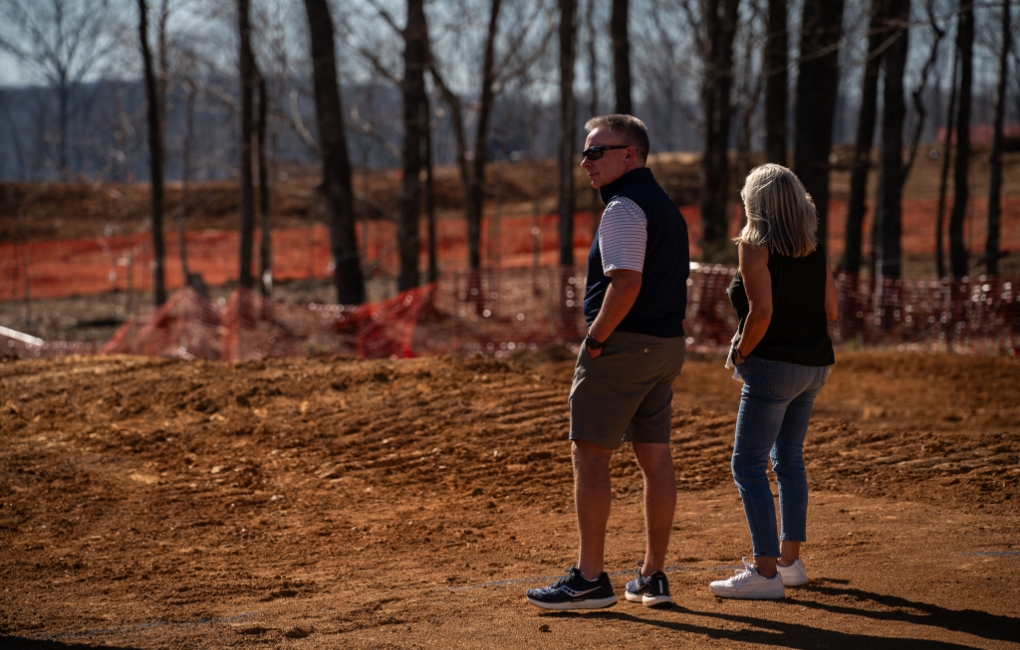
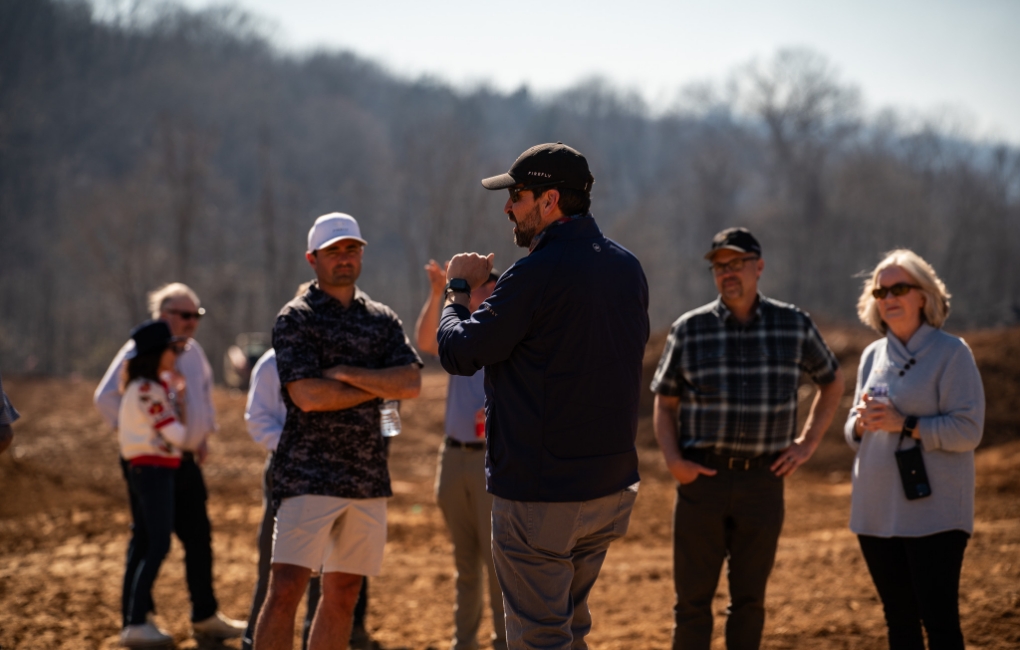
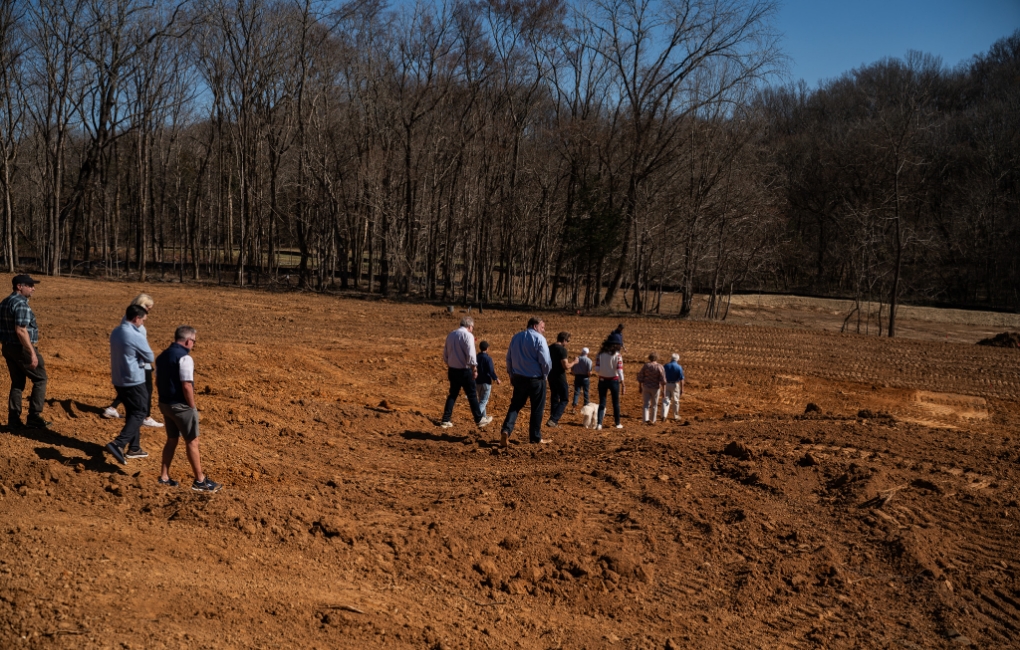
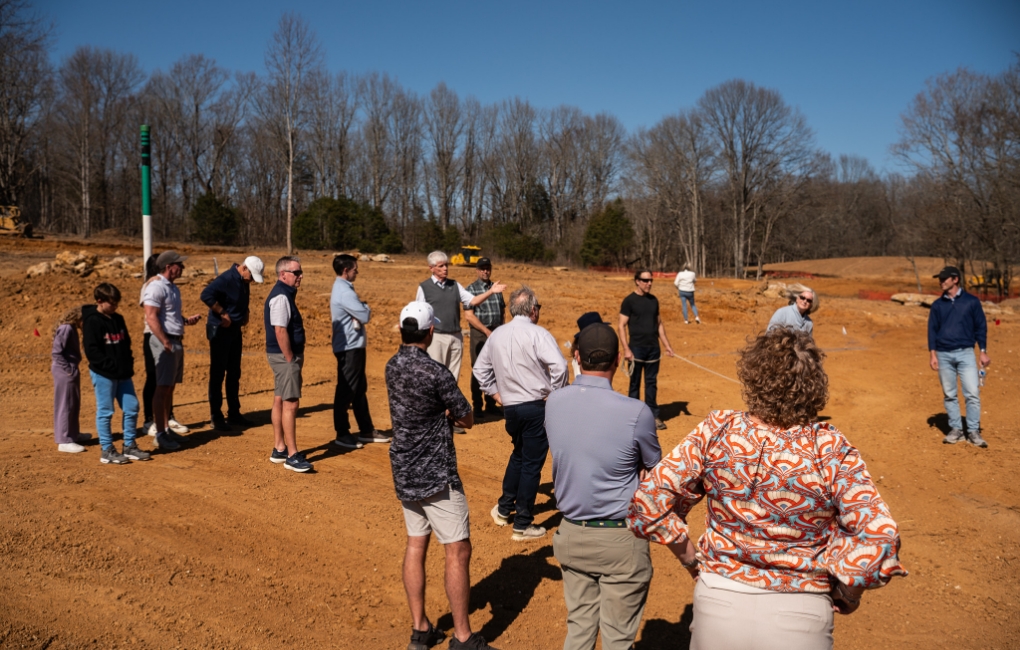
After years spent restoring some of America’s most celebrated golf venues, Green is now helping shape the identity of an entirely new private club community in Spring Hill, Tennessee—one that is redefining luxury golf living just south of Nashville.
From Preserving History to Creating It
Green’s reputation has been built through the thoughtful restoration of some of the game’s most revered properties, including Oak Hill Country Club, East Lake Golf Club, Congressional Country Club, Inverness Club and Interlachen Country Club.
As Elliott notes in Athlon Sports, restoration requires a unique combination of research, restraint and respect for the original architect’s vision. Green has become widely respected for his ability to modernize championship venues while preserving their architectural character and strategic integrity.
But Firefly presents a different challenge.
Rather than uncovering someone else’s intent, Green is creating his own from the ground up.
Firefly’s Golf Experience at the Heart of the Community
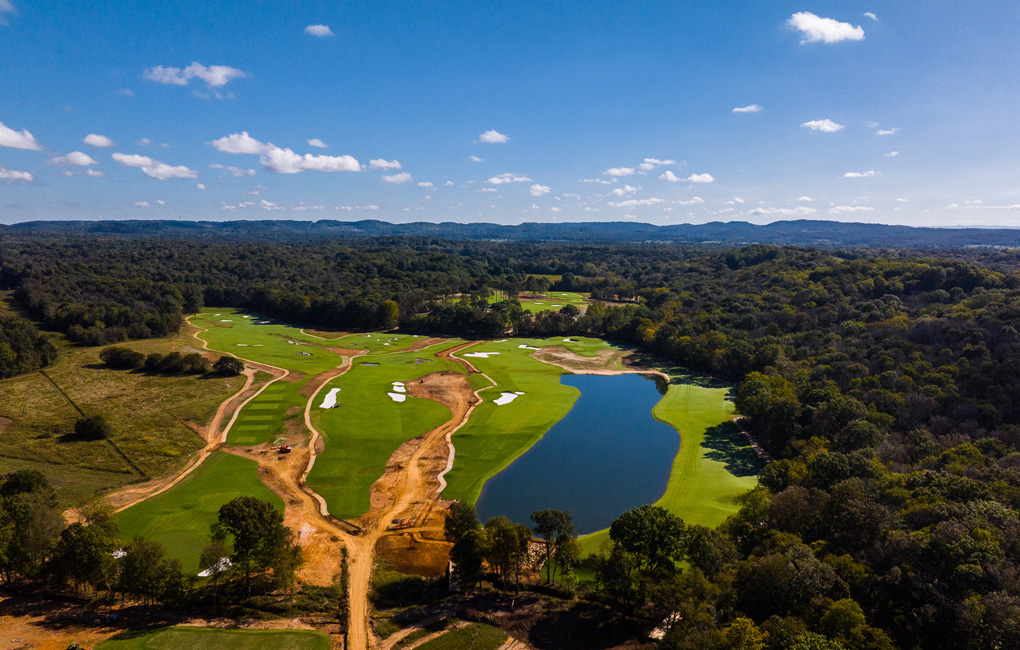
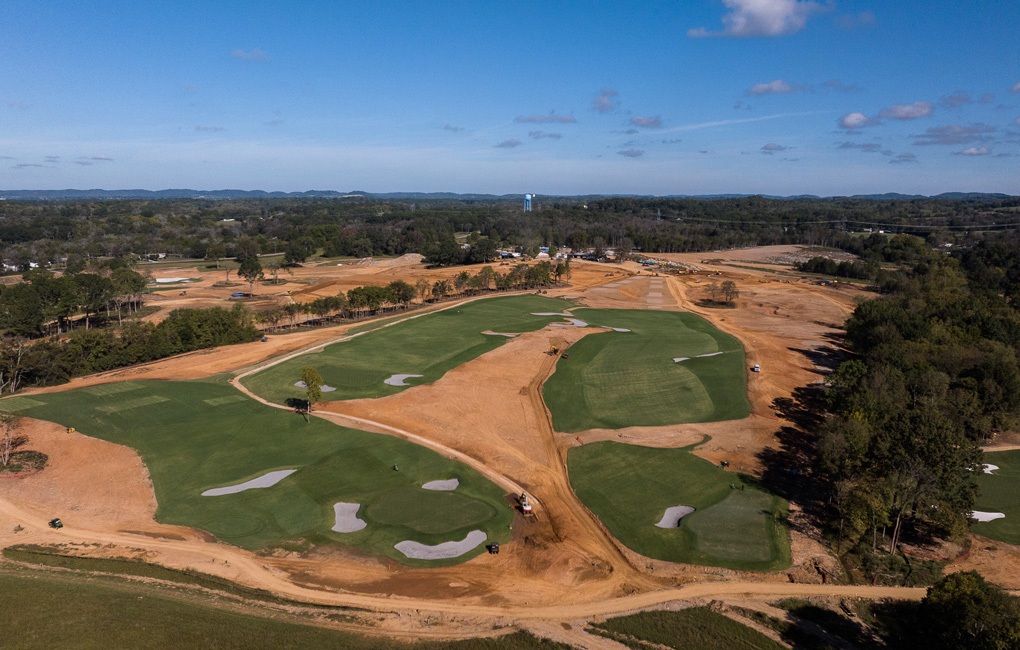
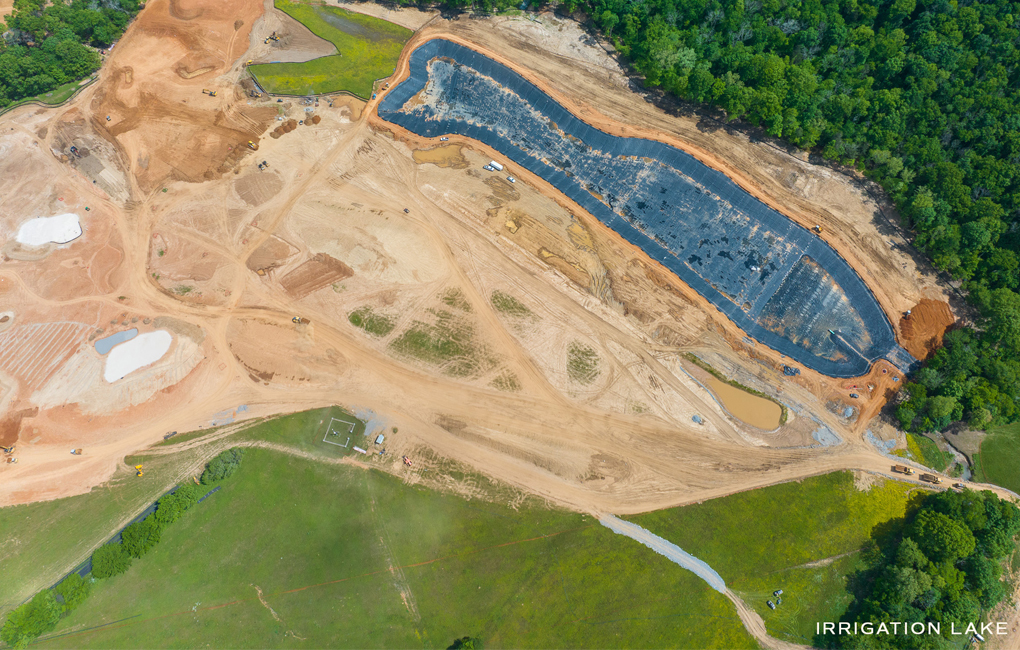
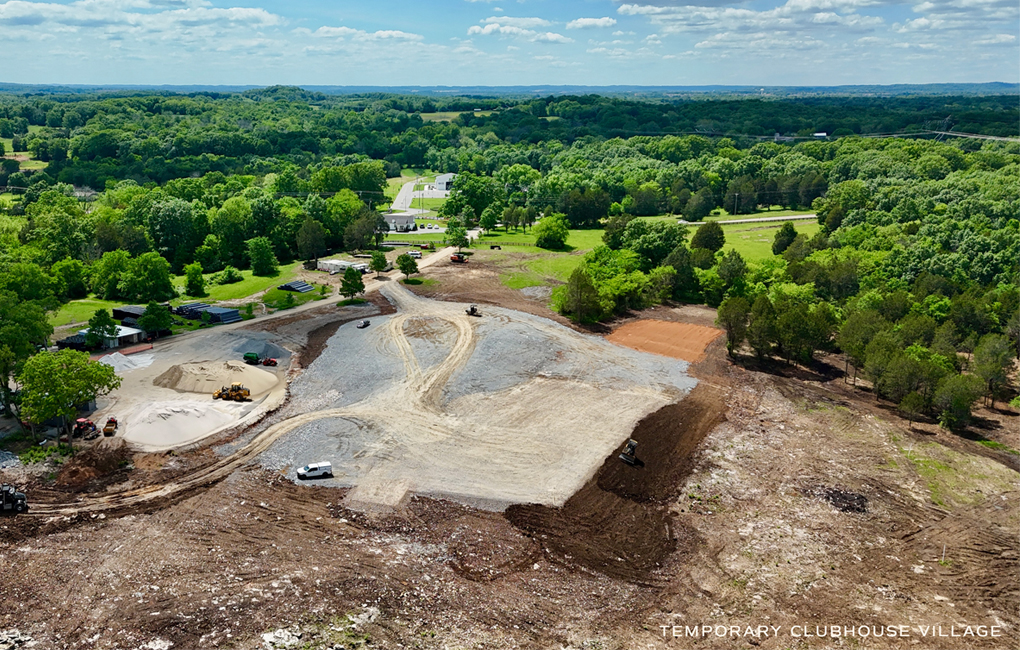
Located on approximately 700 acres in Spring Hill, Firefly is being developed by Storied Development in partnership with Wheelock Street Capital. The private club community is designed around a comprehensive lifestyle vision that combines championship golf, wellness, recreation, dining and family-focused amenities.
At the center of that vision is Green’s golf architecture.
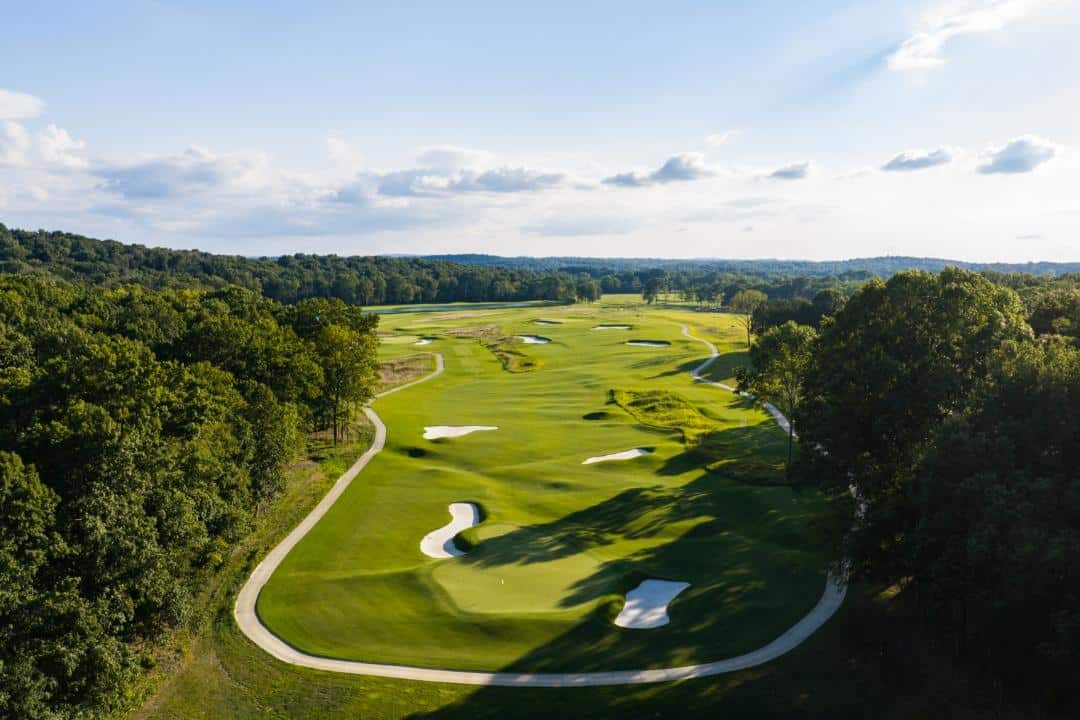
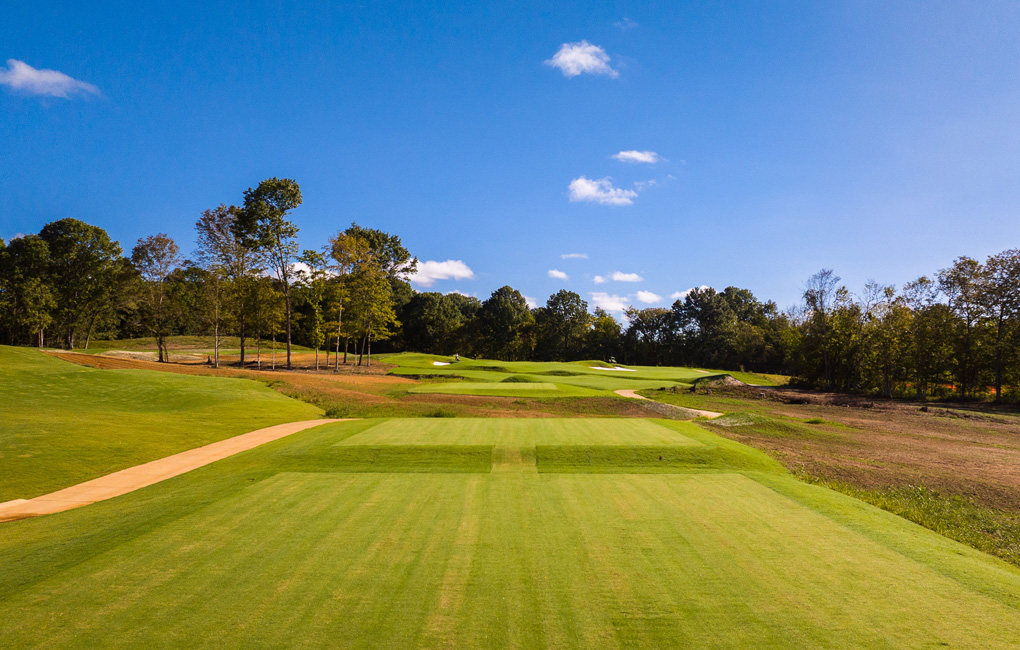
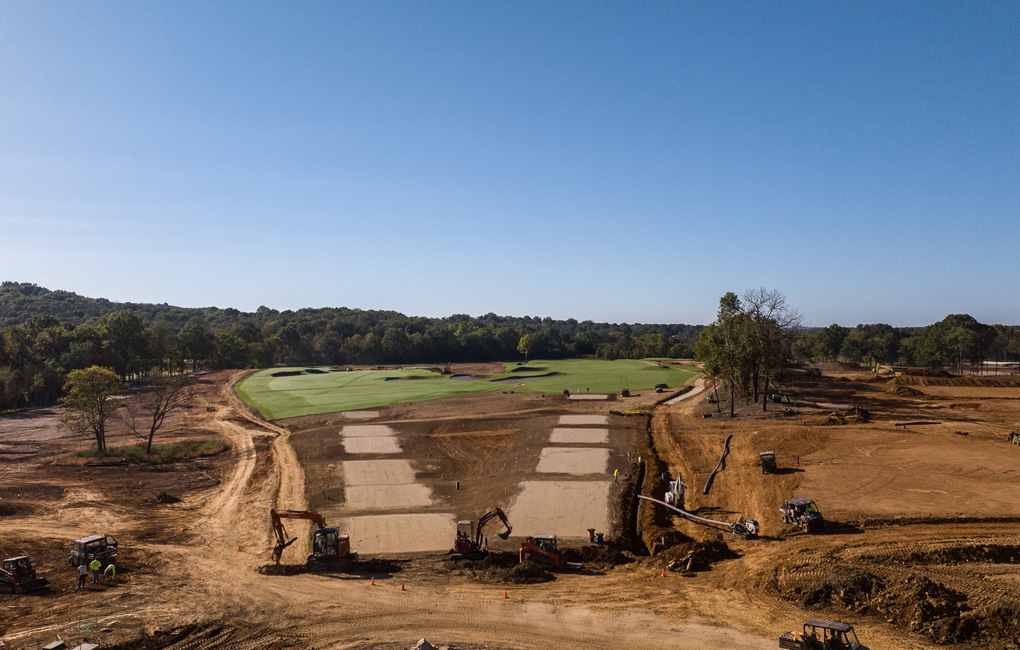
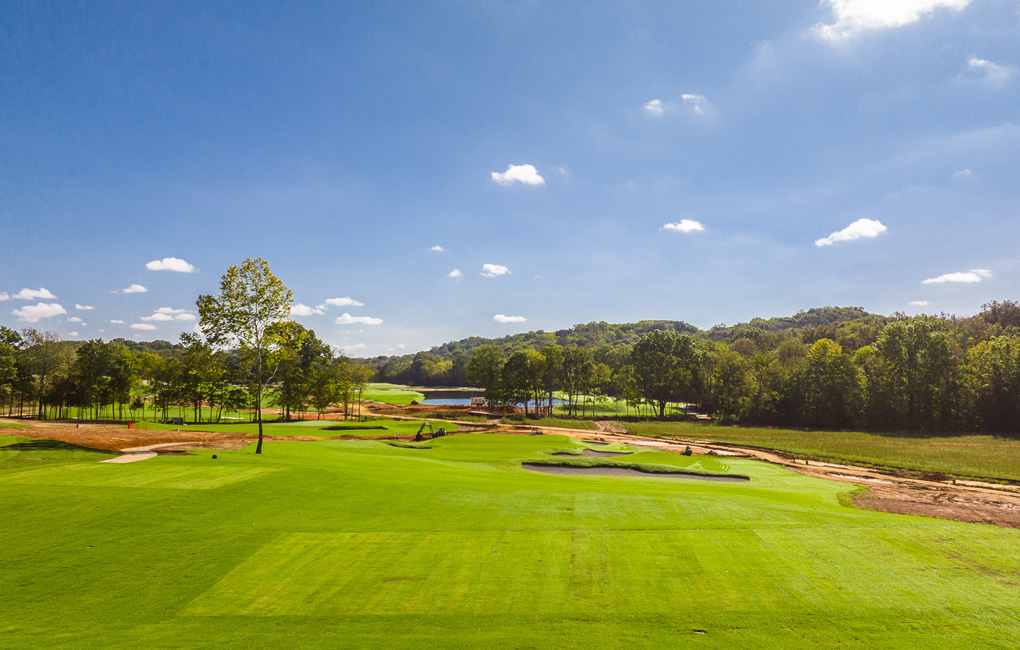
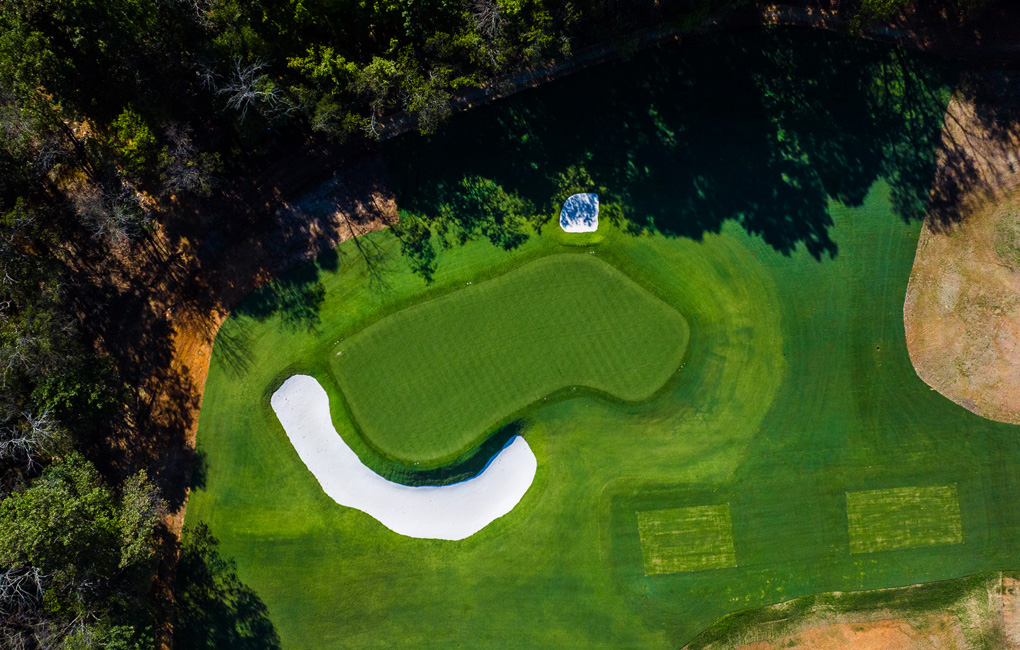
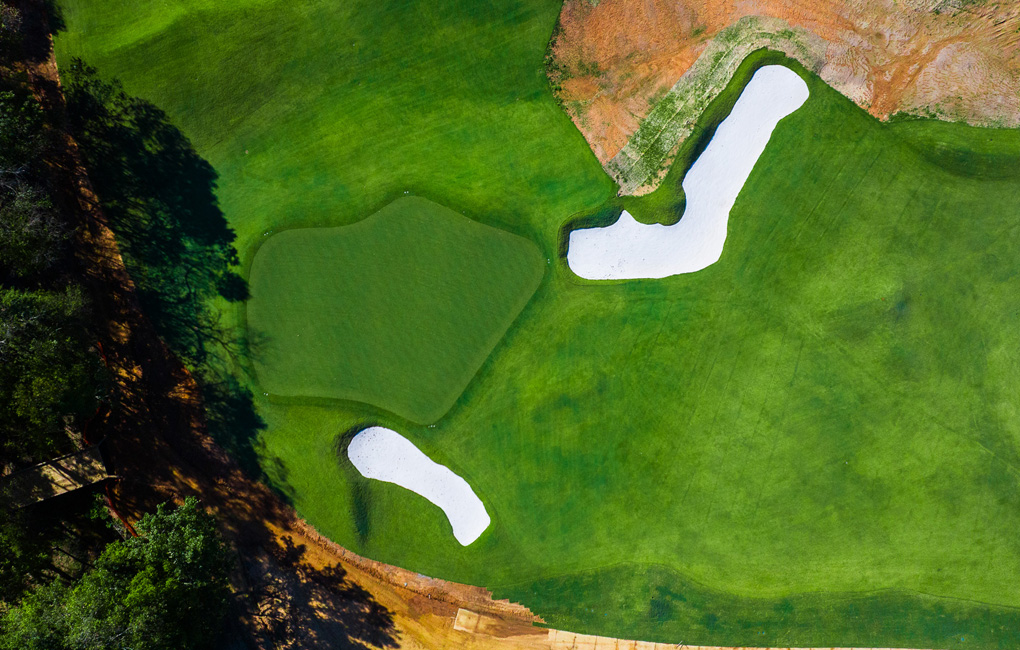
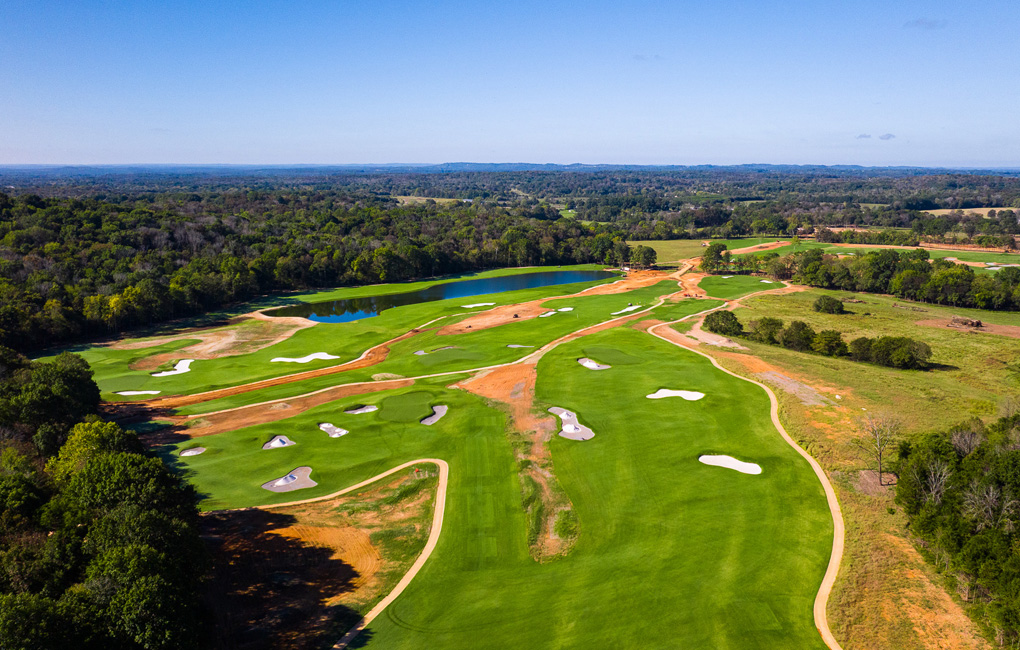
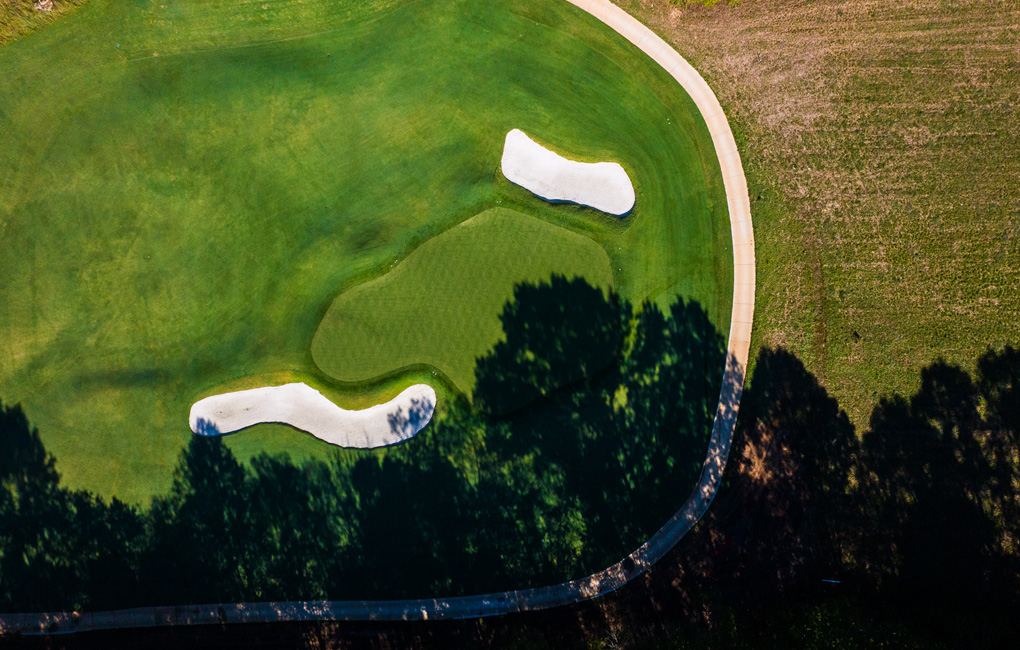
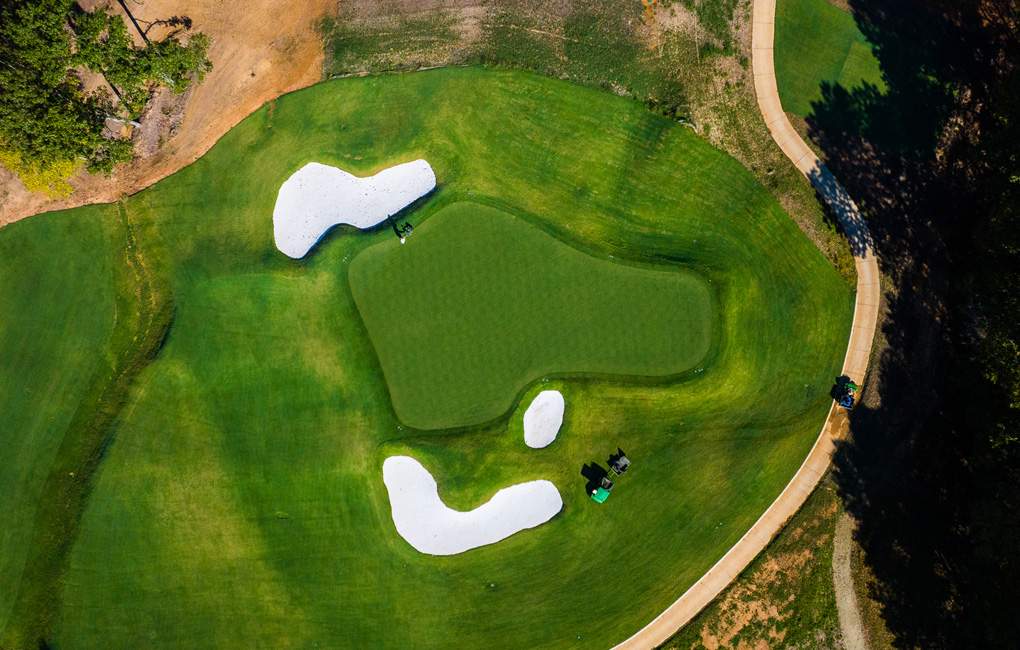
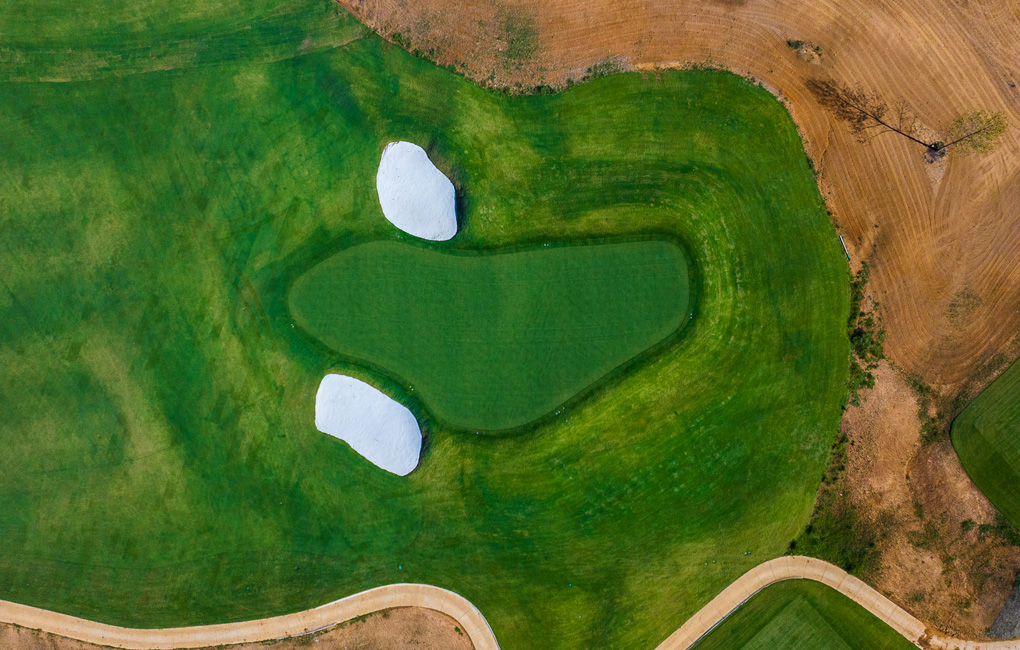
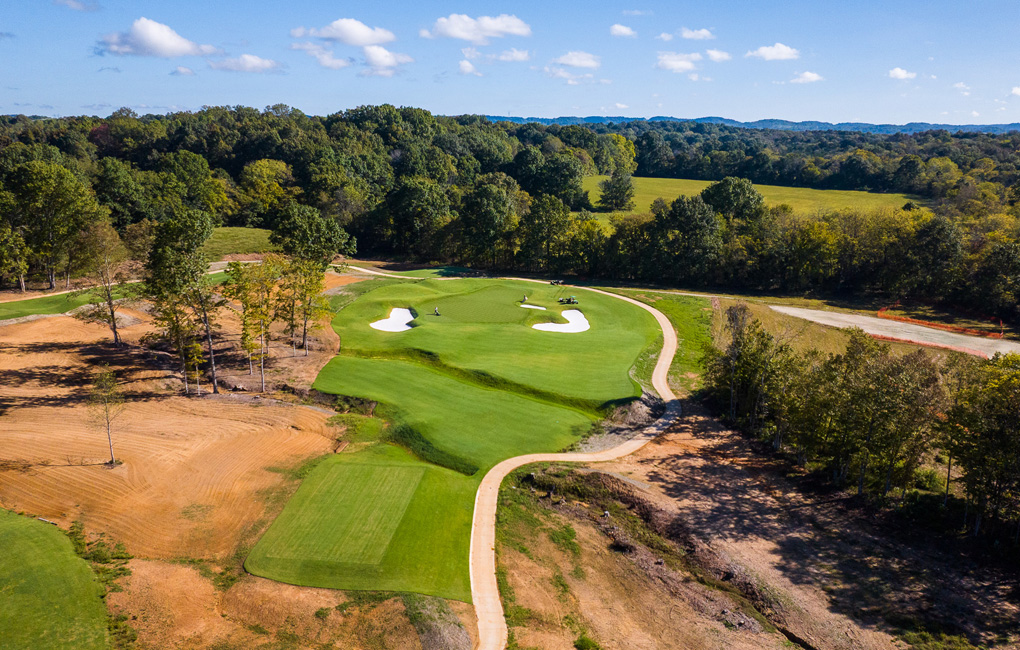
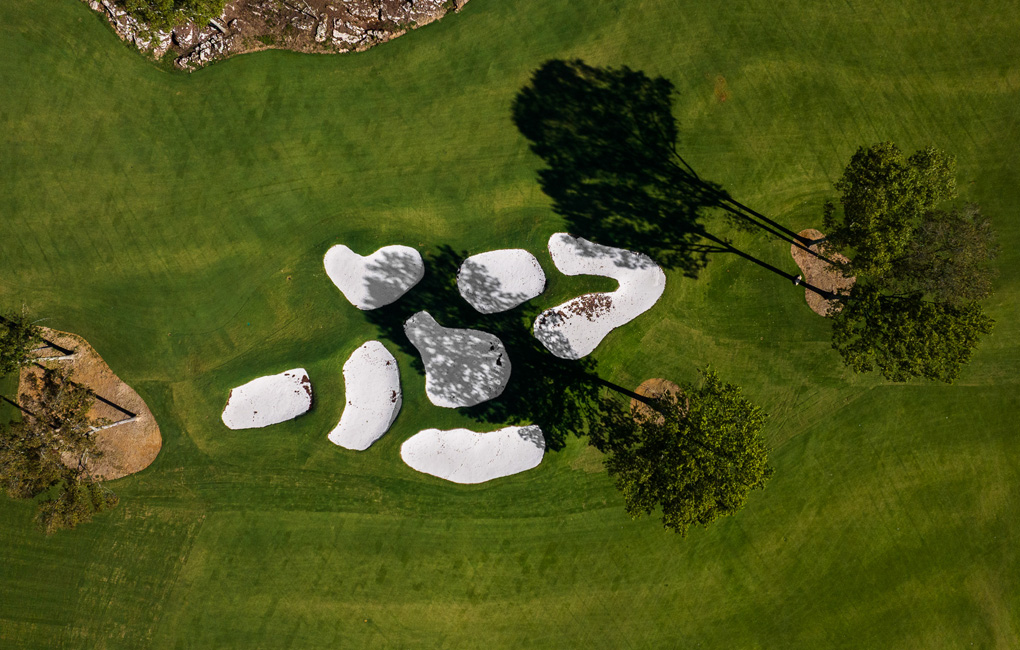
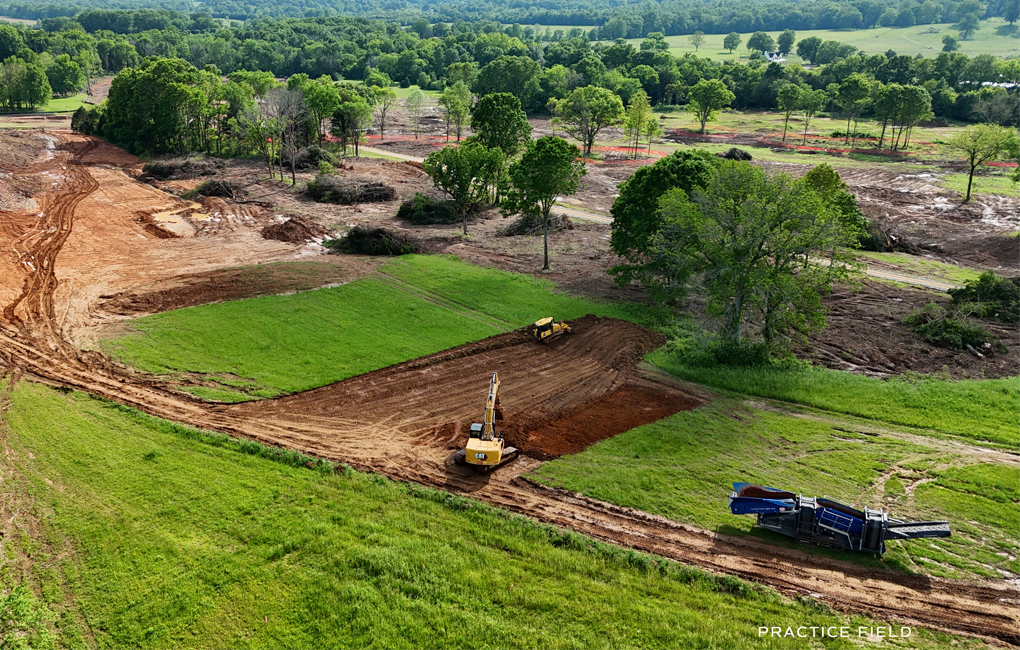
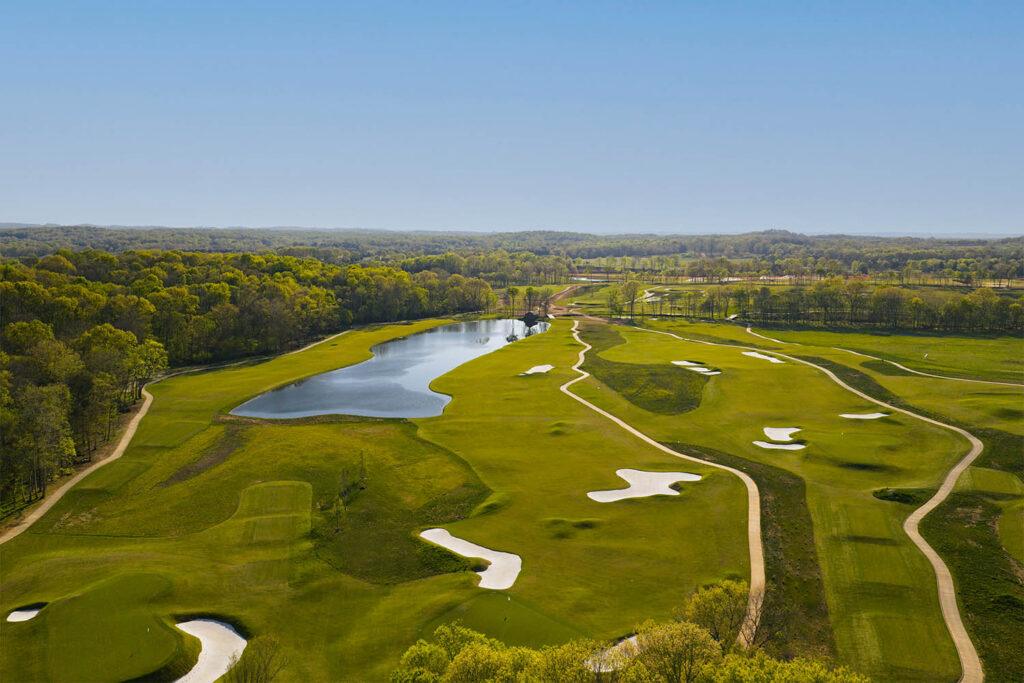
The community’s 18-hole championship course and 9-hole short course are scheduled to open in fall 2026, creating a golf experience that must serve multiple audiences while remaining true to the principles of great design.
The challenge is substantial.
The golf must appeal to accomplished players who appreciate strategic architecture while remaining accessible to families, juniors, newcomers and members seeking a more relaxed round. Whether it’s a competitive round on the championship course, a quick loop on the short course, an evening walk, or a family golf outing, the experience must feel cohesive and inviting.
Green’s background makes him uniquely qualified for the assignment.
His restoration work has consistently emphasized width, strategic options, natural landforms, walkability and thoughtful shot values—qualities that resonate with modern golfers while remaining rooted in timeless design principles.
At Firefly, those lessons can be applied without the constraints of an existing historical blueprint.
A Defining Moment for Modern Private Golf
One of the most compelling observations from Elliott’s Athlon Sports article is the contrast between Firefly and Kawonu.
While Kawonu represents the emerging trend of highly exclusive, golf-only destinations, Firefly reflects another powerful movement in private club development: the luxury lifestyle community anchored by exceptional golf.
The distinction matters.
Firefly is not simply building a golf course. It is creating a community where golf serves as the foundation for a broader lifestyle experience. Alongside Green’s courses, members will enjoy a clubhouse, wellness facilities, family-focused amenities, dining venues, racquet sports, indoor pickleball, pools, golf simulators, bowling and miles of outdoor recreation opportunities.
The golf course becomes more than an amenity—it becomes the community’s defining element.
What Golfers Should Watch
As Firefly moves toward its 2026 opening, golfers and architecture enthusiasts will have an opportunity to see how Green’s philosophy translates into original design.
The real story is not simply that these are among Green’s first major original projects.
It’s that they represent the culmination of decades spent studying some of golf’s greatest courses and learning firsthand what makes them endure.
Great golf architecture is rarely about spectacle alone. It is about creating memorable decisions, rewarding creativity, embracing the natural land and encouraging golfers to return again and again.
Those principles have guided Green’s restoration work for years.
Now, at Firefly, they have the opportunity to define something entirely new.
As Elliott observed, Firefly and Kawonu may ultimately help shape the next generation of private golf. For Firefly, that means demonstrating how a world-class golf experience can serve as the soul of a luxury community—bringing together architecture, recreation and family life in a way that feels both timeless and distinctly modern.
For Andrew Green, it marks a new chapter.
For Firefly, it marks the beginning of a remarkable one.
Source reference: Brendon Elliott, “Andrew Green’s Next Chapter Arrives With Two Very Different New Golf Courses,” Athlon Sports.