Golf, Progress, Team
A Dream Realized: Andrew Green Reflects on His First Original Design at Firefly
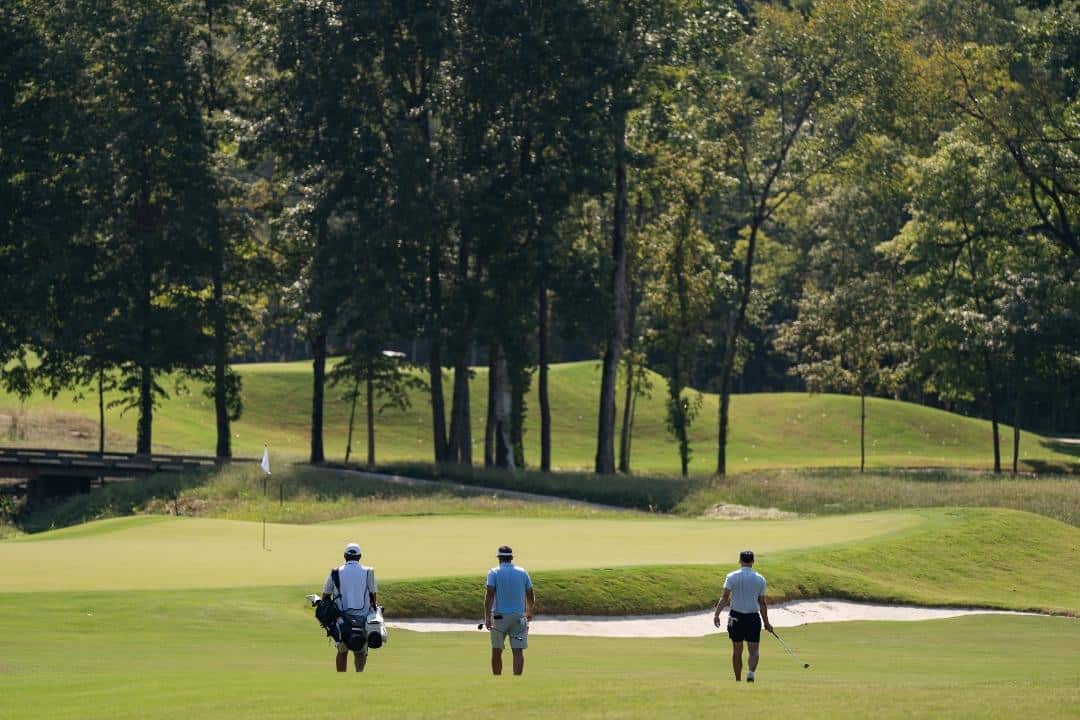
After decades shaping some of America’s most celebrated golf courses, acclaimed architect Andrew Green reflects on his first original design, the character of the finished course, and the experience he hopes golfers will remember.
For Andrew Green, the opening of Firefly represents something more than the completion of a remarkable golf course. It is the realization of an ambition that began nearly three decades ago, when he entered Virginia Tech as a landscape architecture student with a singular goal: to design golf courses.
Today, after earning national acclaim for his restoration work at some of the game’s most storied venues, Green can look across the rolling landscape of Middle Tennessee and see his first original 18-hole championship course brought to life.
And by his own assessment, the result has exceeded the significance of simply reaching a career milestone.
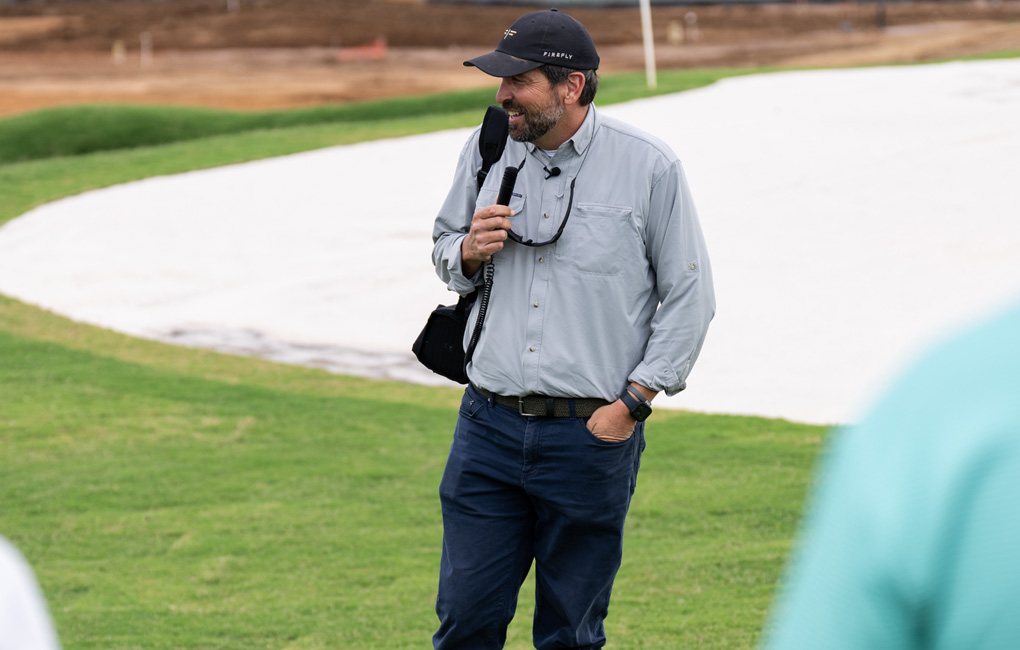
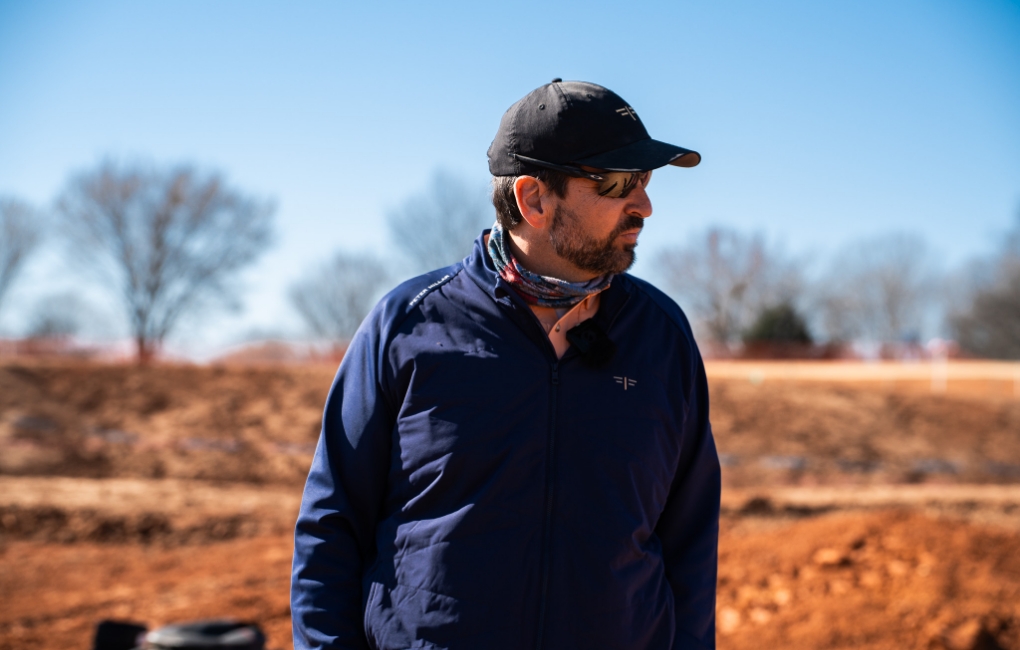
“To see it in reality after thinking about drawing those lines, I mean, it’s an honor. It’s a dream come true,” Green reflected during a recent conversation at Firefly. “It’s an amazing opportunity to work with tremendous professionals who aren’t worried about anything but creating something great.”
A Golf Course Shaped by the Land
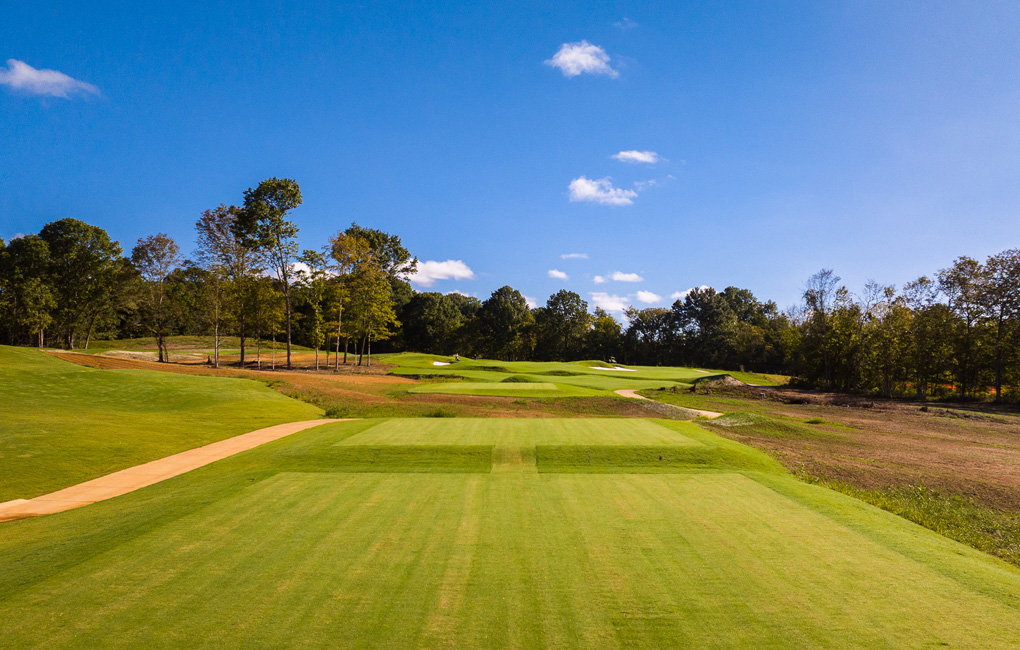
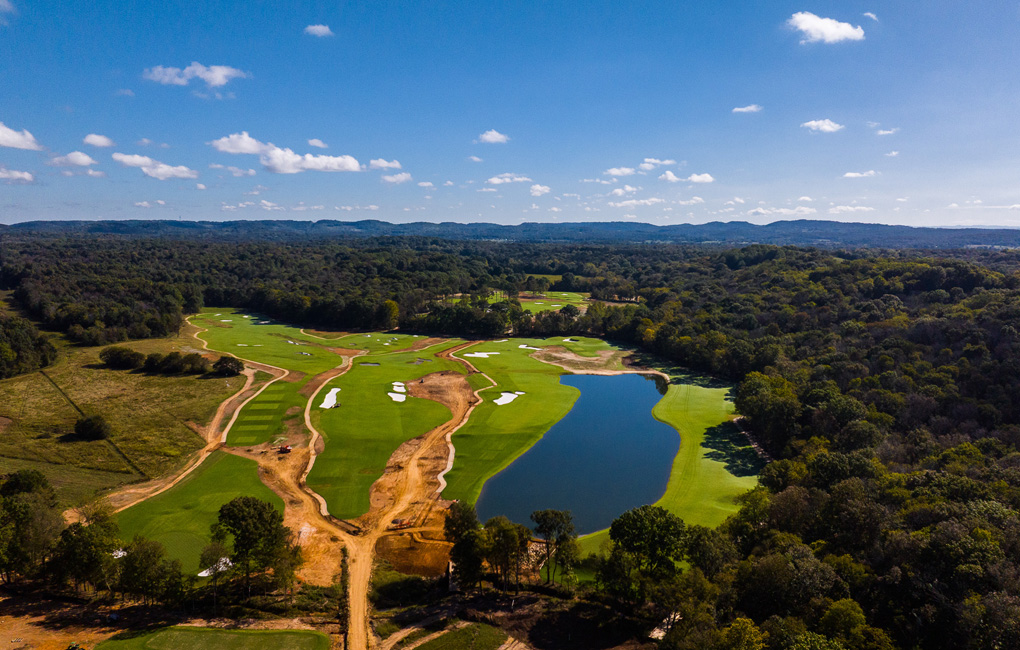
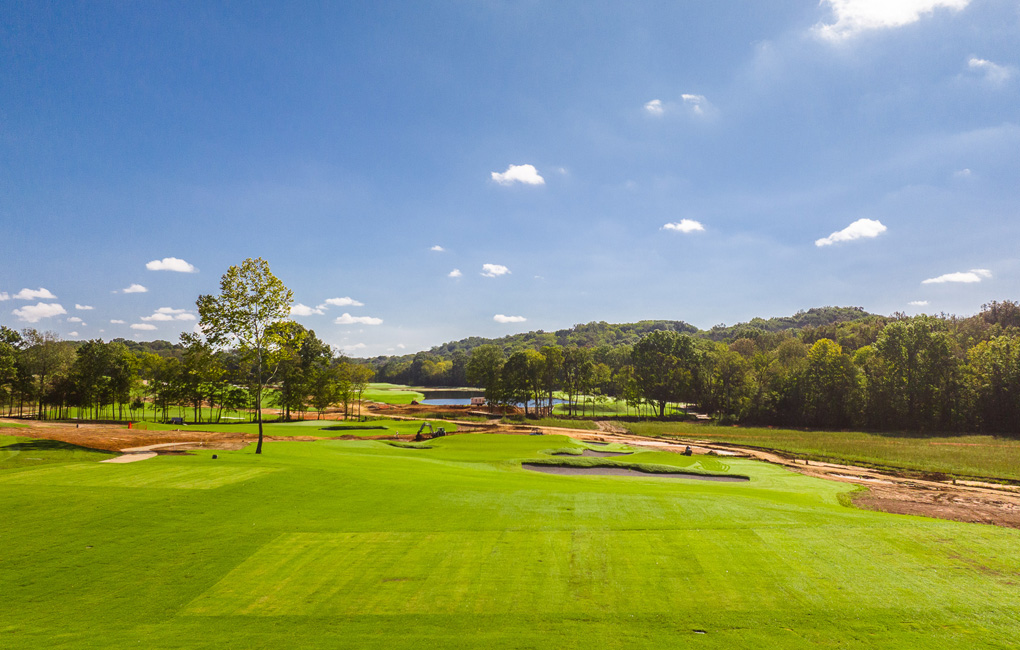
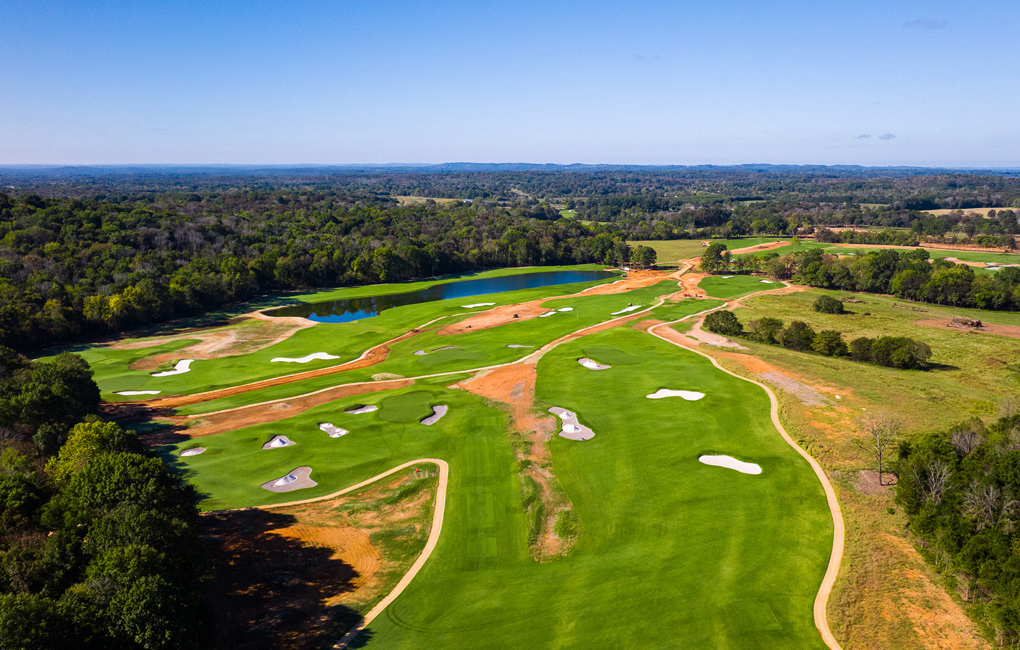
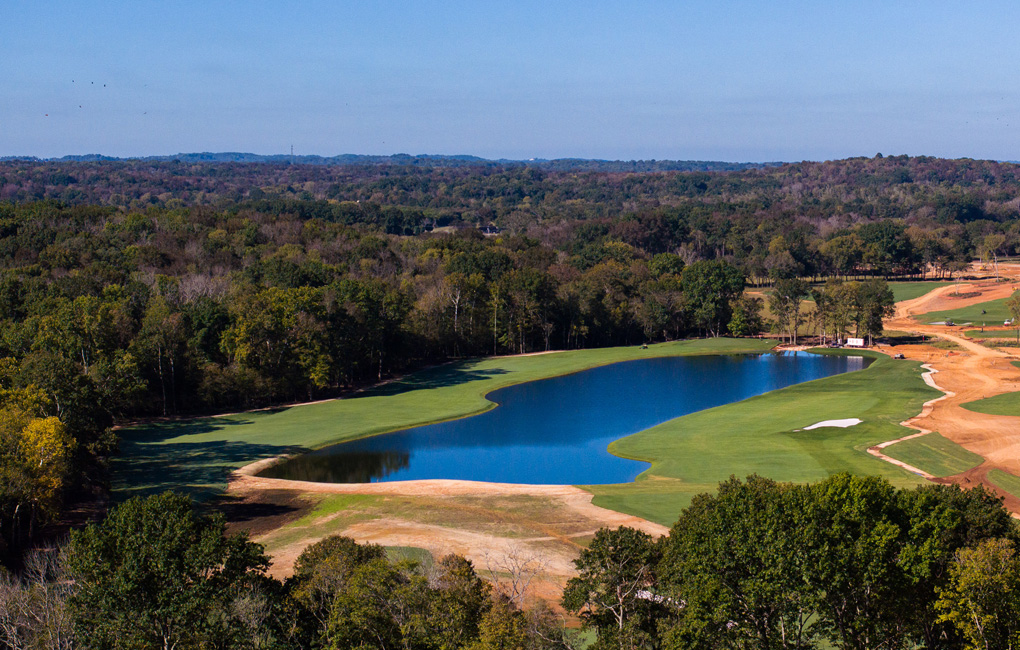
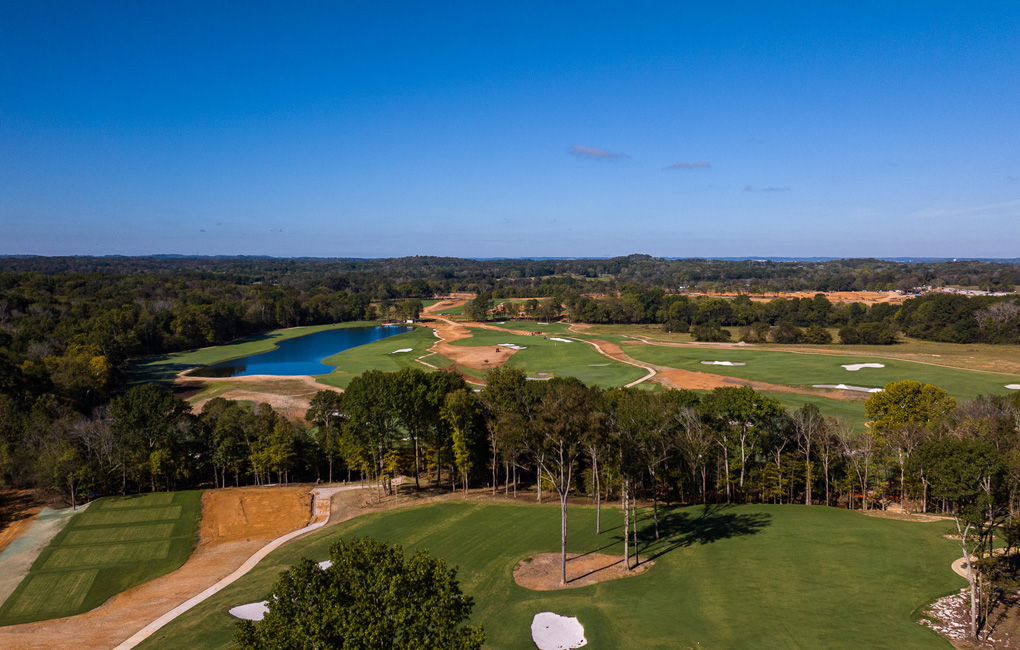
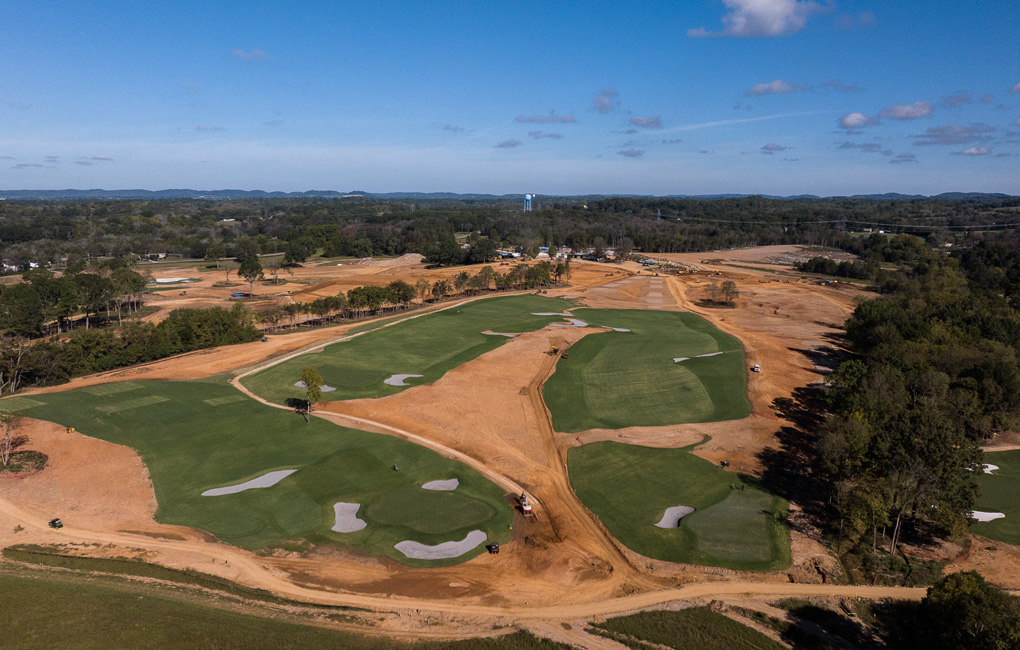
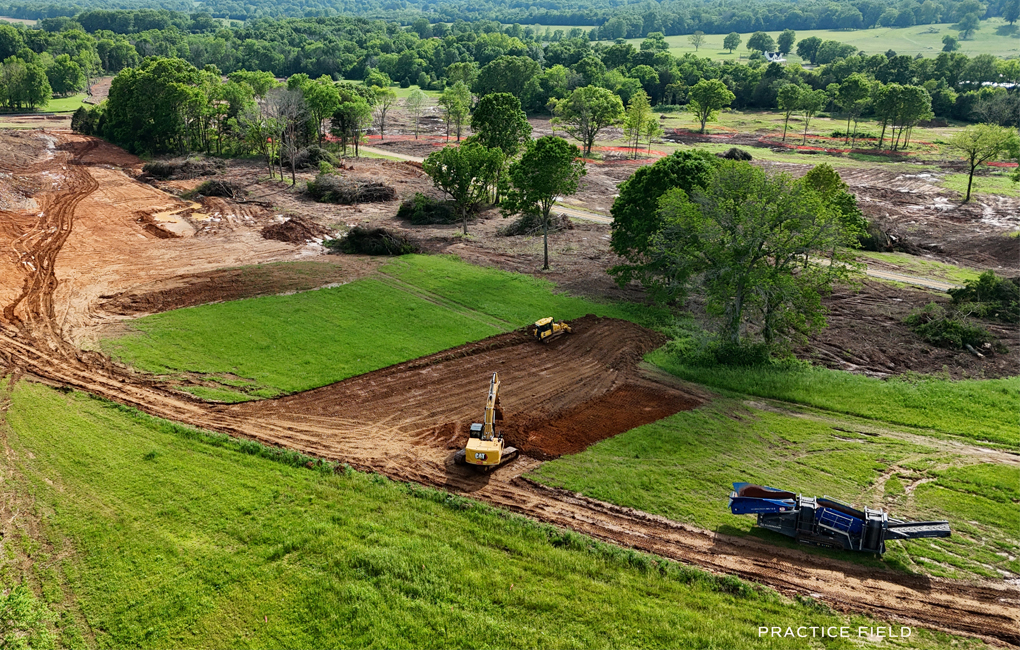
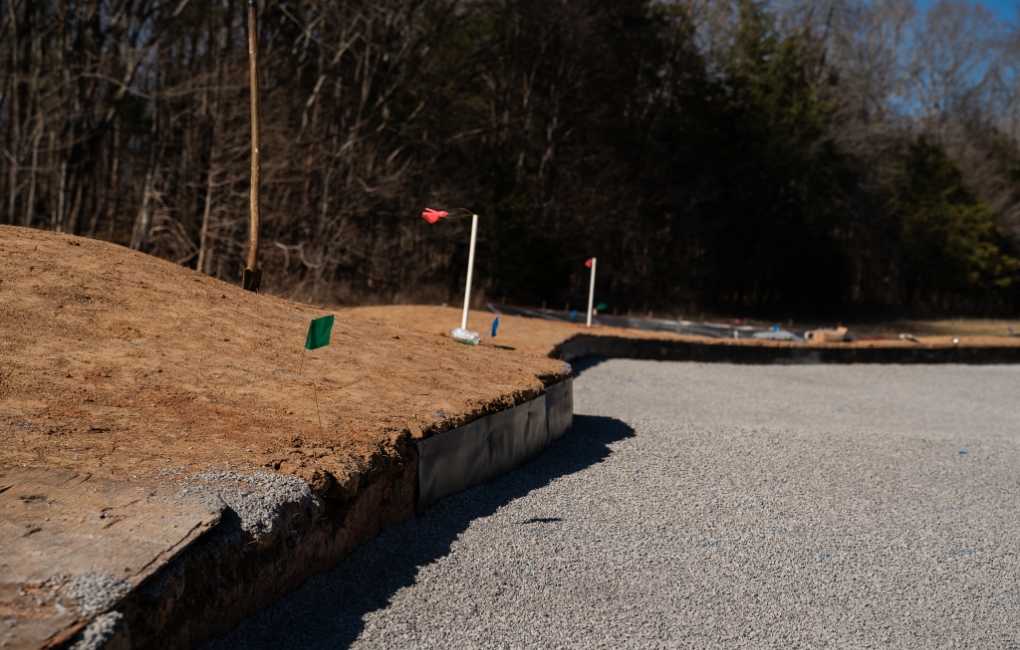
Green’s approach to Firefly began with a fundamental belief that has guided his work throughout his career: the most memorable golf courses emerge from the natural character of the land. Rather than imposing a predetermined design on the landscape, he studied the land’s contours, elevation changes and natural features to understand how the golf course should unfold.
At the heart of that vision was an elevated, expansive setting that would become the center of the community and the starting point for a journey across the property. From there, the routing began to reveal itself.
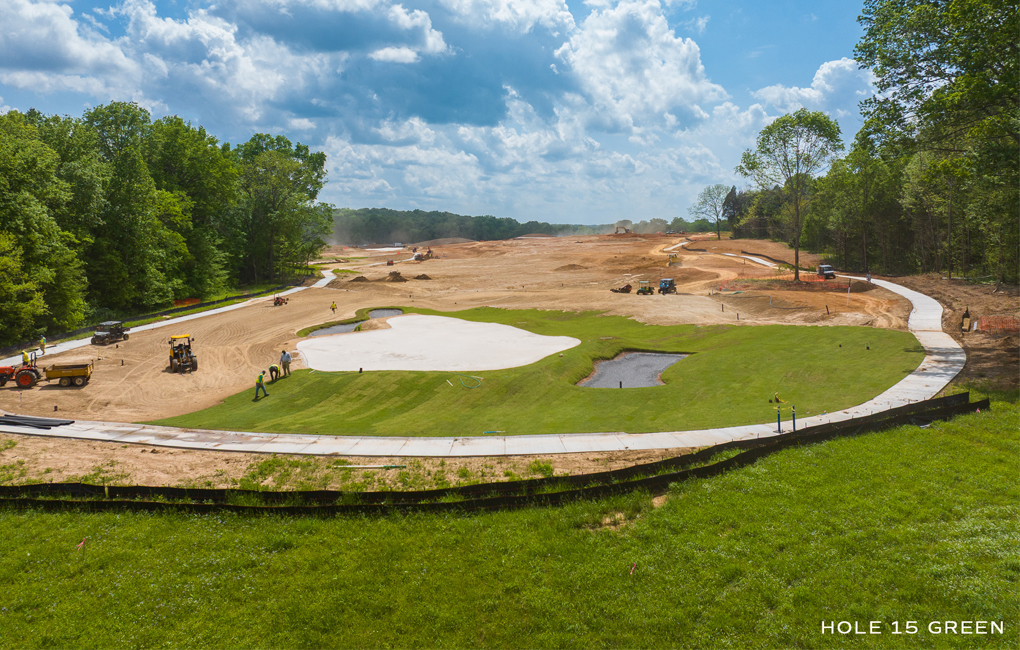
The terrain surrounding holes 3, 4 and 5 offered particularly compelling opportunities, as did the return toward the ninth and the distinctive landscape encompassing holes 12, 13 and 14. Together, these areas helped establish the rhythm and character of a course designed around returning nines.
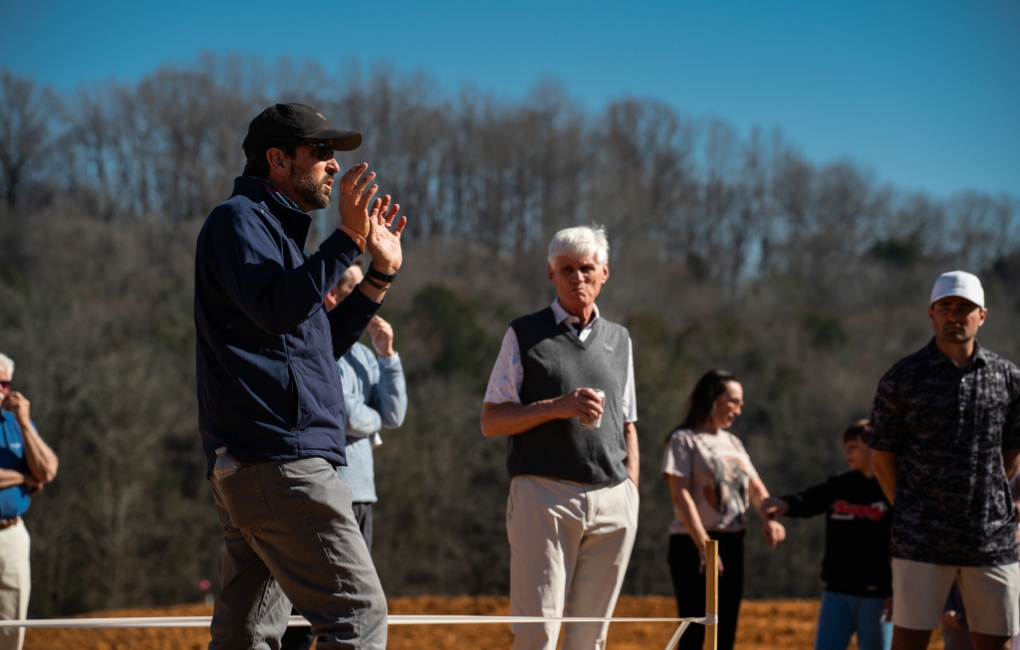
“My job was to connect the dots with the ground and the dimensions that are available, to create the golf shots you’re going to experience and enjoy,” Green explained. “The greatest golf courses in the world do that.” It is a philosophy shaped by years of studying and restoring legendary courses, where the finest architectural decisions often appear so natural that golfers can scarcely imagine the land being used any other way.
At Firefly, Green had the rare opportunity to apply those lessons to an entirely new canvas.
Thirty Years of Experience, One Original Vision
Green’s reputation was built through the thoughtful restoration of historic courses, including Oak Hill, Congressional, Inverness, Interlachen and East Lake. His work has required an understanding of the architectural principles that made these venues exceptional, along with the discipline to honor their original design intent.
Firefly presented an entirely different creative opportunity.
“For me, working on these historic courses, it became this idea that the original design intent and the integrity of these places needed to be respected, not covered over,” Green shared. With an original design, however, he could draw upon those decades of experience while exploring ideas that had previously been constrained by the responsibility of preserving another architect’s work.
“Maybe there was some constrained enthusiasm and creativity that I hadn’t been able to tap into, because I’ve been trying to respect these amazing courses that I’ve been renovating and restoring.” The result is a course that reflects both the influence of golf’s great architectural traditions and Green’s own interpretation of how the game should be experienced. Yet he is quick to direct credit toward the land itself and the team responsible for bringing the vision to life.
That humility is evident in his assessment of the finished course. When recalling the development team’s original ambition to build the best golf course possible and allow everything else to follow, Green offered a simple conclusion:
“I think we did it.”
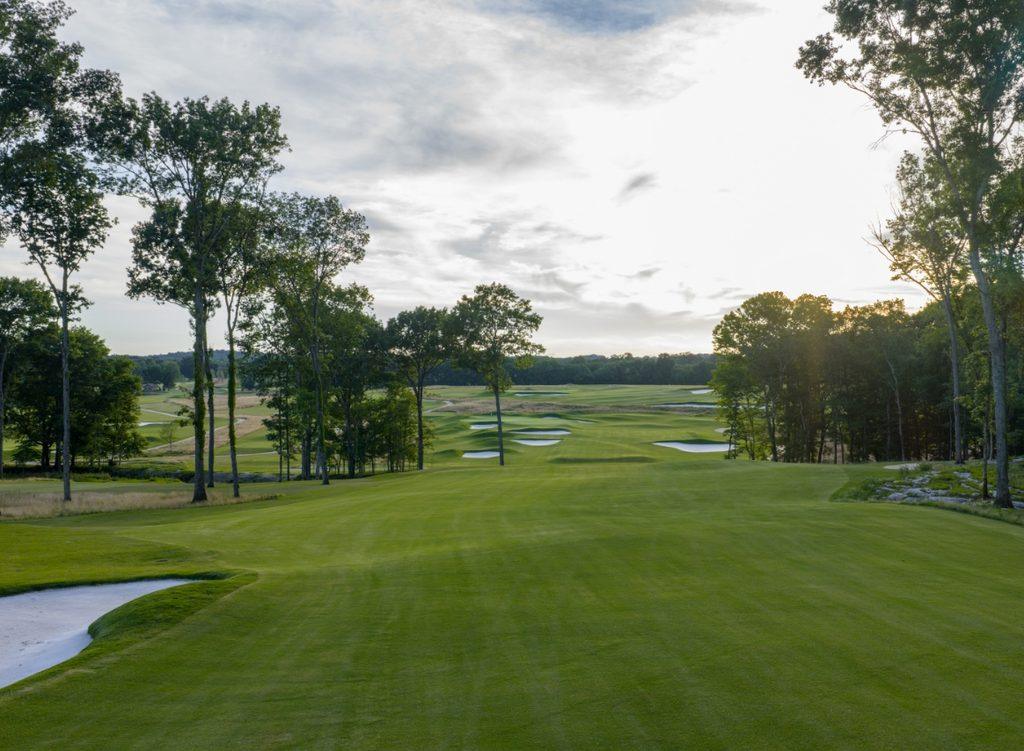
“The greatest success of any of this is for you to come have a ball, enjoy playing the game of golf, and want to come back and play it again,” he said. “That’s really what we‘re striving for.”
Eighteen Holes, Endless Possibilities
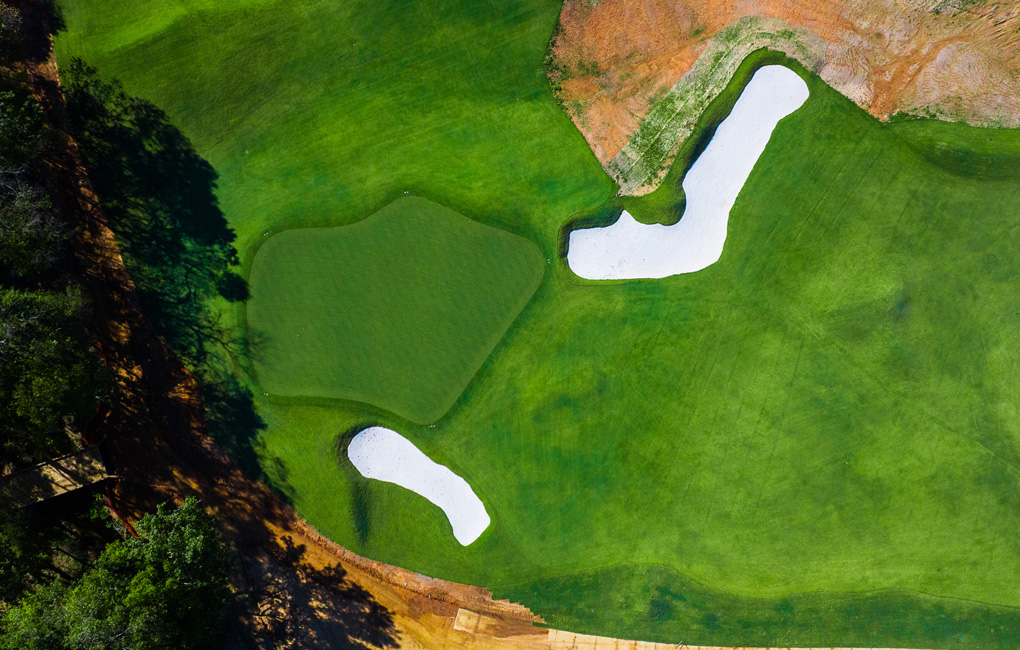
One of Green’s greatest priorities at Firefly was creating a course that would reward repeated play. Rather than relying solely on dramatic features or visual spectacle, he sought to introduce strategic choices, variety and an element of discovery that would make each round feel different. Central to that approach are greens with distinct personalities, carefully considered contours and hole locations that influence how golfers approach each shot.
“Greens with a lot of personality, but not overcooked, is certainly something we strive for here,” Green said. “You can play this golf course every day for a month and I don’t think you’re going to experience the same thing, because the hole locations matter.”
Wind, weather, approach angles and the quality of a player’s previous shot all contribute to the experience. A hole that offers a birdie opportunity one day may present a far more demanding challenge the next. For Green, that variety is essential to the enduring appeal of a great golf course. Equally important is the sequence of the holes and the way individual moments build into a memorable round.
He is particularly enthusiastic about holes 6 through 9, which he believes will surprise golfers who have experienced only portions of the course during preview play. “I’m incredibly pleased with how those turned out,” he shared.
And while Green resists naming a single favorite hole, he acknowledges that the 14th stands apart.
“It’s undeniable that the complexity, beauty, and dynamics of the 14th are probably as unique as anything out here.” His greater hope is that golfers will finish their rounds with different favorites, each having discovered something that resonates personally.
The Beauty of a Challenge
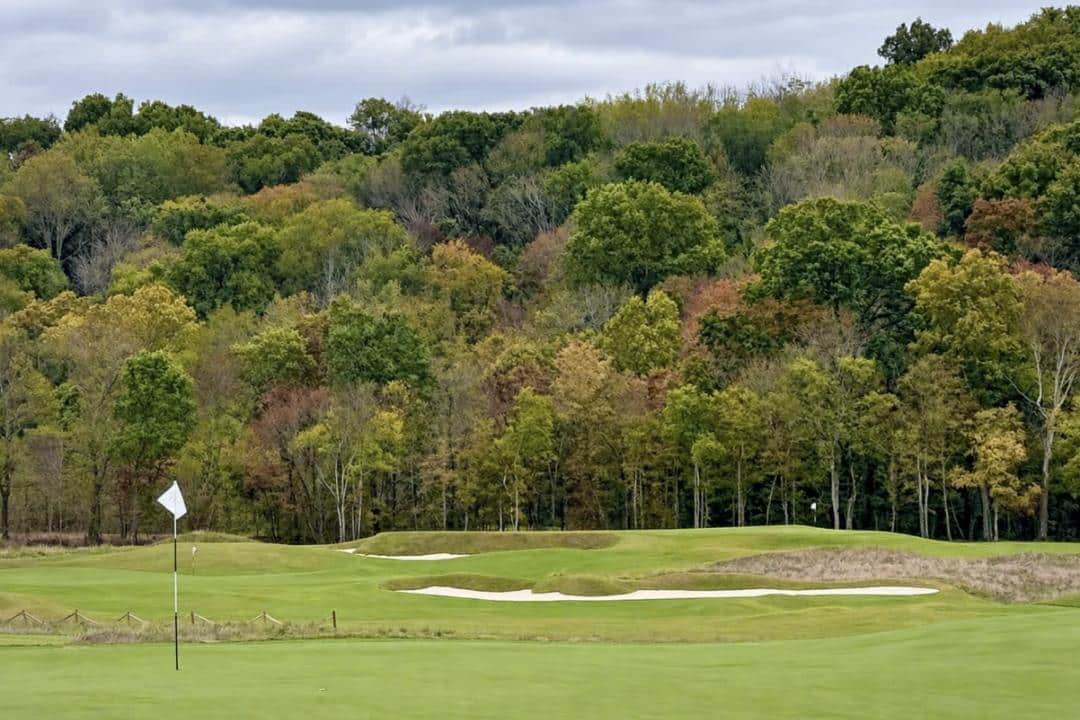
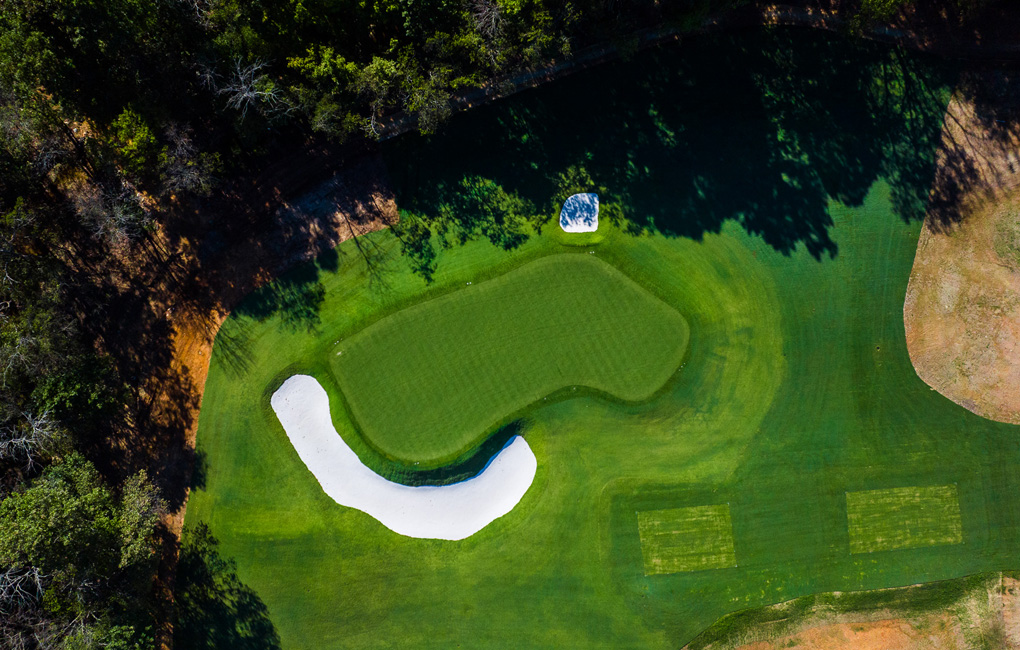
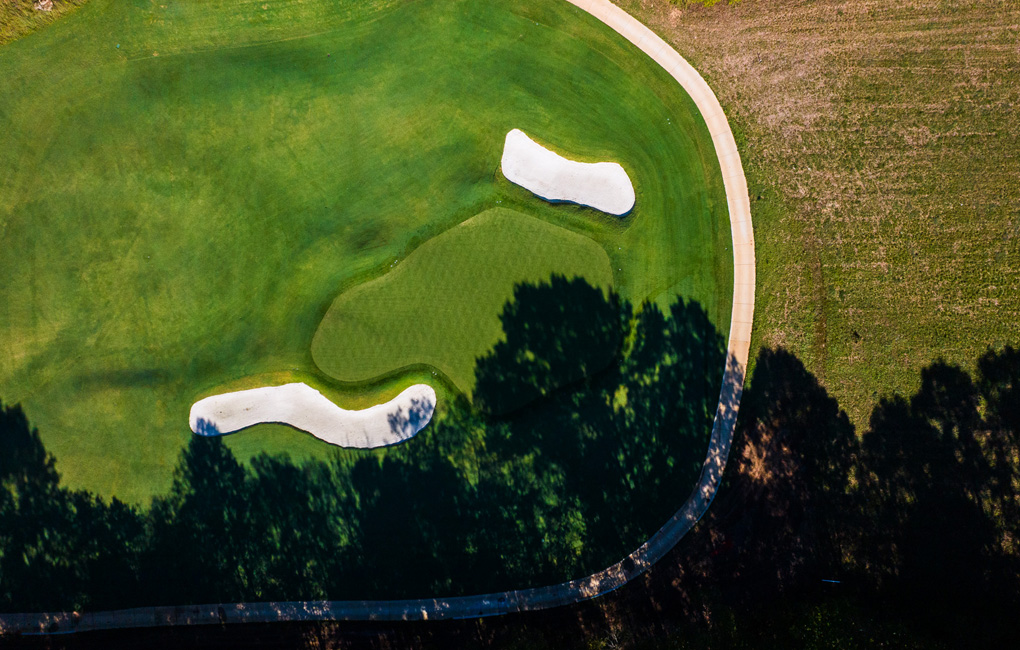
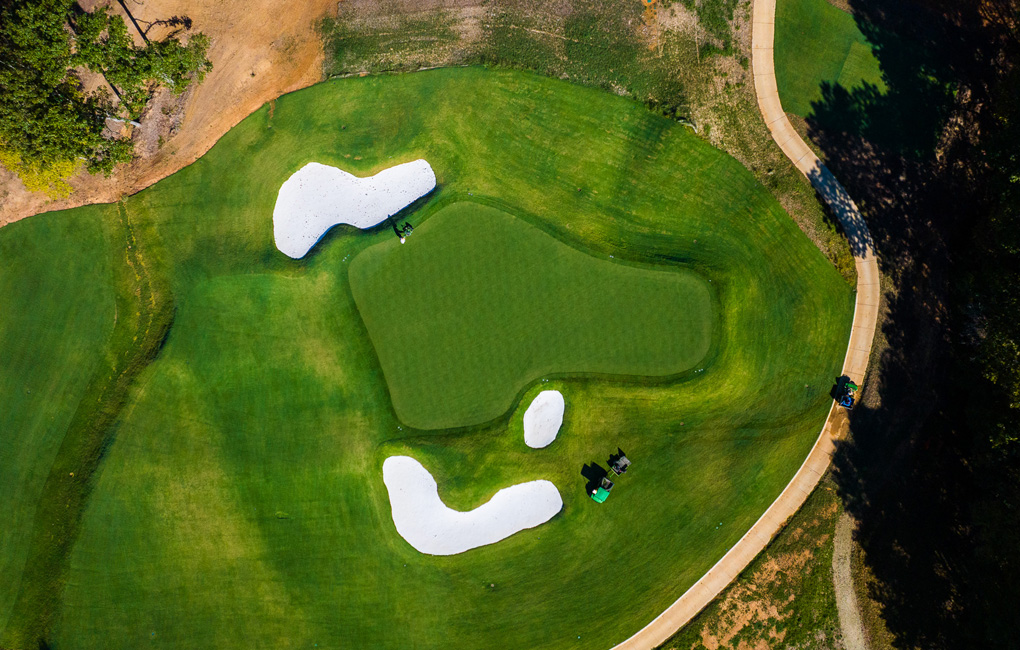
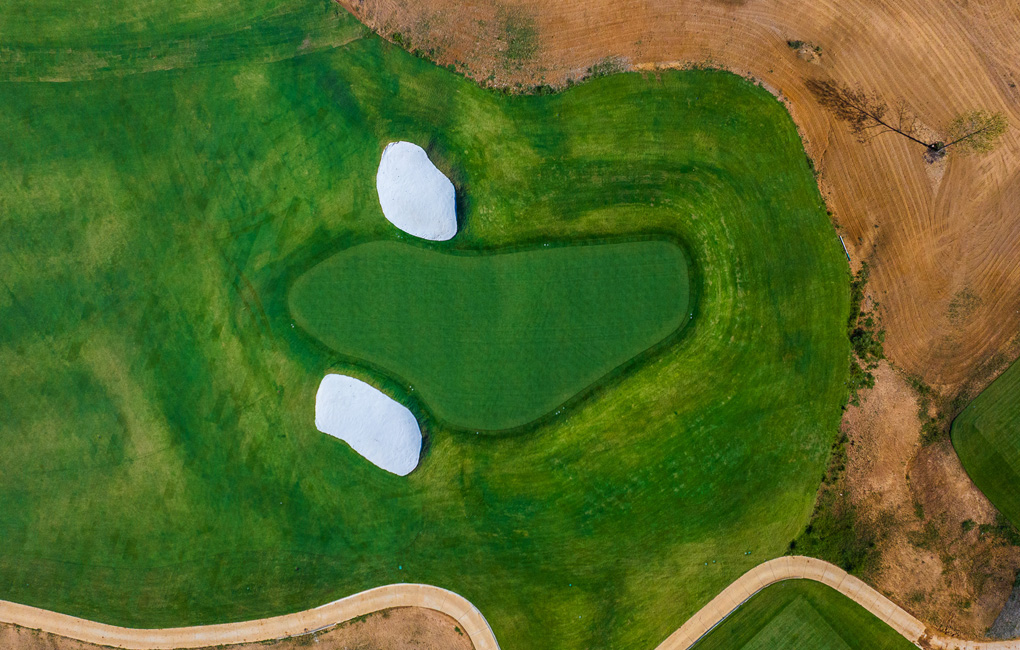
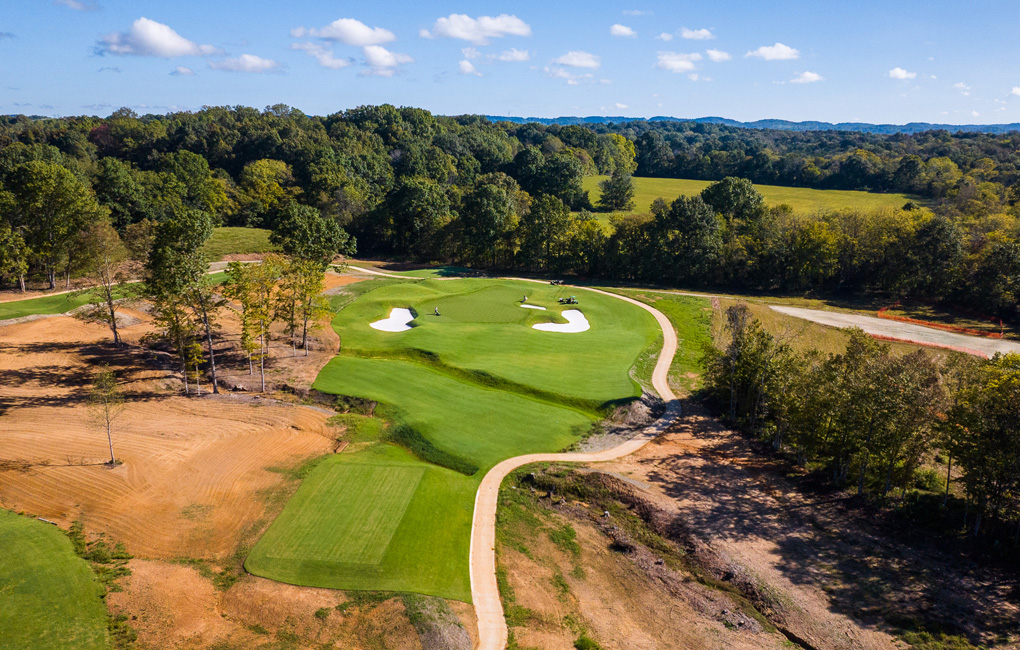
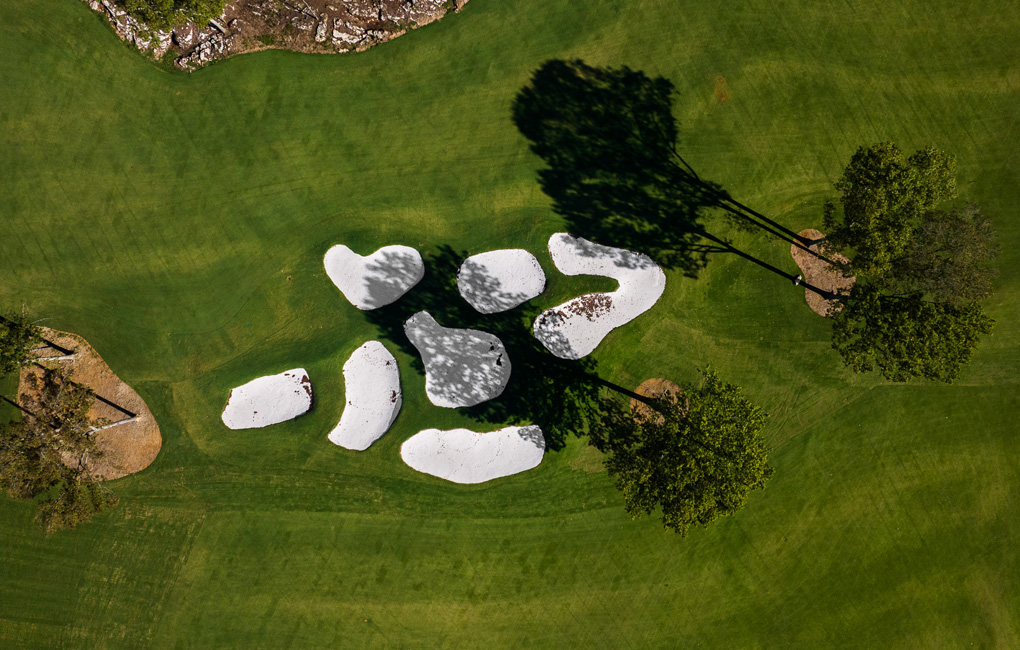
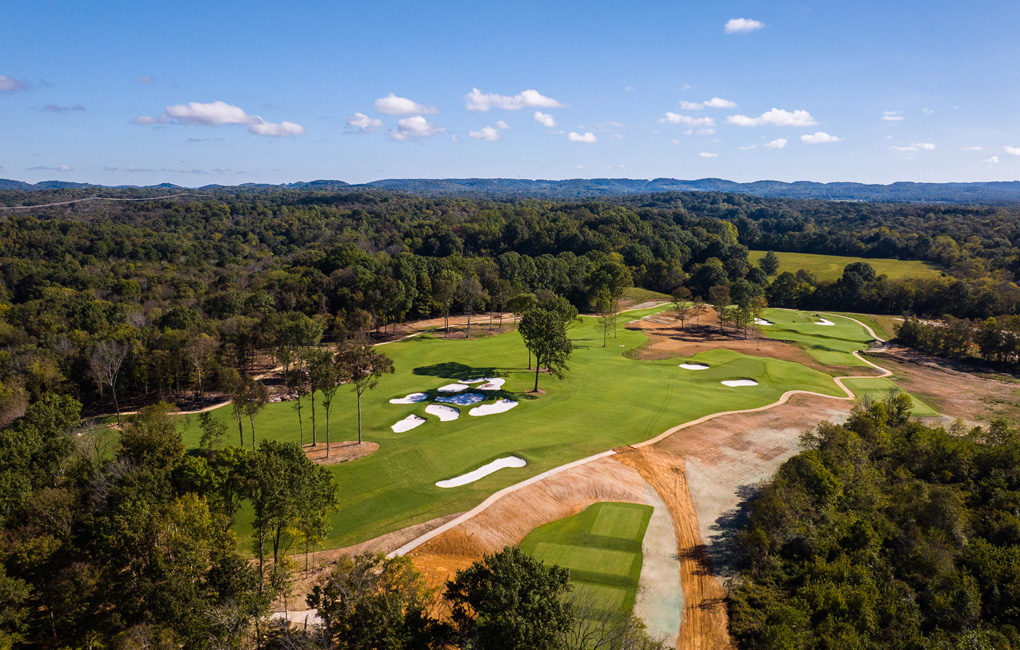
Green believes memorable golf should inspire a full range of emotions, including the occasional moment of apprehension. The fourth hole, a short par 3 featuring a formidable right-side bunker, offers a particularly vivid example.
Designed to make golfers think carefully about their shot selection, the bunker presents a recovery challenge that Green readily admits is exceptionally difficult.
“The number one goal is: don’t hit it there,” he said with a laugh.
But the difficulty serves a larger purpose. For the player who manages to escape the bunker and save par, the accomplishment becomes a lasting memory.
“If you hit it in that bunker and you make a 3, it’s going to live with you.”
That philosophy extends across Firefly’s collection of par 3s, each designed with a different personality, length and strategic challenge. For Green, these moments of risk, reward and occasional frustration are part of what gives a golf course its character. Over time, they become the experiences golfers recount with friends, the shots they remember and the challenges they look forward to attempting again.
It is how a new golf course begins to develop a history of its own.
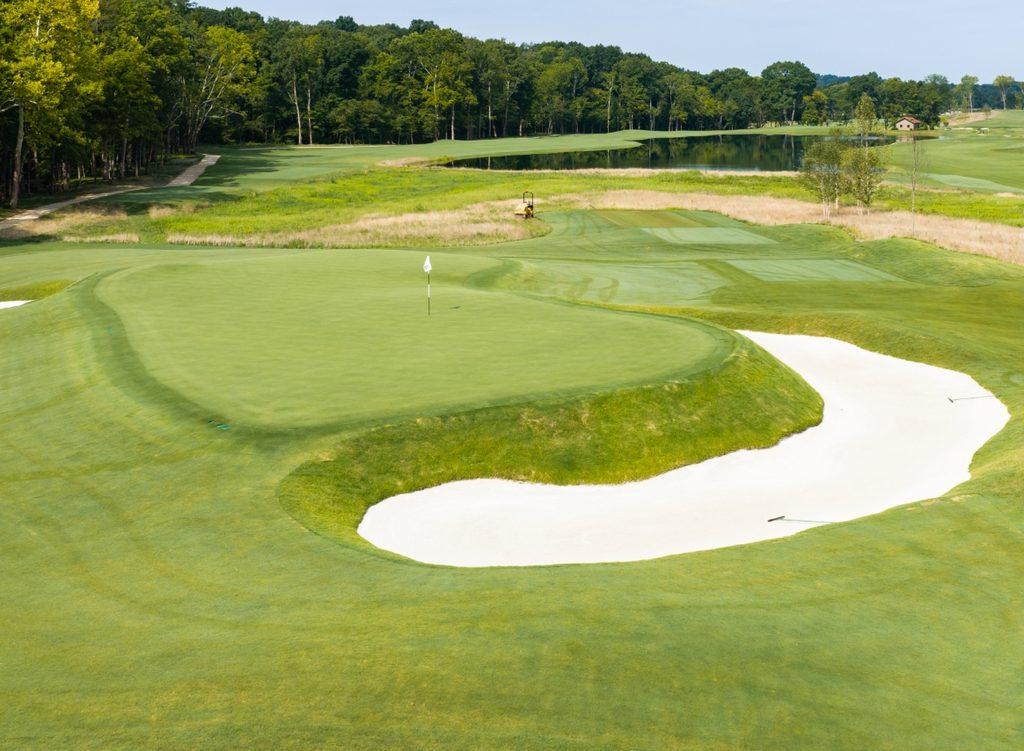
“The number one goal is: don’t hit it there,” he said with a laugh.
A Short Course with a Big Role to Play
While the championship course represents a defining achievement in Green’s career, Firefly’s nine-hole short course holds an equally important place in his vision for the community. Conceived as a lively, welcoming setting for golfers of varying ages and abilities, the short course was designed to offer a different kind of experience while maintaining the same architectural thoughtfulness found on the championship layout.
“As for the short course, it was important that it be a hub of activity and energy: a park some days, a serious golf course some days, but a place where you can appreciate being outside and have a low-stress golf experience.” That flexibility is central to its appeal.
For experienced golfers, the short course offers opportunities to sharpen their skills, experiment with different shots and enjoy spirited competition. For beginners, younger players and families, it provides an approachable introduction to the game in a relaxed setting. But Green is emphatic that accessibility should never come at the expense of quality.
“It’s not just nine holes of stuff. There are legitimate, strategic, fun, dynamic golf shots on it.”
The short course is intended to become a natural gathering place within Firefly, where a quick round can be as much about enjoying the company and the setting as it is about the score. In many ways, it reflects a broader vision for Firefly itself: a private club community where golf is exceptional, but the enjoyment of time spent together is equally important.
The Beginning of Something Enduring
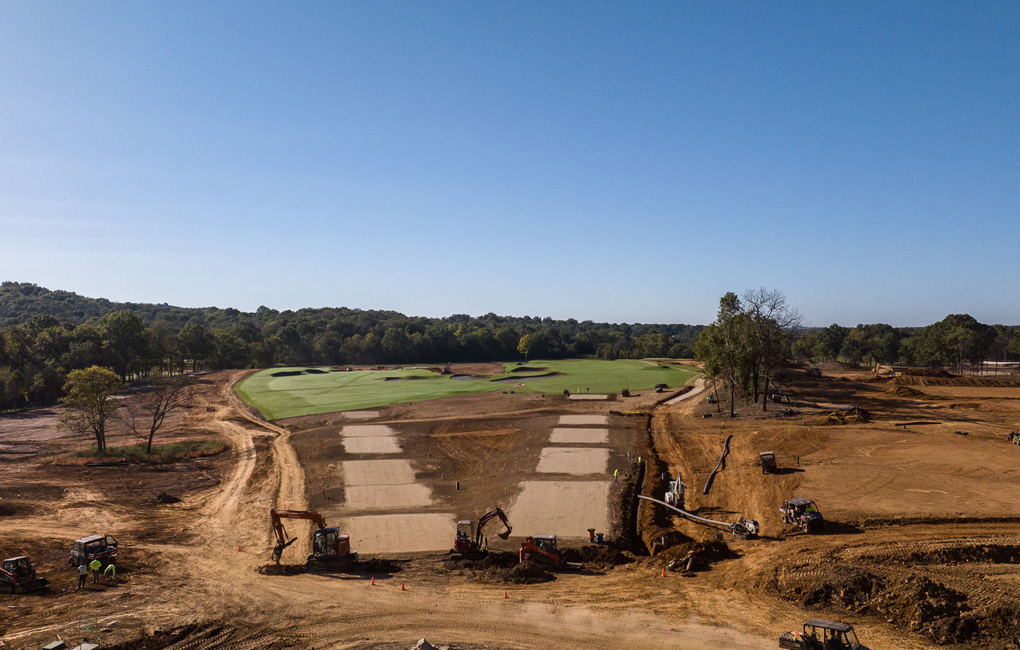
For all the thought, expertise and ambition invested in Firefly, Green understands that a golf course is never truly finished on opening day. Courses mature. Playing conditions evolve. Golfers discover new strategies, and architects learn from the ways their designs are experienced over time.
That evolution is part of the game’s appeal. What matters most to Green is whether Firefly delivers the qualities that have distinguished great golf courses for generations: a natural relationship with the landscape, compelling strategic choices, memorable holes and an enduring desire to return.
“The greatest success of any of this is for you to come have a ball, enjoy playing the game of golf, and want to come back and play it again,” he said. “That’s really what we’re striving for.”
For an architect whose career has been devoted to preserving the character and legacy of historic courses, Firefly represents the opportunity to create something that will develop a legacy of its own. The first rounds have begun. The course is revealing its personality. And with every memorable shot, spirited match and shared afternoon, a new chapter in Green’s architectural career is taking shape.
For Andrew Green, Firefly is a dream realized. For those who will play it for generations to come, the experience is just beginning.