Golf

COURSE TOUR preview
EXCELLENCE at every hole
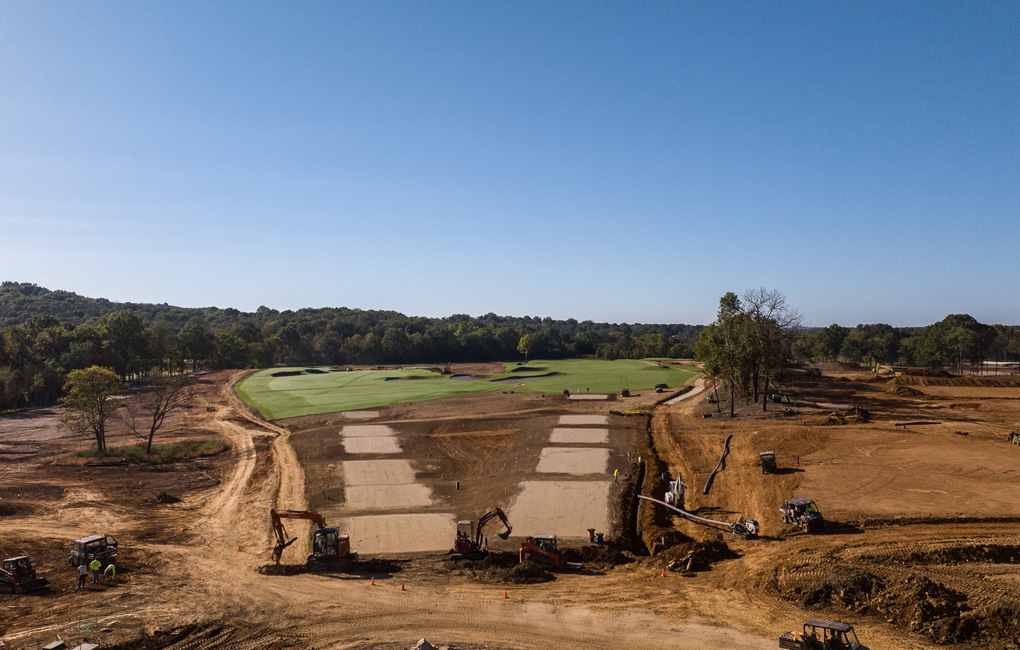
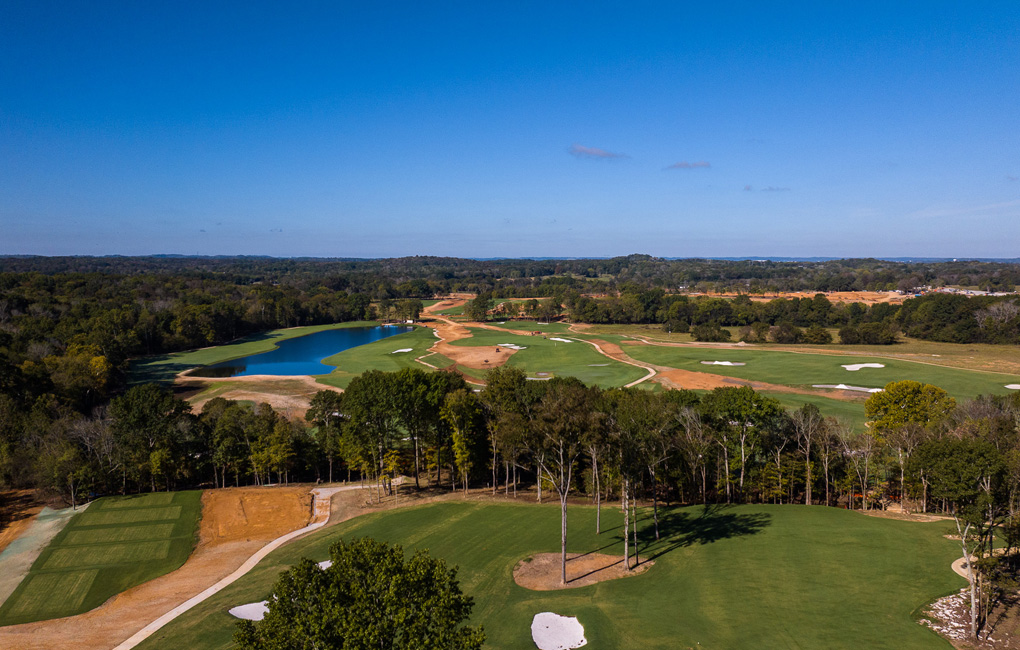
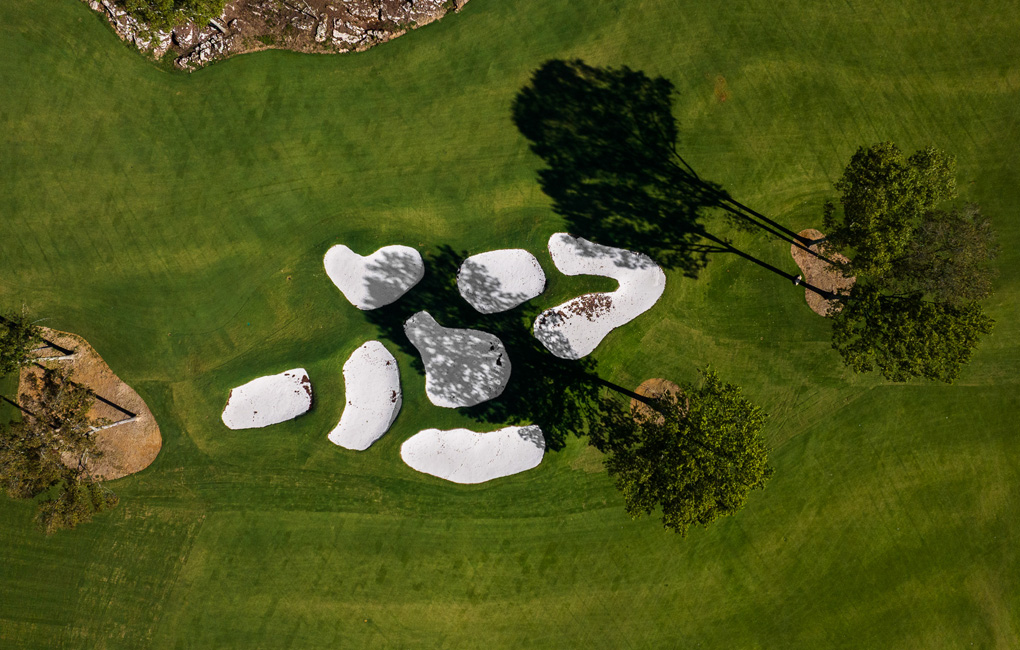
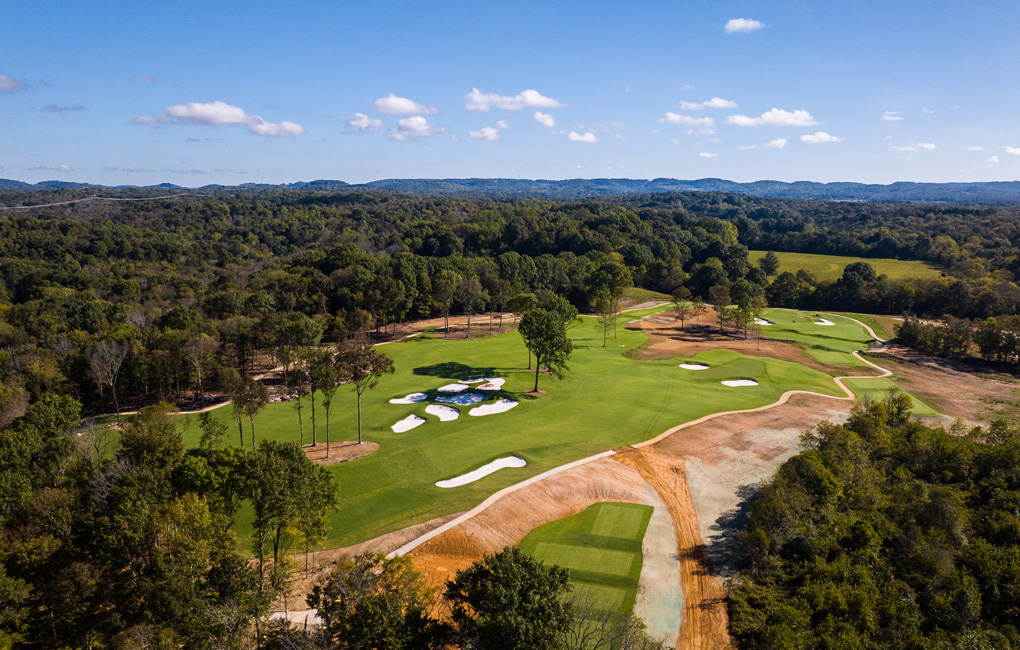
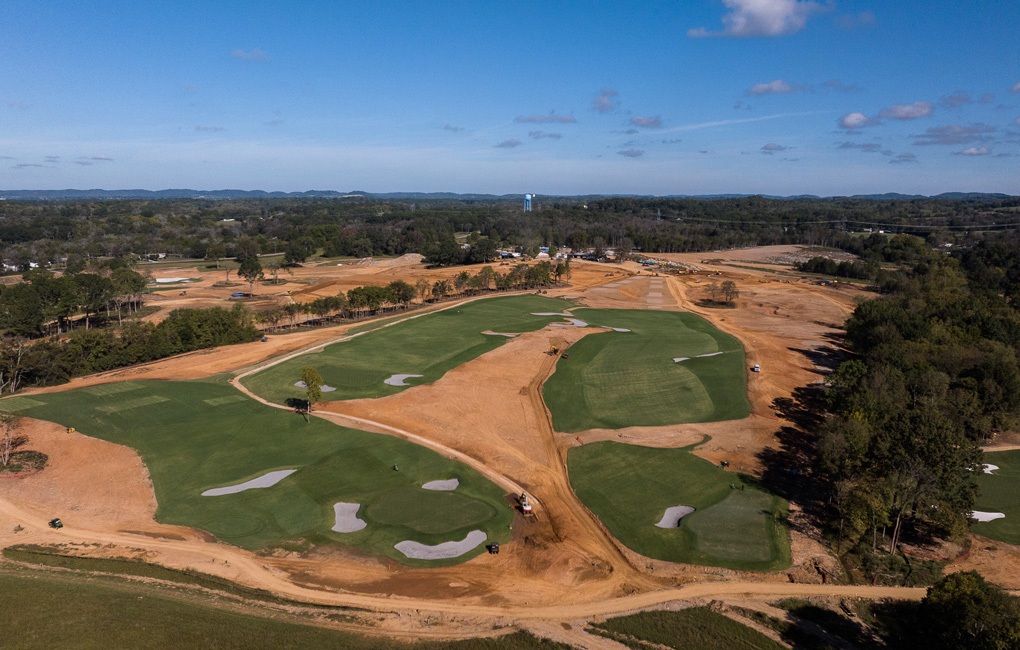
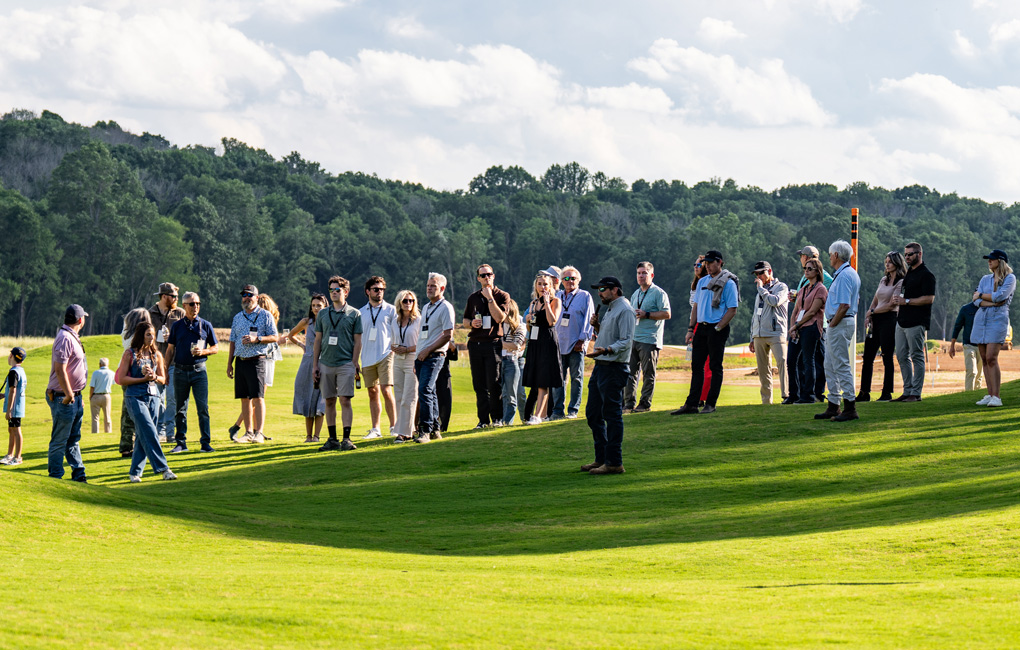
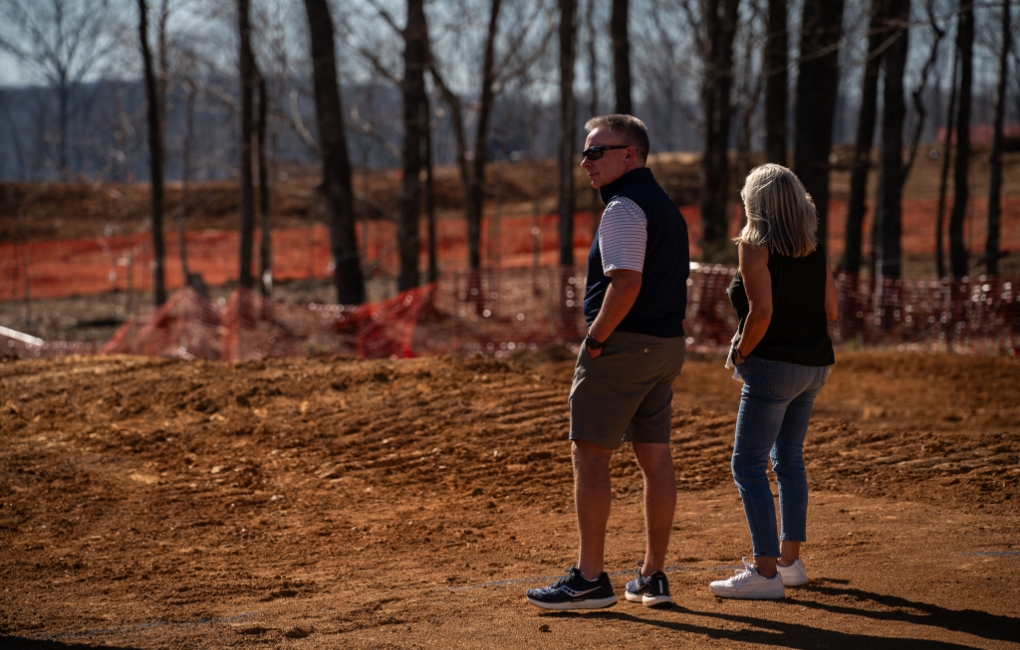
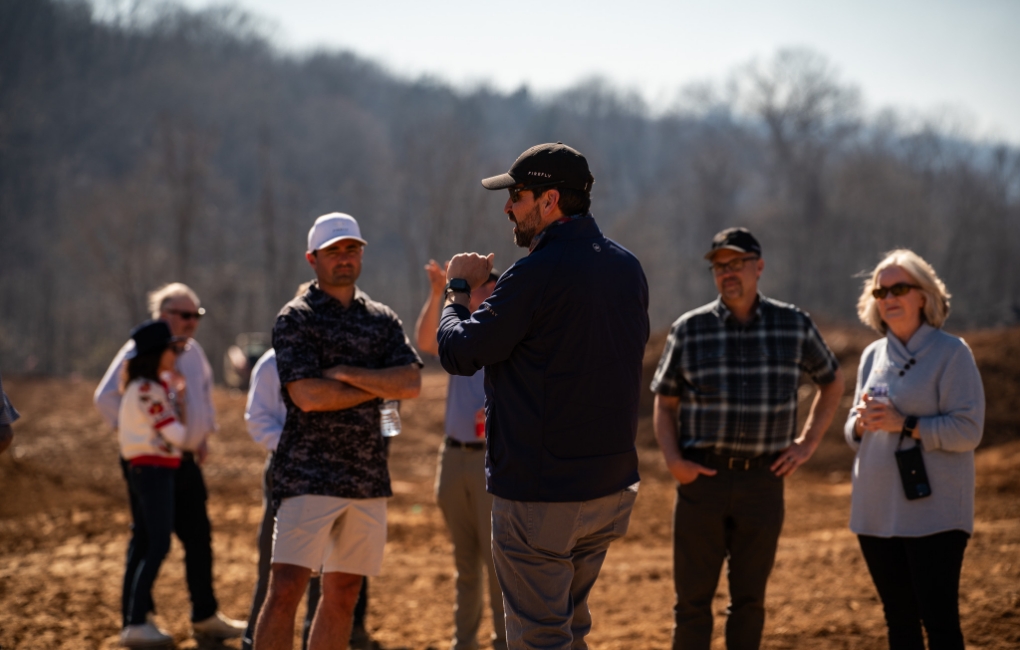
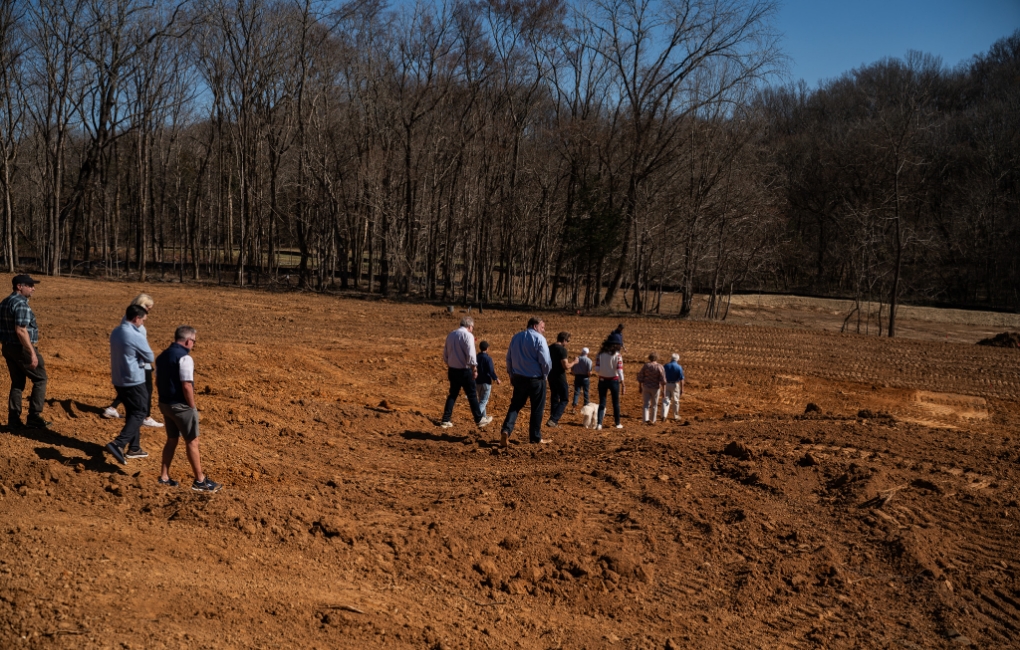
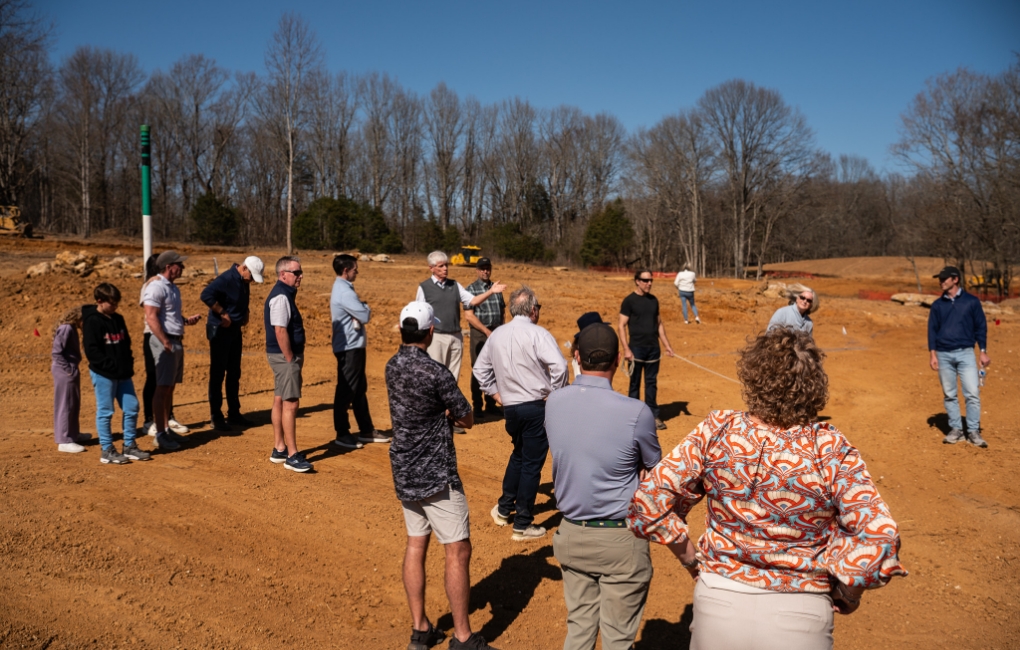
Preview these golf holes currently under construction and see the course coming to life.


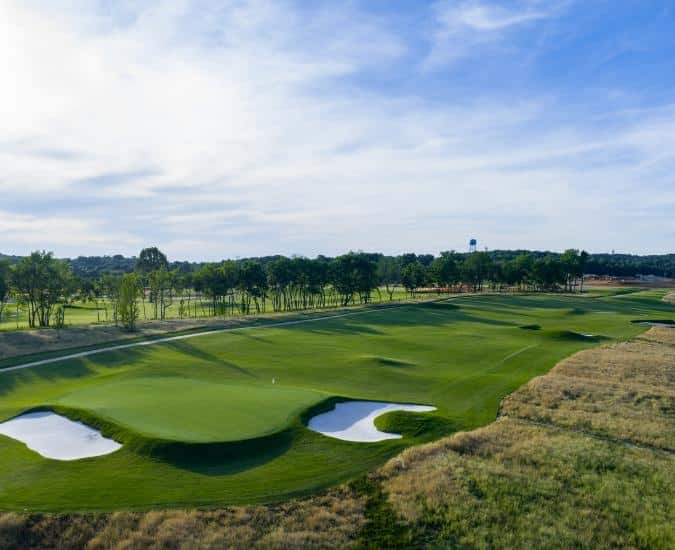
425 YARDS
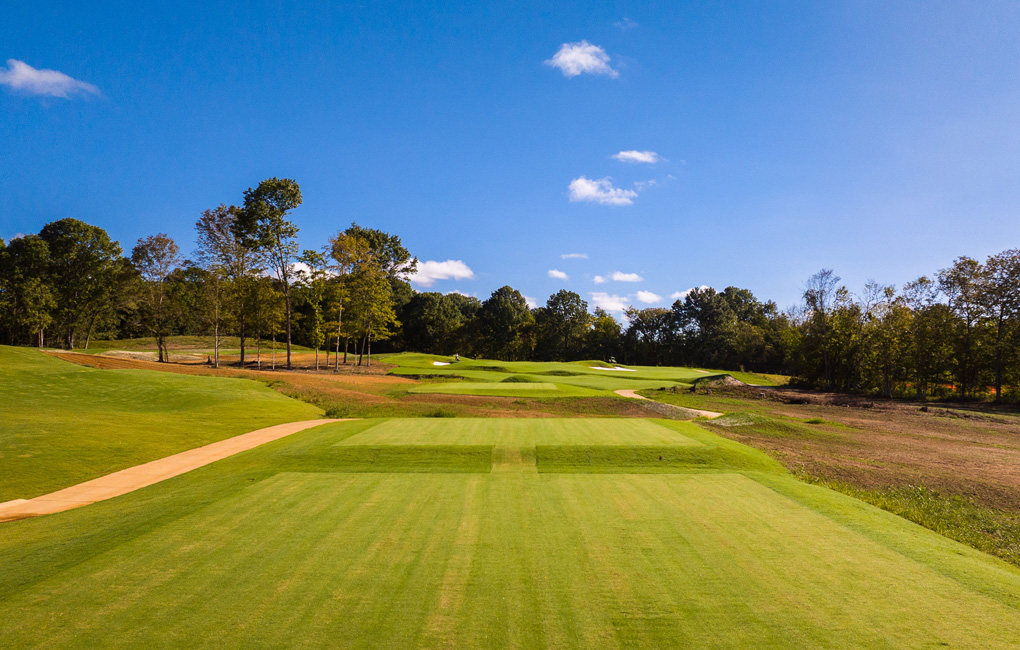
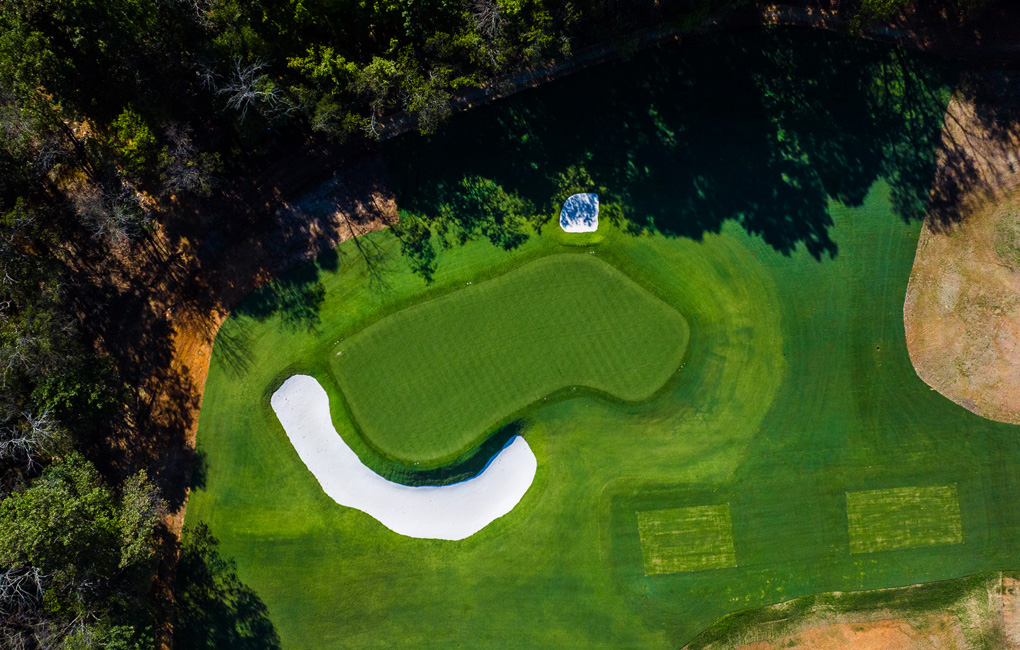
The opening hole sets the tone immediately, asking the player to think rather than simply swing. From the tee, the preferred line flirts with trouble down the left, rewarding a drive that holds its ground and opens the best angle into the green. The safer right side is guarded by a solitary mound that subtly obscures the approach and dulls the angle of attack.
The green is full of quiet movement. A kick slope in the front right feeds properly shaped shots toward interior hole locations, while a shallow trough short left gathers anything under-struck or timid. A bunker protecting the left and rear reinforces the value of position off the tee and precision on approach. It’s an opening hole that introduces Firefly’s strategic voice—simple on the surface, thoughtful underneath.

180 YARDS
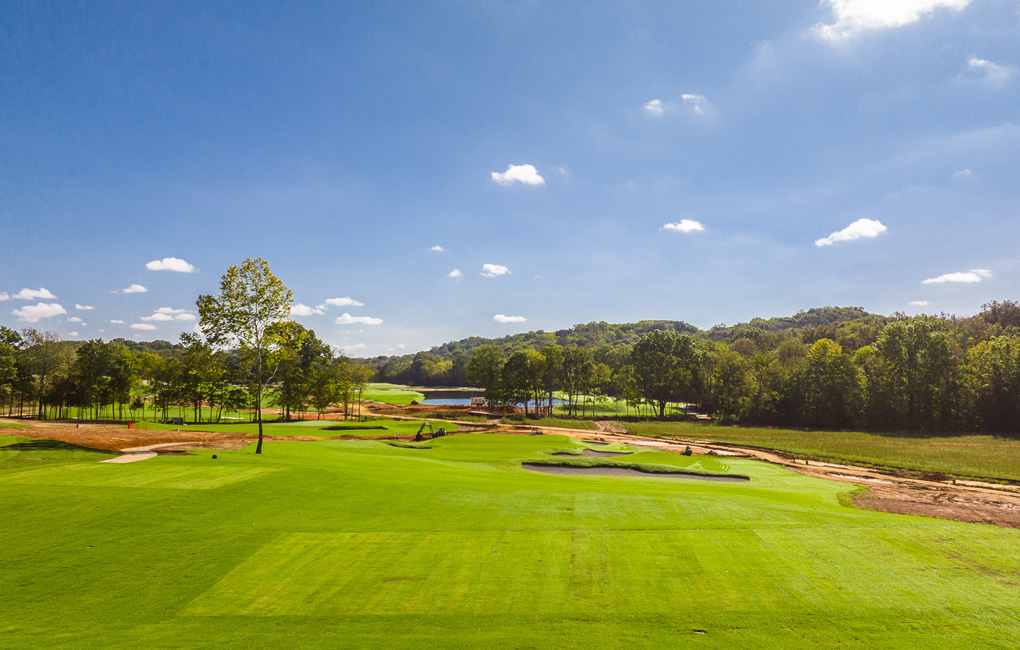
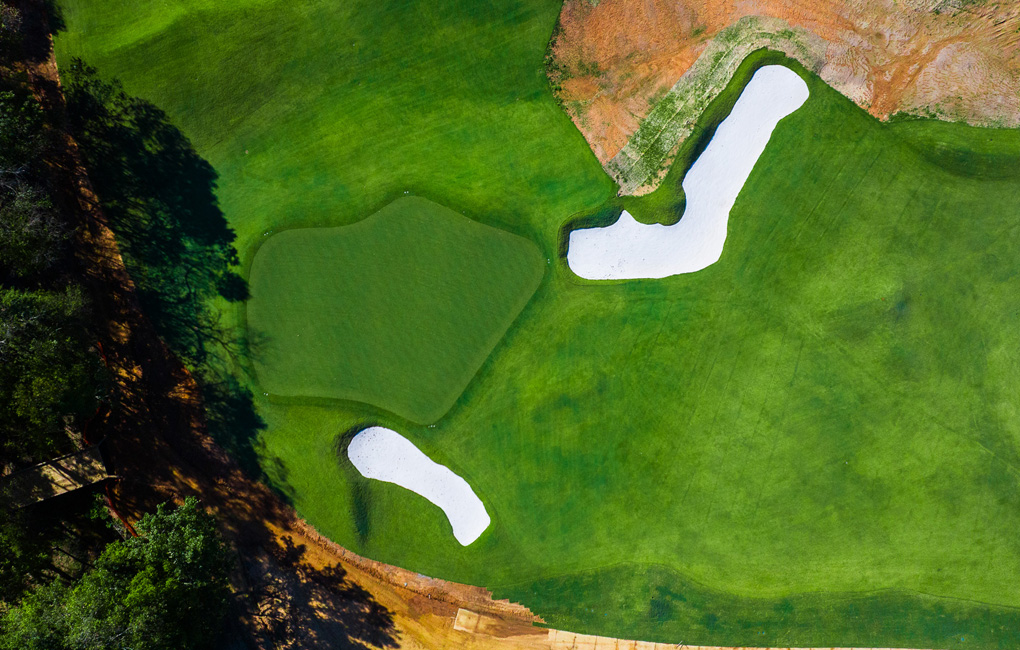
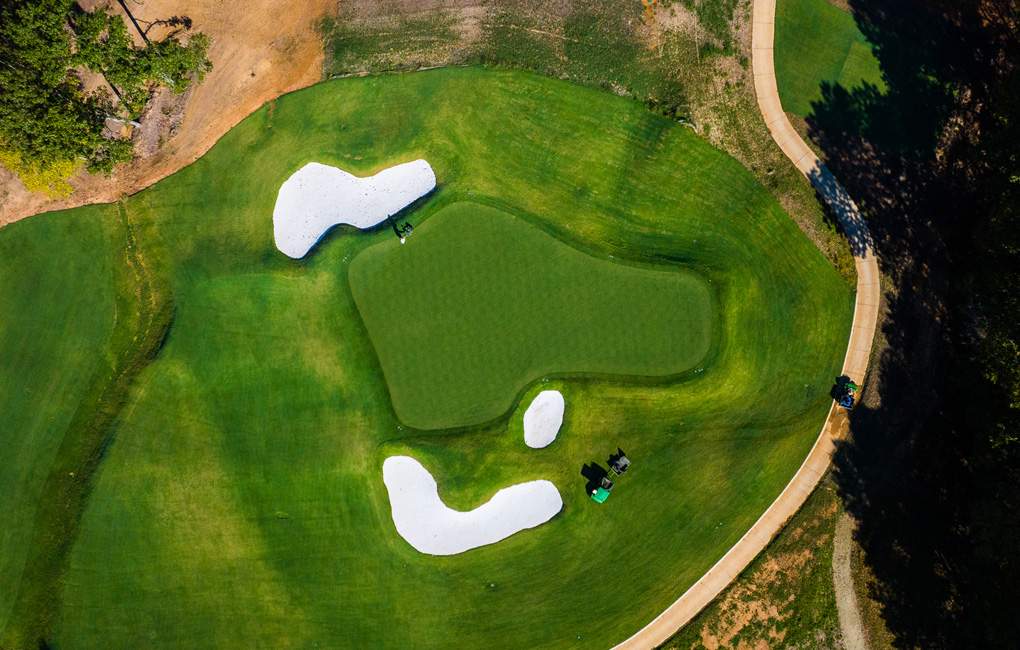
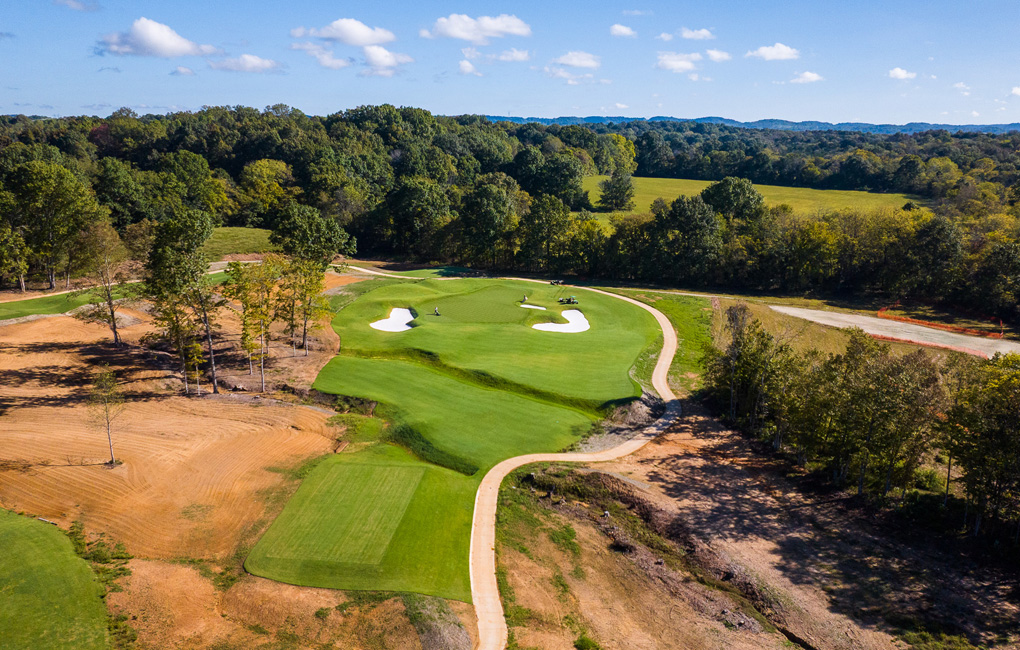
This short-to-medium par three plays dramatically downhill, offering one of Firefly’s most striking tee shots and a view that momentarily tempts the player into complacency. Scale becomes the first challenge. A bunker set well short of the green distorts depth perception and gives pause in the actual yardage, asking for trust rather than guesswork.
The green is tightly defended. Bunkers front right and left are positioned to collect anything less than fully committed, while a bunker along the back right captures shots that misjudge the elevation change. Once on the putting surface, variety takes over. The green is spread across two distinct levels, creating a wide range of hole locations and ensuring the hole plays differently day to day. It’s a par three that blends beauty with precision, demanding clarity of decision from the tee.

590 YARDS
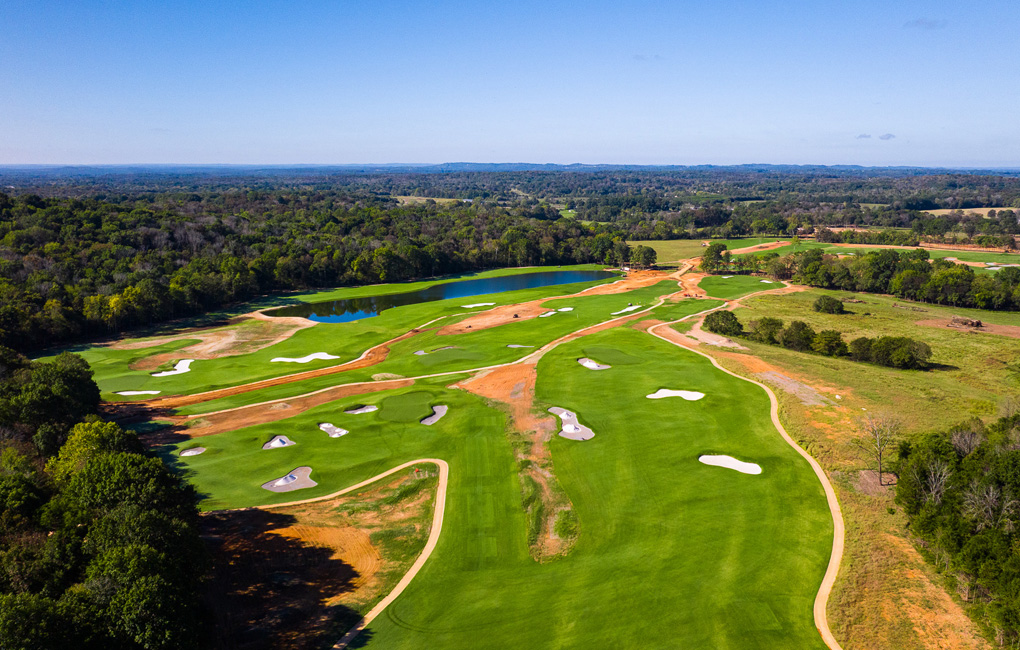
The first of three par fives on the front side, this hole introduces a different rhythm early in the round. For most players it is a true three-shotter, but a powerful drive played up the left challenging the bunkers that sweep in from that side can create the possibility of reaching in two. If getting home in two is not a realistic option, the prudent play from the tee is to lay back short of the bunkers, keeping the ball in play and eliminating unnecessary risk. Water defines the entire right edge, ensuring that anything leaked in that direction is wet and final.
The second shot is all about position. Finding the proper section of fairway is critical to securing the best angle into the day’s hole location, as the green’s contours naturally feed toward the center. Pins set near the edges are deliberately more demanding. A large bunker guards the primary lay-up zone, while a sprawling bunker holds the right side of the approach and a greenside bunker protects the left. Miss the green and the hole reveals its depth—short grass spilling out the back and back right provides a wide range of recovery options, allowing the creative player to choose how bold or conservative the next shot should be.
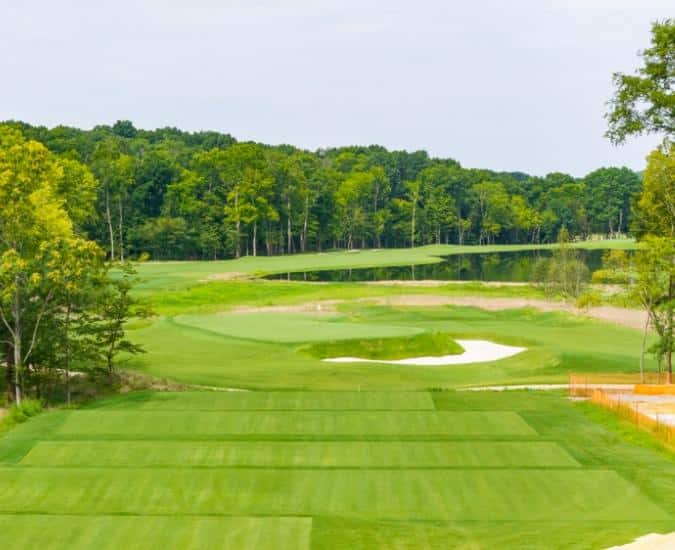
160 YARDS
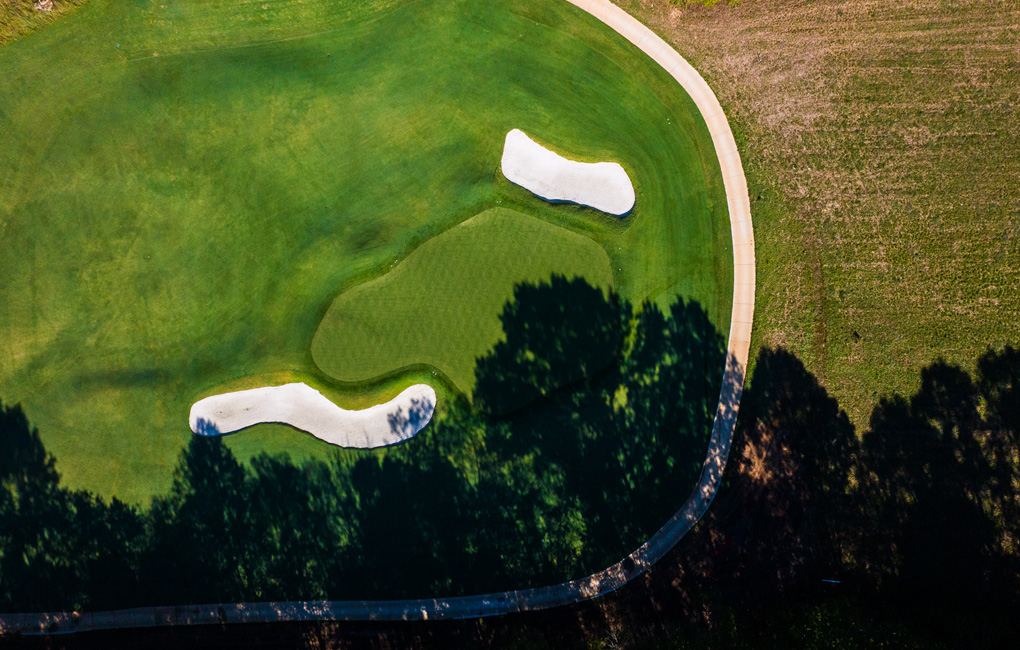
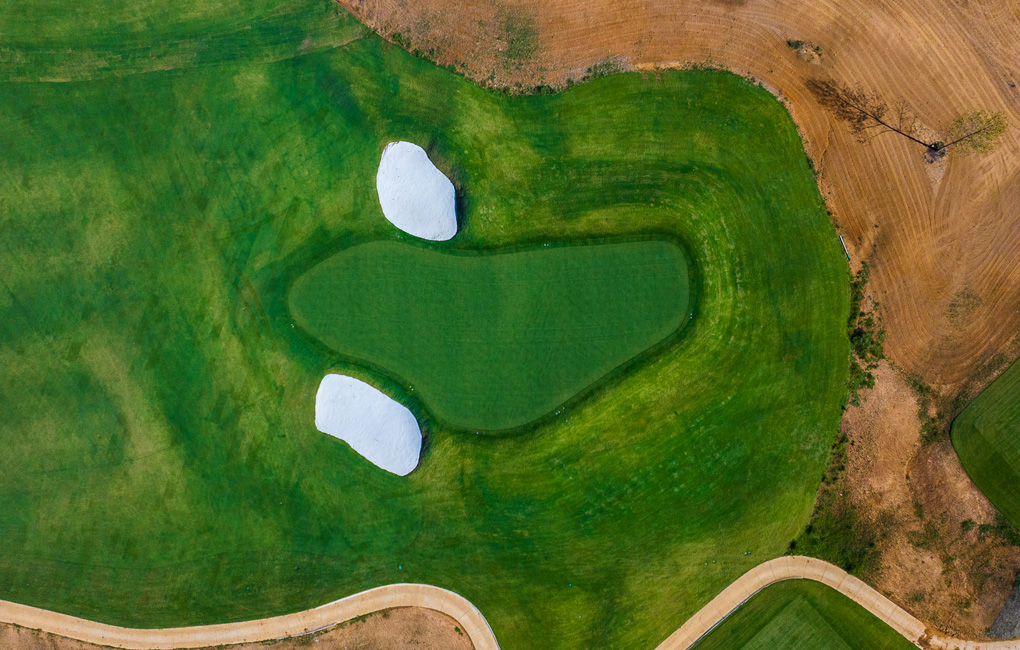
The shortest hole on the property, the fourth tempts the player with a sense of empowerment from the tee. That confidence, however, must be earned. Any miss whether short, long, or slightly offline can quickly turn costly. A very deep bunker guards the front and right side of the green, while a pronounced drop-off in fairway surrounds the remaining edges, ensuring there is no truly safe miss.
The green itself is restrained and readable, but not without consequence. Subtle contouring gives way to a hint of a swale along the back right, a detail that becomes critical when the hole is cut near the rear. Set at a slight right-to-left angle, the green demands precise distance control and disciplined spin, reinforcing the idea that even Firefly’s shortest hole requires balance of aggression and discipline.

565 YARDS
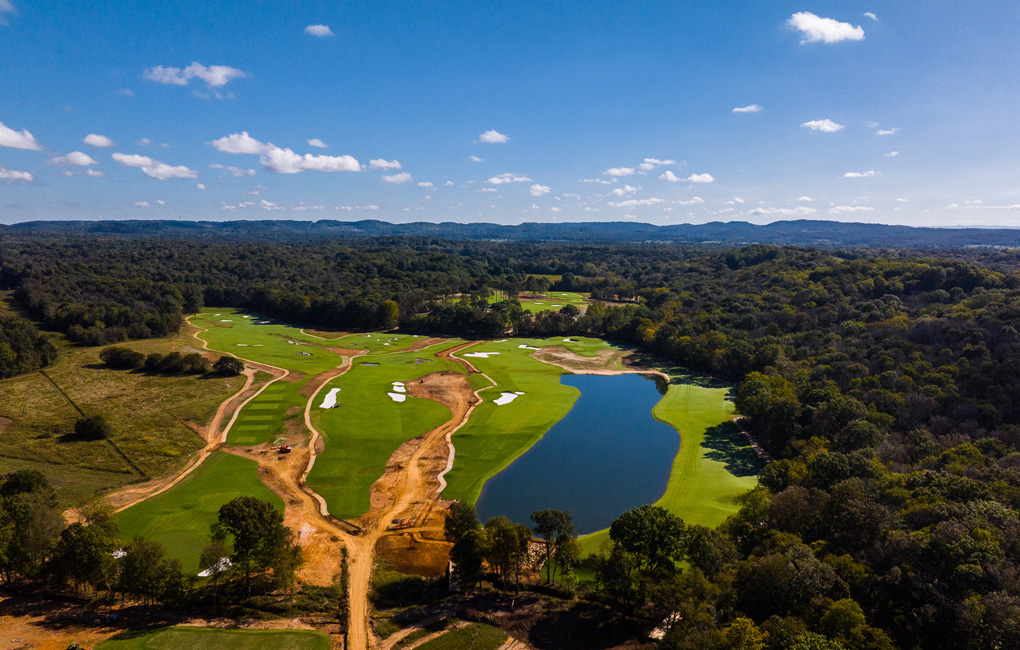
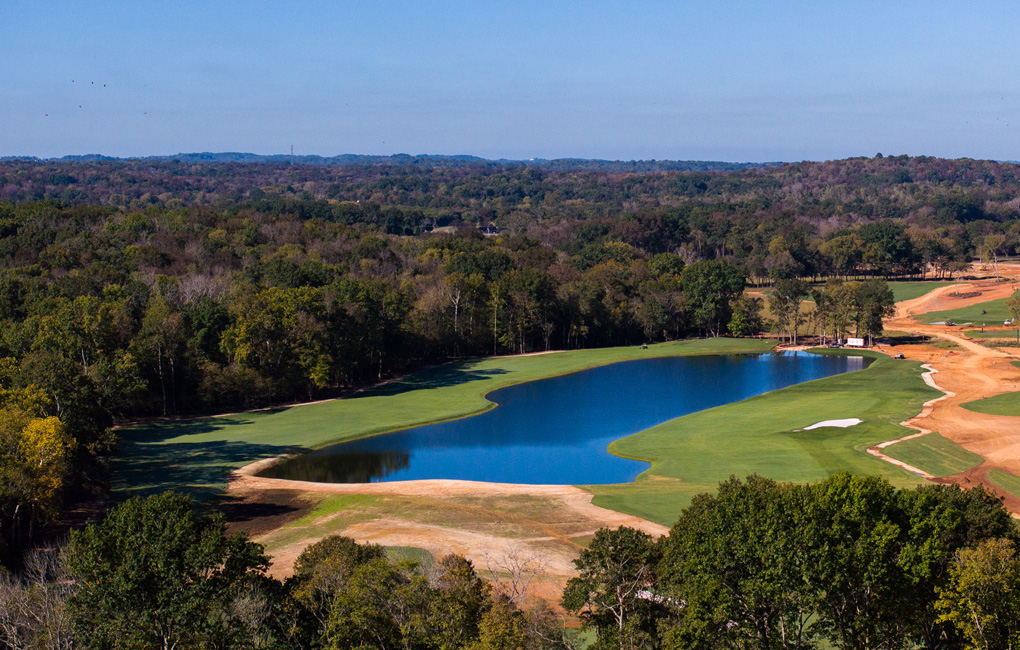
The second par five on the front side and the most gettable of the group, the fifth offers opportunity without ever relaxing its grip. Water stretches unbroken along the entire right side, from tee to green, shaping every decision and serving as the hole’s primary defense. In contrast, the left side offers generous space off the tee, inviting an aggressive line that feels safe but carries consequences later.
That wider left option forces the second shot to be played more directly toward the water, while a bold drive closer to the lake opens a cleaner look. The second landing zone is defined by a natural scour that gathers balls into a lower position, partially obscuring the green and demanding trust in both distance and line. Notably, there are no bunkers in play until the approach, where a single small bunker guards the front-left corner of the green.
The green itself slopes firmly back toward the player, designed to receive long shots and reward a committed second. Caution remains essential, however, as anything pushed beyond the putting surface is met with a severe fall-off. It’s a hole that encourages ambition, but only for those willing to accept the water’s constant presence.

445 YARDS
A longer par four played without a single bunker, the sixth relies entirely on landform and angle to define its challenge. From the tee, the fairway falls gently right to left while the hole itself bends left to right, creating a visual tension that tests a player’s commitment and alignment. The shortest route to the green threads across a series of broken bumps, making the aggressive line feel unsettled and slightly perilous.
Near the green, the ground continues to do the work. A fairway swale guards the right side of the approach, while the left is held by the edge of the pond, a presence that can be difficult to fully comprehend depending on the drive’s position. The green features a subtle hog’s back along the right side and a gentle flip at the rear, creating several engaging hole locations that reward precise control. Shots played too boldly are punished, as anything long is gathered into a deep fairway trough beyond the green. It is a hole that proves Firefly does not need bunkers to ask thoughtful questions, only honest ground.

235 YARDS
The final par three on the front nine and its longest, the seventh plays to a green set on a subtle rise. The tee shot carries over water that is less a true hazard than a visual one, deliberately distorting scale and making distance judgment the primary challenge.
The approach is defined by movement rather than force. The ground short of the green allows the ball to be played in along the turf, with a natural twist from left to right guiding properly shaped shots toward the target. A high point at the back of the green brings long shots back toward the center, encouraging confidence with the longer club. A guarding bunker helps define the green’s shape, while a bunker left provides vertical emphasis and reinforces the elevated setting.
Short grass long and right offers a measure of grace, but a miss played short-sided from that area remains demanding. It is a par three that rewards imagination and touch beyond the length from the tee.

585 YARDS
The final par five on the front nine is built on the premise that two great shots might get you home, but sound positioning for a short third is often the wiser play. From the tee, the player must thread the drive between a pond on the right and a defined channel running along the left. That channel holds the entire left side of the fairway and ultimately crosses in front of the green. While it is rarely full of water, it must always be negotiated.
The fairway turns left as it moves downrange, making the shortest line one that hugs the channel. Those choosing a more conservative strategy are challenged later, as a large crossing bunker demands a thoughtful and precise layup. The channel crosses roughly 25 to 30 yards short of the green, creating additional space for a bold second while still influencing the angle and trajectory into the putting surface.
The green itself is broken into a series of varied levels and dimensions, rewarding an approach played from the correct position. Bunkers along the left side and front right complete the defense, reinforcing the value of both ambition and restraint.

400 YARDS
The shortest par four on the front nine plays significantly uphill, turning modest length into a demanding closing test. Two massive white oaks guard the left side of the hole, their scale and presence immediately shaping the tee shot and reinforcing the preferred line just left of center. That drive must also avoid trouble down the right, where a naturalized low area quietly collects anything pushed too far.
Understanding the day’s hole location before you begin your round is the thoughtful strategic note. Easily seen from the golf shop and surrounding practice area, be sure you take a mental picture. The more aggressive the pin, the more carefully the uphill approach must be judged. The putting surface itself is restrained in its contouring, making the center of the green a consistently sound target.
Short grass surrounds much of the green, encouraging creativity and a variety of recovery shots, while a single bunker at the front feeds balls inward and adds another layer of thought to the arrival.
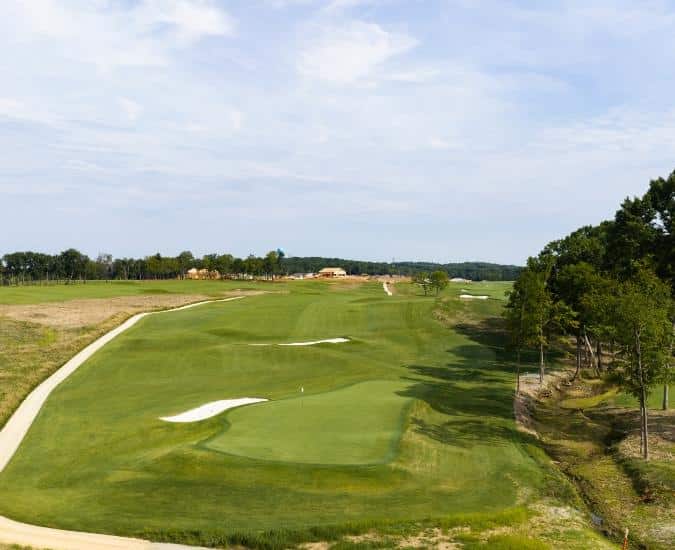
520 YARDS
The back nine opens with a gettable downhill par five that immediately encourages forward momentum. The tee shot plays with elevation to a subtle saddle in the fairway. A bunker on the right can be carried just over its left edge, where a successful drive is rewarded with a forward kick. Tee shots pushed too far left, however, find a bunker cut into the hillside and quickly stall progress.
The second shot continues downhill and is partially obscured by a centerline bunker. Carrying this bunker opens the approach and allows the ball to release further toward the green, while laying back leaves a longer and less certain third. The green is narrow and set on a slight left to right angle, making the best approach one played from the left side of the fairway or one that works left to the right in the air.
A bunker guards the middle and back right portion of the green, while knotted ground, irregular bumps, and a channel along the left punish any approach that strays offline. It is an inviting opening to the back nine, but one that still rewards precision and clear intent.

435 YARDS
A modest-length par four, the eleventh plays uphill from the tee to a commanding view of both the course and the target beyond. The drive is framed tightly, with a narrow trench bunker holding the left side of the fairway and a series of stacked bunkers on the right showcasing the rise and emphasizing the elevation change.
From there, the hole turns downhill. The approach can be played cleanly into the green or shaped to use a gentle kick off the short left bunker, depending on intent and hole location. The back portion of the putting surface begins to wane toward the rear and sides, placing a premium on distance control. Anything played long is gathered into a significant short-grass drop-off, leaving a demanding recovery and reinforcing the value of the balance of aggression versus restraint.

465 YARDS
A longer par four, the twelfth marks the beginning of a journey through some of Firefly’s most inspired topography. The tee shot is played uphill through a chute in the trees, immediately focusing the eye and narrowing the corridor. A cluster of bunkers dominates the left side of the landing area, while a single bunker on the right keeps the player honest and reinforces the preferred line.
The approach plays slightly downhill and demands careful judgment. The green is narrow at the front and back but widens through the middle, giving hole locations real influence over strategy and club selection. Shots missed short are gathered into a rambling fairway hollow below the putting surface, while misses to the right are met by rough. A bunker guarding the front right and another along the middle left further sharpen the decision making on the approach.

205 YARDS
A medium-to-long par three, the thirteenth plays gently uphill and asks for a committed strike. A significant bunker guards the front left of the green, while a series of bunkers along the right collects anything pushed or over-shaped in that direction. The foreground of the hole features a modest climb through rugged swales, adding texture and subtly influencing both depth perception and trajectory.
The green is wider at the front than the back, encouraging a running shot that can use the very front edge to bounce onto the surface. Once there, the putting surface offers enough internal hold to reward well-judged distance. The front-left portion of the green sits slightly higher than the right, a detail that can influence shot shape and approach angle, particularly when the hole is cut near that edge.

610 YARDS
The fourteenth is among the most talked-about holes at Firefly and marks a clear transition into the journey home. It is most often a true three-shot par five, though the longest players can give themselves a chance with two well-executed swings. The hole asks for commitment early and rewards those who understand how the land wants to be used.
The tee shot climbs uphill to a commanding view across the property. Bunkers first encountered on the twelfth now define the left side of the fairway, while the ground subtly pushes right to left, influencing both line and outcome. As the player crests the rise, the character of the site reveals itself through rugged ground forms and exposed rock that give Firefly its identity.
The second shot carries over a creek to a landing area full of texture and choice. A secondary floodplain lifts into a plateau that provides both strategic interest and a brief reprieve from the surrounding bunkers. The green is set at an angle and shaped with enough contour to make each day’s approach dependent on hole location, ensuring the hole plays differently with every setup.

350 YARDS
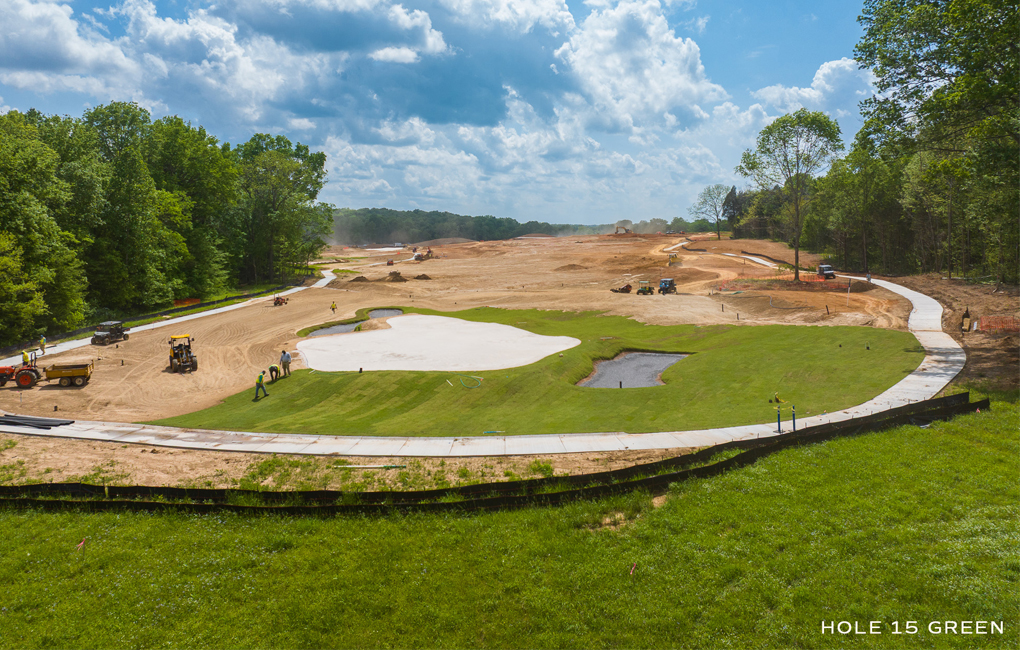
The shortest par four on the course, the fifteenth tempts players with the possibility of driving the green under the right conditions. A more conservative play lays back short of the trouble and leaves a straightforward short iron from generally flat ground, though that option still requires avoiding two well-placed bunkers that define the landing area.
The aggressive line works the ball forward toward the green, using the natural slope from the left to gain a helpful bounce through a broken swale and potentially reach the putting surface. A pronounced bump in the fairway serves as the primary defense at the front, disrupting anything played without full commitment, while a modest bunker to the right further complicates the approach.
The green itself is defined by a subtle spine running left to right, making both distance and spin control essential. A back-left bunker sharply penalizes a bold miss, while short grass spilling off the back right keeps recovery possible, but never simple.

425 YARDS
A demanding uphill par four, the sixteenth places equal emphasis on distance control and precise alignment. From the tee, bunkers are stair-stepped up the sides of the fairway, visually compressing the corridor and making commitment essential. The ground naturally wants to push shots left, so a thoughtful amount of borrow to the right is required to hold position and set up the best angle into the green.
The approach rewards players who understand how to use the land. Shots played short and along the right side can be worked along the ground and allowed to roll onto the putting surface, while approaches flown directly must account for the elevation and firmness. The green itself carries a subtle saddle-like character, with interior movement that makes hole location a powerful influence. Rear pins demand an aggressive, well-judged strike if the ball is to be finished close.
Anything even marginally long and right is gathered into a fairway catch area, turning a small miscalculation into a delicate recovery. From the green, the player is rewarded with one of the most expansive and awe-inspiring views on the property, a moment of perspective before the final stretch home.
275 YARDS
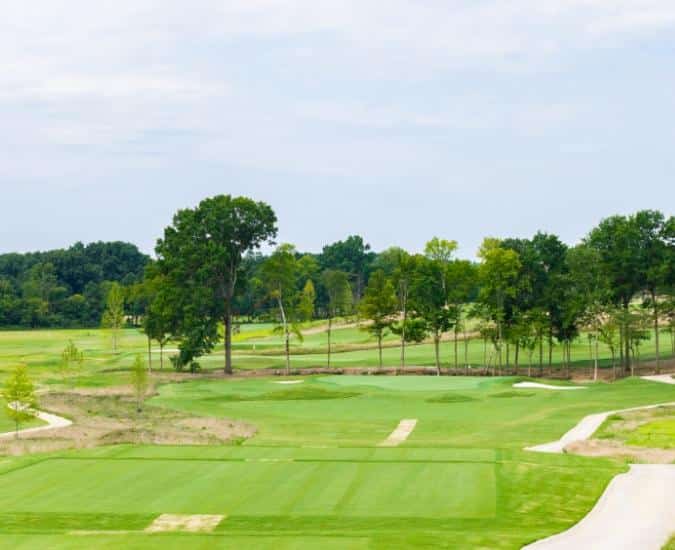
The longest par three on the course, the seventeenth plays dramatically downhill and places a premium on judgment rather than sheer power. From the tee, the ground short of the green becomes an active part of the strategy. A series of natural bumps in and along the fairway are designed to gather and redirect the ball, allowing properly shaped shots to move along the ground and feed organically toward the putting surface.
The green leans gently back toward the player, encouraging a confident strike, but its internal character demands attention. A subtle divide through the surface creates distinct right and left halves, giving each hole location its own personality and influencing both target and trajectory. Shots finishing on the correct side are rewarded with realistic birdie chances, while those that miss their intended section face more demanding putts.
Misses a bit long left or right are punished by sand, reinforcing the importance of distance control on such a visually deceptive downhill shot. Anything played too boldly over the back may find a fairway lie at first, but shots pushed further risk finding the creek beyond, turning ambition into a costly mistake late in the round.

415 YARDS
The home hole is a medium-length par four that climbs uphill and bends gently to the left, demanding one final measured decision from the tee. A well-placed drive carried over the bunker on the inside of the dogleg rewards commitment and leaves a shorter club in hand, offering the clearest path into the green. The line is tempting, but pushing too boldly can find a small bunker cut into the hillside, a final reminder that restraint still has value.
The approach plays to a green perched on a natural knoll, reinforcing both the physical and visual connection to the clubhouse. From this elevated position, the player is afforded a sweeping view back across the beginning of the round, a sense of closure that mirrors the balance required throughout the course.
Sand borders the green on three sides, shaping the target and tightening the approach, while a band of fairway provides a workable recovery when needed. The putting surface itself asks for a confident strike without being overly severe, allowing the hole to serve as a thoughtful finish rather than a blunt test. It is a concluding par four that celebrates position, perspective, and balance.


Get more in-depth
From our blog

The Enderle Story

New Private Club Opens Golf Courses Near Nashville
Take the next step
Make firefly home
Sign up to learn about our lifestyle and discover all Firefly has to offer. Please express your interest below so we can be in touch and send you additional materials to review.

Follow us!
Life is better when we share it with our family, friends, and neighbors.
@FIREFLYTENN